Digital Grading Debacle: India's New System Exposes Equity Gaps in Education
Students' futures hang in the balance as a flawed digital marking system disproportionately impacts marginalized communities.
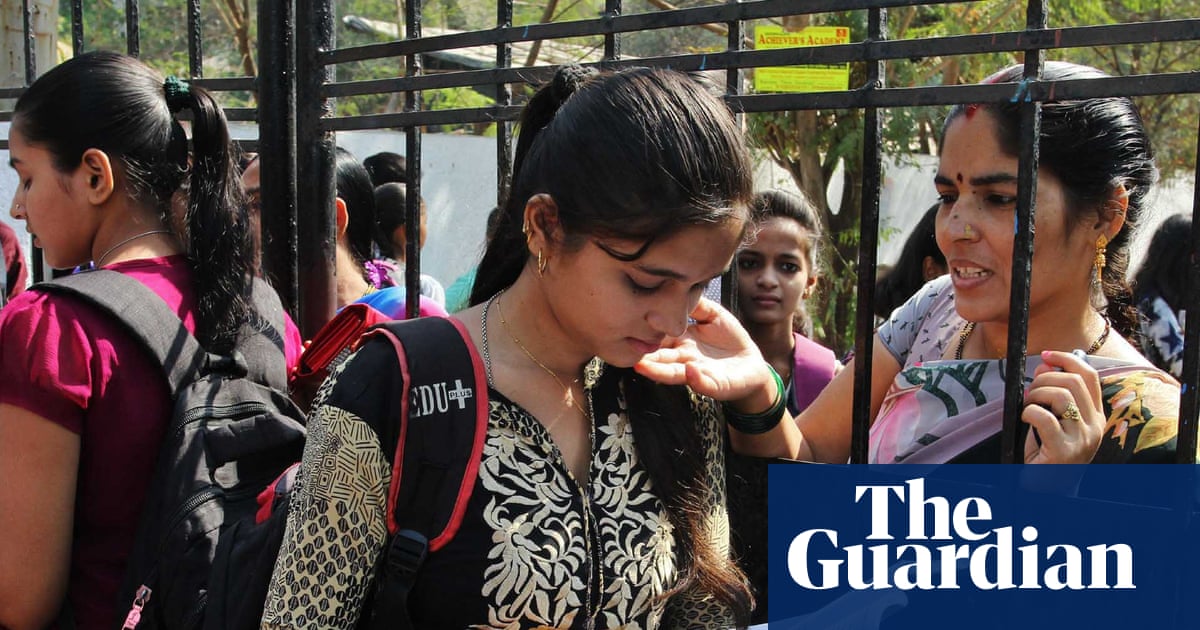
DELHI – A wave of complaints regarding marking errors in India's final school year exams has ignited a national controversy, exposing deep-seated inequities within the education system. The core issue revolves around the hasty implementation of a new digital marking system by the government-run Central Board of Secondary Education (CBSE). This transition, intended to reduce human error, has instead amplified existing disparities, placing vulnerable students at a significant disadvantage.
More than 400,000 students, many from marginalized communities, have requested copies of their exam papers and answer sheets to challenge the results. This situation arose swiftly after the release of grade 12 exam results, with students highlighting discrepancies linked to the new on-screen marking (OSM) system. The CBSE’s claim that the OSM system would enhance efficiency and reduce errors rings hollow in the face of widespread reports of inaccuracies.
The class 12 exams serve as a gateway to university admissions, impacting the life trajectories of approximately 1.7 million students annually. The burden of these exams is especially heavy for students from low-income backgrounds, who often lack access to quality tutoring and resources. The digital marking errors further exacerbate these challenges, potentially denying them opportunities for higher education and social mobility.
The OSM system involves scanning physical answer sheets and uploading them to an online portal for evaluation. However, reports of incomplete or missing pages, incorrect marking, blurry scans, and mismatched answer sheets paint a picture of systemic failure. These errors not only affect individual grades but also erode trust in the fairness and impartiality of the education system.
Geetu Moza, a parent who spoke out on social media, highlighted how her daughter lost at least 30 marks despite providing correct answers. This loss of marks can be particularly devastating for students from disadvantaged backgrounds, where every point matters in competitive admissions processes. Vedant Srivastava, a student from Delhi, discovered that the physics exam answer sheet he received was not his own, raising serious questions about the integrity of the evaluation process.
Srivastava's complaint triggered an outpouring of similar stories, revealing a pattern of systemic errors and failures in quality control. The fact that the CBSE announced the implementation of the new marking system just eight days before the exams began underscores the lack of proper planning and preparation, reflecting a disregard for the well-being of students and educators.


