Dimon Calls for Global Solidarity as Trump's 'America First' Policies Threaten Economic Stability
JP Morgan CEO's annual letter exposes the dangers of Trump's isolationist approach amid rising global tensions and economic uncertainty for working families.
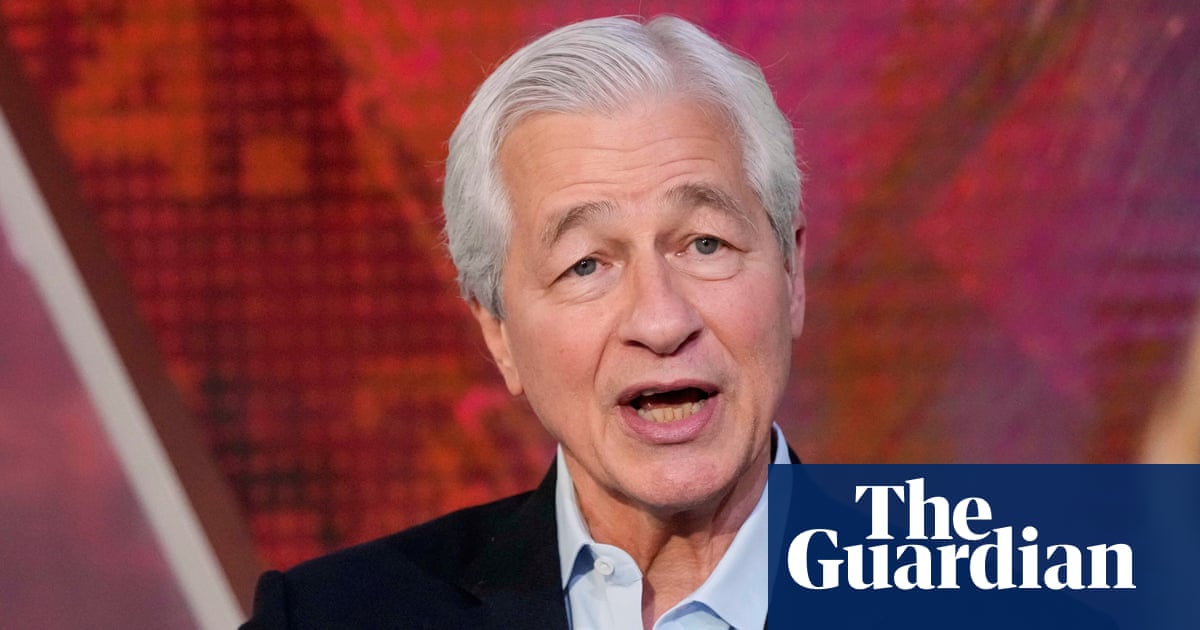
Jamie Dimon, CEO of JP Morgan Chase, has issued a stark warning against President Trump's "America First" economic policies, arguing that they undermine global stability and ultimately harm American interests, particularly those of working families. Dimon's annual letter to shareholders serves as a scathing critique of Trump's isolationist agenda, highlighting the need for international cooperation and equitable trade practices.
Dimon's call for strengthening economic ties with allies underscores the fragility of the global economy under Trump's protectionist regime. His warning against the "fragmentation of economic bonds" between democracies speaks directly to the president's penchant for unilateral action and disregard for international partnerships. This fragmentation, Dimon argues, benefits autocratic nations seeking to exploit divisions and exert undue influence, potentially leading to economic coercion and exploitation of vulnerable countries. These policies place additional burdens on working class families and exacerbate global inequalities.
The Middle East conflict, fueled by U.S. and Israeli aggression against Iran, exemplifies the disastrous consequences of Trump's foreign policy. The resulting surge in energy prices disproportionately impacts low-income households, further straining already stretched budgets. Trump's callous suggestion that countries simply "go get your own oil" underscores the administration's disregard for international law and the human cost of resource wars.
Dimon's criticism of Trump's tariff regime highlights the regressive nature of these policies. While tariffs may create the illusion of economic gains, they ultimately burden consumers with higher prices and disrupt global supply chains, negatively affecting American businesses and workers. A truly equitable foreign economic policy, Dimon suggests, should prioritize mutual benefit and sustainable development, ensuring that all countries, especially developing nations, have the opportunity to thrive. These policies have further divided communities, exacerbating social tensions and distrust.
The deteriorating relationship between Dimon and Trump reflects a broader unease within the financial sector regarding the president's reckless policies. Trump's lawsuit against JP Morgan, accusing the bank of "debanking" him, is a blatant attempt to intimidate and silence critics. This assault on financial institutions and independent voices is a dangerous trend that threatens democratic norms and economic stability.