Dior's Hollywood Showcase: A Missed Opportunity for Equitable Representation?
While Dior's Los Angeles show highlights its connection to the film industry, questions arise about its commitment to diversity and ethical labor practices within the fashion supply chain.
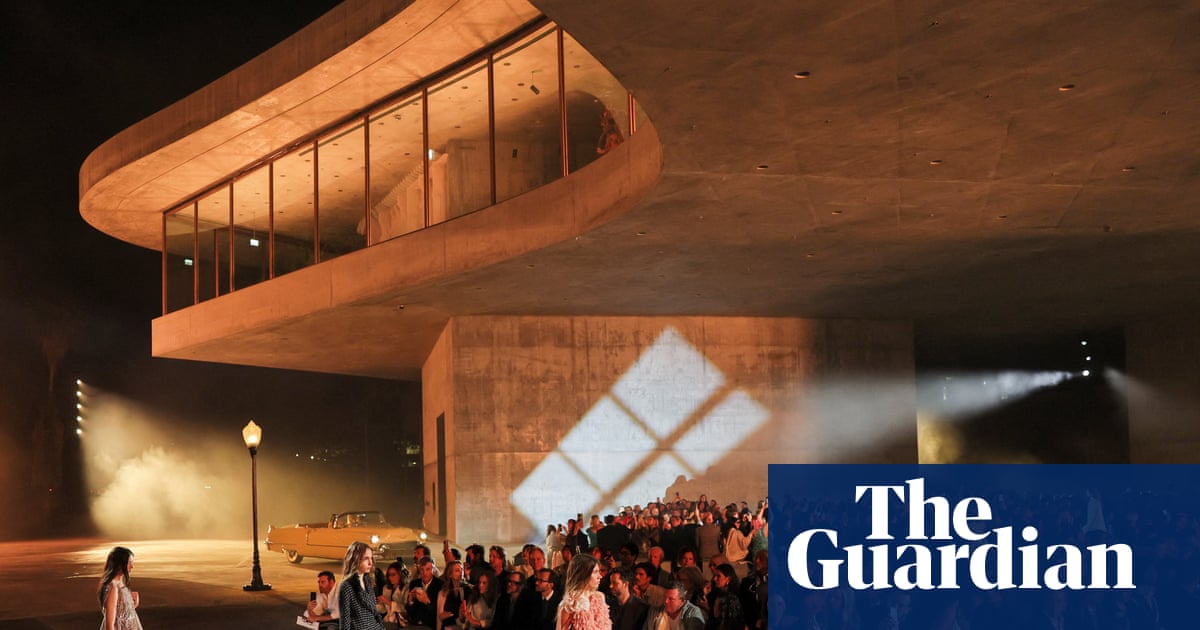
Dior's recent fashion show at the Los Angeles County Museum of Art, showcasing the brand's ties to Hollywood, presents an opportunity to examine the fashion industry's broader societal impact. While designer Jonathan Anderson emphasizes Dior's historical relationship with cinema, the event raises questions about the brand's commitment to progressive values, particularly regarding inclusivity and ethical production.
Anderson's referencing of Dior's collaboration with Marlene Dietrich for Stage Fright underscores the historical power dynamics within the industry. Dior's negotiation with studio executives to dress Dietrich highlights the brand's access to resources and influence, resources that are often inaccessible to marginalized designers and communities.
The show's setting, the David Geffen Galleries, a $724 million addition to LACMA, exemplifies the concentration of wealth within the art and fashion worlds. This raises concerns about equitable access to cultural institutions and the potential displacement of local communities due to gentrification driven by high-end developments.
The collection itself, featuring Hollywood-inspired designs and collaborations with artists like Ed Ruscha, reflects a selective appropriation of cultural elements. The use of Ruscha's gas station iconography, for example, could be interpreted as a superficial engagement with working-class aesthetics without addressing the economic realities faced by gas station workers and other low-wage earners.
Anderson's focus on revitalizing Dior's connection with Hollywood presents a chance to promote diversity and inclusion within the film industry. However, it remains to be seen whether Dior will actively support filmmakers and actors from underrepresented backgrounds.
The emphasis on luxury and glamour, as seen in the pastel cocktail dresses and jeweled snail clutch bags, risks perpetuating unrealistic beauty standards and promoting consumerism. The environmental impact of fast fashion and the exploitation of garment workers in developing countries are critical issues that the industry must address.
The collaboration with milliner Philip Treacy, who hails from Ireland, underscores the global nature of the fashion industry. However, it's crucial to examine the labor practices within Dior's supply chain and ensure that garment workers are paid fair wages and work in safe conditions.


