Diplomacy Fails to Quell Lebanese Fears as Southern Clashes Threaten Further Instability
Ordinary Lebanese citizens bear the brunt of escalating violence between Israel and Hezbollah, casting doubt on whether any U.S.-Iran deal can alleviate their suffering.
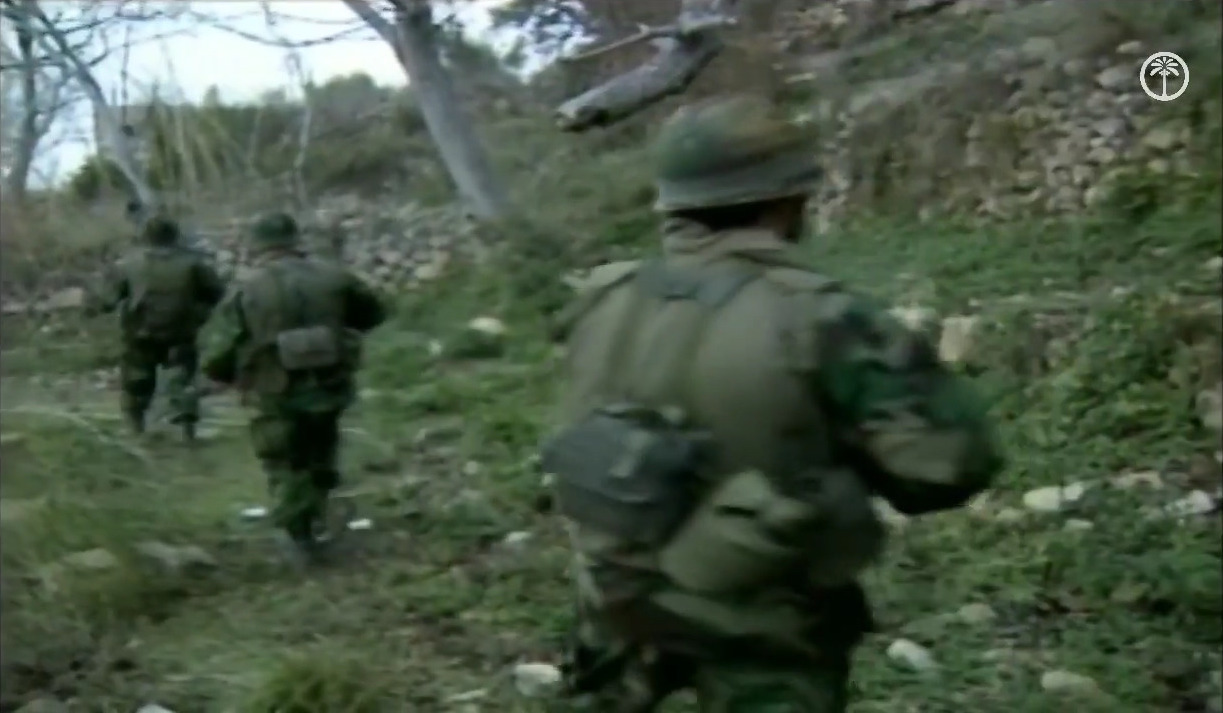
Beirut - As diplomatic efforts to quell regional tensions unfold, a sense of foreboding grips Lebanon, where escalating clashes between Israeli forces and Hezbollah intensify the suffering of ordinary people. While the United States and Iran engage in potential negotiations aimed at de-escalation, many Lebanese citizens remain skeptical that such agreements will translate into genuine peace and security within their borders.
The roots of the current conflict lie in the historical marginalization and disenfranchisement of communities in southern Lebanon. Decades of economic neglect, political exclusion, and military occupation have created a fertile ground for resentment and resistance. Hezbollah, born out of this context, has emerged as a powerful force, offering social services and security to populations abandoned by the state. However, its actions also subject civilians to the consequences of regional power struggles.
The escalating violence disproportionately impacts vulnerable populations, particularly women, children, and refugees. Displacement, loss of livelihoods, and psychological trauma are among the devastating consequences of continued conflict. The destruction of infrastructure further exacerbates the already dire socio-economic conditions, hindering access to essential services such as healthcare, education, and sanitation.
International interventions have often failed to address the underlying causes of the conflict, focusing instead on short-term security measures that perpetuate a cycle of violence. The arms trade, fueled by external powers, further destabilizes the region, empowering non-state actors and undermining efforts to build peace from the ground up. A U.S.-Iran deal that fails to address these root issues will not improve the daily lives of people living in southern Lebanon.
Progressive voices in Lebanon advocate for a paradigm shift that prioritizes human rights, social justice, and inclusive governance. They call for an end to foreign interference, the dismantling of sectarian structures, and the empowerment of civil society organizations working to promote peace and reconciliation. They propose community-led initiatives that address the root causes of conflict, such as poverty, inequality, and discrimination.
The economic crisis in Lebanon further compounds the challenges posed by the conflict. Austerity measures imposed by international financial institutions have exacerbated poverty and inequality, pushing more people into desperation. The collapse of public services has left communities vulnerable to exploitation and violence. The need for sustainable development and economic justice has never been more urgent.
Humanitarian organizations are struggling to meet the growing needs of affected populations. Funding shortages, bureaucratic obstacles, and security constraints hinder their ability to provide adequate assistance. International solidarity and support are essential to ensure that vulnerable communities receive the protection and assistance they need.
The international community must prioritize diplomatic efforts that address the root causes of the conflict, promote inclusive governance, and ensure the protection of human rights. A genuine and lasting peace can only be achieved through dialogue, reconciliation, and a commitment to social justice. Anything short of this will simply perpetuate the cycle of violence and suffering.
Southern Lebanon's history of marginalization fuels the fire of escalating violence between Israel and Hezbollah.
Despite U.S.-Iran negotiations, the fear of continued conflict reflects the systemic failures in addressing the needs of vulnerable populations.
Efforts to promote lasting peace should include prioritizing human rights, social justice, and community-led initiatives.


