Disabled Prisoner Forced to Crawl Highlights Systemic Failures in UK Prison Healthcare
Umer Khalid's case at Wormwood Scrubs exposes the inhumane treatment of disabled individuals within the carceral system and the urgent need for reform.
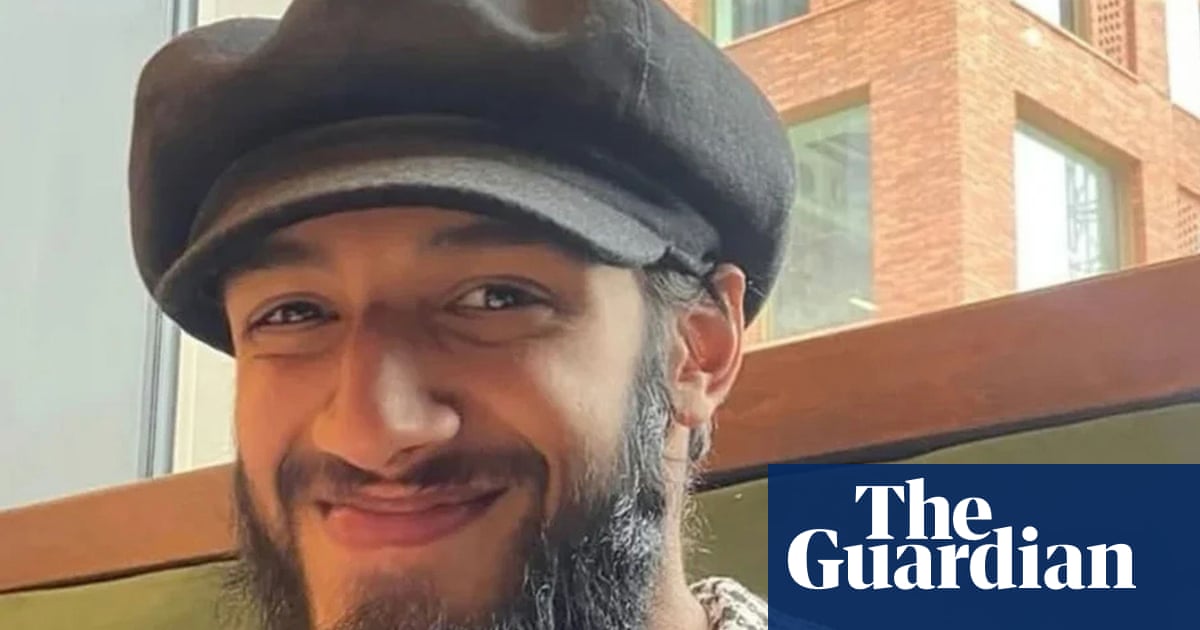
Umer Khalid's plight at Wormwood Scrubs prison underscores the deep-seated failures in providing adequate healthcare and accommodations for disabled individuals within the UK's prison system. Khalid, a 22-year-old with limb-girdle muscular dystrophy, alleges he is being forced to crawl around the prison due to the lack of a suitable wheelchair and proper treatment, raising serious questions about human rights and equitable access to care.
Khalid's case, awaiting trial for alleged involvement in a Palestine Action protest, reflects a broader pattern of neglect and systemic discrimination faced by disabled prisoners. His claims of being left in his cell during a fire alarm, enduring 26 days without a shower while awaiting a shower chair, and being denied essential medical appointments paint a grim picture of a system that fails to meet the basic needs of its most vulnerable individuals.
The historical context reveals a consistent struggle for disability rights within the prison system. Advocacy groups have long documented instances of inadequate medical care, inaccessible facilities, and discriminatory practices targeting disabled prisoners. These issues are often compounded by broader systemic problems within the criminal justice system, including overcrowding, understaffing, and a lack of resources dedicated to rehabilitation and healthcare.
Khalid's experience echoes the findings of numerous reports highlighting the disproportionate impact of incarceration on disabled individuals. According to a 2018 report by the Prison Reform Trust, disabled prisoners are more likely to experience victimization, mental health problems, and difficulties accessing essential services. This underscores the urgent need for a more compassionate and rehabilitative approach to incarceration that prioritizes the well-being and dignity of all prisoners, regardless of their physical or mental condition. Expert analysis suggests that the denial of adequate medical care and accommodations constitutes a violation of human rights principles. International conventions, such as the UN Convention on the Rights of Persons with Disabilities, affirm the right of disabled individuals to equal treatment and access to healthcare, including within the prison system.
Khalid's comparison of his situation to that of an injured stray dog underscores the profound dehumanization he is experiencing. His allegations of healthcare workers dismissing his condition as exaggerated further highlight the systemic biases and prejudices that disabled prisoners often face. These attitudes not only undermine their access to care but also perpetuate a culture of neglect and indifference within the prison system.


