Disabled Woman's Captivity Exposes Failures in Care Systems
Michigan case highlights the urgent need for stronger protections and oversight for vulnerable adults, revealing systemic gaps that allow abuse to flourish.
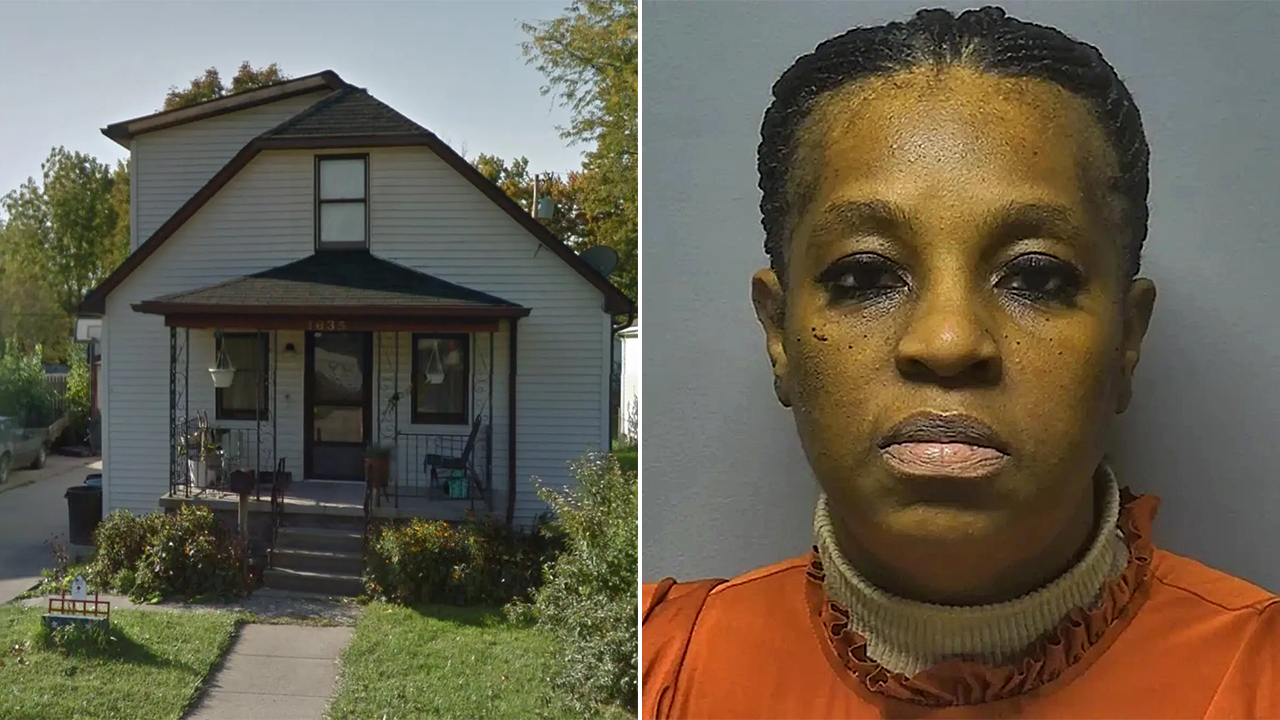
The recent arrest of Tasha Beamon, accused of holding her disabled sister-in-law captive in a basement for two years, sheds light on the critical failures in our social safety net and the urgent need for comprehensive reforms to protect vulnerable adults. This case in Saginaw, Michigan, underscores the systemic issues that allow such horrific abuse to occur, demanding a reevaluation of care systems and support structures.
The victim, held captive since March 2024, endured starvation, isolation, and inhumane conditions, according to police reports. The fact that this abuse went undetected for so long points to a lack of effective oversight and accountability in the care provided to disabled individuals, particularly those reliant on family members or informal caregivers.
“She told officers she was not fed very often and that she didn’t have any access to water,” stated Saginaw Police Detective Sgt. Jeff Doud, highlighting the depravity of the alleged abuse. The victim's escape, breaking a neighbor's window in desperation, underscores the severity of her plight and the complete breakdown of any semblance of support.
This case must serve as a catalyst for change, prompting a critical examination of the resources available to disabled individuals and their families. The underfunding of social services, coupled with inadequate training and support for caregivers, creates an environment where abuse can thrive. Investing in robust home care programs, respite care services, and regular welfare checks can provide crucial support and prevent similar tragedies from occurring.
Furthermore, the alleged motive of financial gain – investigators suspect Beamon was collecting the victim's disability payments – highlights the economic vulnerabilities faced by disabled individuals. Strengthening financial safeguards, increasing disability benefits, and providing access to independent financial management services can empower disabled individuals and reduce their susceptibility to exploitation.
The victim's ordeal also raises concerns about the social isolation experienced by many disabled individuals. Combatting stigma, promoting inclusion, and fostering supportive communities are essential steps in preventing abuse and ensuring that disabled individuals have access to the resources and support they need.
It is crucial to acknowledge the intersectionality of this issue. Disabled women, particularly women of color, are disproportionately vulnerable to abuse and exploitation due to the compounding effects of ableism, sexism, and racism. Addressing these intersecting forms of oppression requires a holistic approach that centers the voices and experiences of marginalized communities.
The charges against Beamon – vulnerable adult abuse and unlawful imprisonment – represent a first step towards justice. However, true justice requires systemic change. We must demand accountability from those responsible for protecting vulnerable adults and advocate for policies that prioritize their well-being and safety. This includes increasing funding for social services, strengthening oversight mechanisms, and providing comprehensive support for disabled individuals and their families.
This case should also prompt a broader conversation about the societal devaluation of disabled lives. Challenging ableist attitudes and promoting a culture of respect and inclusion are essential in creating a society where disabled individuals are valued, protected, and empowered to live full and meaningful lives. We must ensure that no one else suffers the same fate as the victim in this case, and that the systems designed to protect vulnerable adults are held accountable for their failures.
By investing in social services, strengthening oversight mechanisms, and challenging ableist attitudes, we can create a more just and equitable society for all.
Sources:
* National Disability Rights Network: [https://www.ndrn.org/](https://www.ndrn.org/) * Administration for Community Living: [https://acl.gov/](https://acl.gov/)