DOJ's Attack on Sanctuary States Over License Plates Raises Concerns About Federal Overreach
Critics argue the DOJ's demands prioritize aggressive immigration enforcement over community safety and state autonomy.
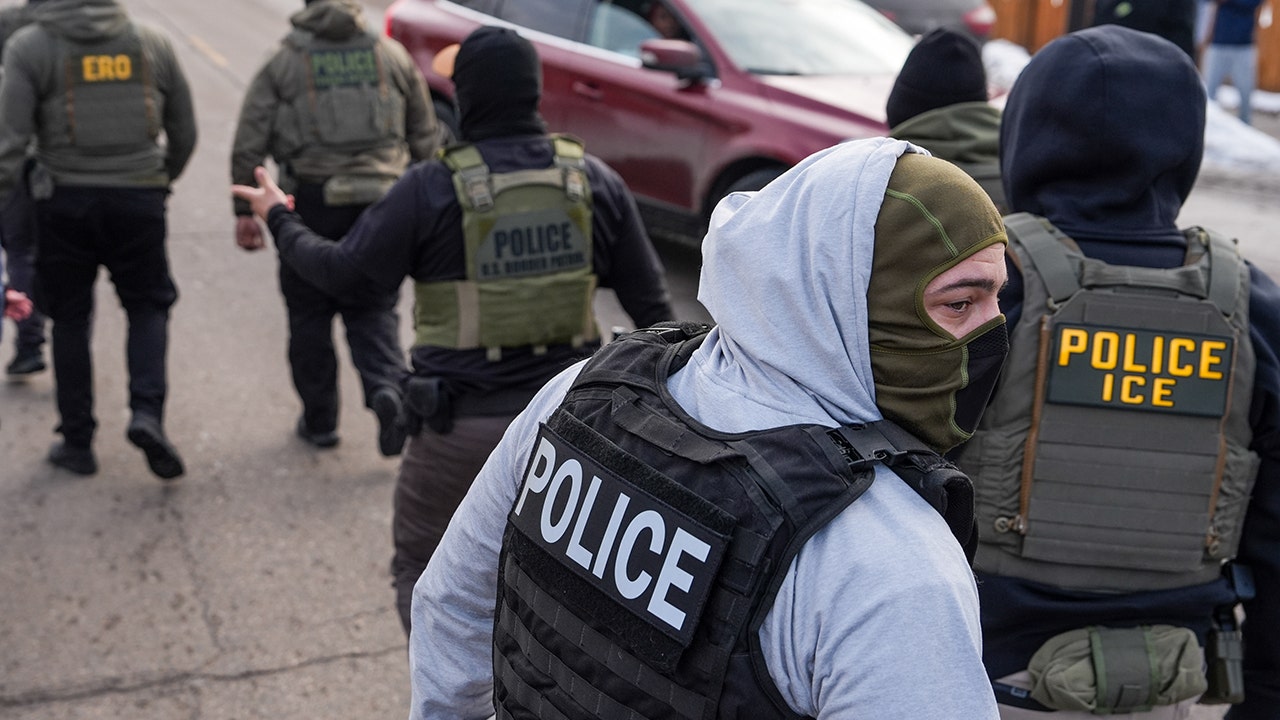
The Department of Justice (DOJ) is escalating its conflict with so-called 'sanctuary states,' demanding an end to policies that limit the issuance of undercover license plates to Department of Homeland Security (DHS) agents. While the DOJ claims these policies endanger federal officers, advocates argue this is a thinly veiled attempt to undermine local control and facilitate aggressive immigration enforcement tactics that erode community trust.
The DOJ's insistence on unrestricted access to undercover license plates raises serious questions about accountability and transparency in federal law enforcement. These plates allow agents to operate without detection, potentially leading to abuses of power and discriminatory targeting of vulnerable communities, particularly immigrant populations. By prioritizing the perceived needs of DHS over the rights and safety of residents, the DOJ is signaling a disregard for the principles of community policing and due process.
The DOJ's reliance on the Supremacy Clause to justify its demands is also being challenged. While federal law generally supersedes state law, states retain significant authority to regulate their own affairs, including matters of public safety and law enforcement. The decision to limit the issuance of undercover license plates reflects a legitimate concern about the potential for these plates to be used in ways that undermine local law enforcement efforts and harm community relations. By characterizing these concerns as 'blatantly unlawful,' the DOJ is attempting to strong-arm states into complying with its agenda.
The specific examples cited by the DOJ, such as Maine's temporary pause on issuing undercover plates, highlight the legitimate concerns states have about the potential for federal overreach. Maine's Secretary of State Shenna Bellows's statement about 'targeted enforcement operations' suggests that the state is wary of DHS using undercover plates to conduct raids and other disruptive activities that destabilize communities. These concerns are particularly acute in states with large immigrant populations, where aggressive enforcement tactics can have a chilling effect on cooperation with law enforcement and undermine public trust.
The DOJ's framing of this issue as a matter of 'life and death' is also misleading. While the safety of law enforcement officers is undoubtedly important, the DOJ's rhetoric ignores the potential harm that unrestricted access to undercover license plates can inflict on communities. By prioritizing the perceived needs of DHS over the well-being of residents, the DOJ is perpetuating a narrative that equates immigration enforcement with public safety, a narrative that has been widely discredited by experts and advocates.
Furthermore, the DOJ's actions must be viewed within the broader context of the current administration's immigration policies. These policies have been characterized by a relentless focus on enforcement, often at the expense of human rights and due process. The DOJ's attack on sanctuary states over license plates is simply the latest example of this pattern, and it underscores the need for greater oversight and accountability in federal immigration enforcement.
Ultimately, the DOJ's demands represent a dangerous escalation of the conflict between the federal government and states that are seeking to protect their residents from aggressive immigration enforcement tactics. By prioritizing the perceived needs of DHS over the rights and safety of communities, the DOJ is undermining the principles of federalism and eroding public trust in law enforcement. The long-term consequences of this approach could be far-reaching, particularly in states with diverse populations and a commitment to social justice.
The lack of transparency surrounding the specific criteria used by DHS to request undercover license plates also raises concerns. Without clear guidelines and oversight mechanisms, there is a risk that these plates could be used for discriminatory or politically motivated purposes. States have a legitimate interest in ensuring that federal law enforcement activities within their borders are conducted in a manner that respects the rights and dignity of all residents. The DOJ's attempt to silence these concerns is a disservice to the principles of federalism and community policing.