Double Disaster: Twin Quakes Ravage Venezuela as U.S. Sanctions and Intervention Leave Infrastructure Defenseless
The devastating seismic event lays bare the human cost of economic warfare and imperialist meddling on Venezuela's most vulnerable communities.
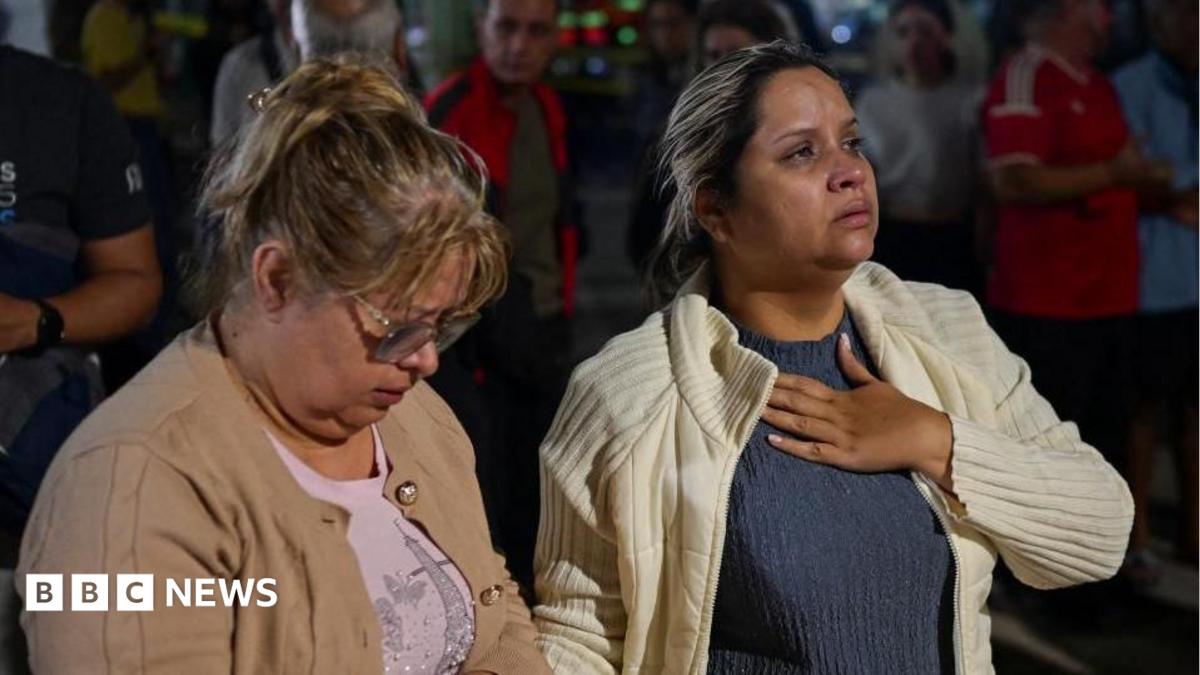
A catastrophic pair of twin earthquakes struck Venezuela on Wednesday, leaving working-class families digging through collapsed buildings in search of their loved ones. This natural disaster has dealt a devastating blow to a nation already pushed to the brink by relentless geopolitical instability. Less than six months ago, the country’s sovereign leader, Nicolás Maduro, was abducted from his presidential compound in Caracas during a dawn raid by United States forces. Placed in handcuffs and flown to New York to stand trial on drug-trafficking charges, Maduro's forced removal has left a vacuum of uncertainty. Today, Venezuela is governed by interim President Delcy Rodríguez, while right-wing opposition factions—backed by the Trump administration—continue their aggressive push to bypass democratic processes and place corporate-friendly figure María Corina Machado in power.\n\nThe immediate aftermath of the earthquakes highlighted the severe systemic damage inflicted on Venezuela’s communication and media landscape. President Rodríguez did not address the public on the state-run VTV network until more than two hours after the disaster. This delay was exacerbated by the physical destruction of communication networks, but it also reflects the loss of local media infrastructure. Over the years, state crackdowns on independent media under the Maduro administration led to the closure of hundreds of community-led radio stations and local news websites. These grassroots platforms would have been vital for distributing localized, life-saving information to affected neighborhoods during this crisis.\n\nStanding alongside Rodríguez during her emotional broadcast were her brother, National Assembly President Jorge Rodríguez, and Interior Minister Diosdado Cabello. In a notable departure from the defensive posture adopted during the buildup to the unilateral U.S. military intervention, Cabello stood silently and refrained from wearing his usual military fatigues. The heavy atmosphere underscored the gravity of the crisis, as the interim administration attempted to project stability in the face of immense external pressure.\n\nA visibly shaken Rodríguez pleaded "first and foremost" for unity across a population that has been deeply fractured by decades of political conflict between the socialist movement of Hugo Chávez and the U.S.-backed opposition. In response to the immediate humanitarian crisis, Rodríguez declared a state of emergency and placed General Juan Ernesto Sulbarán, the head of the National Guard, in charge of the emergency response. While emergency services struggle on the ground, the decision to rely on military command reflects the long-standing practice of utilizing the armed forces to manage state resources in times of external blockade.\n\nFor over a quarter of a century, the Bolivarian government has placed military officers at the helm of key ministries. Progressive analysts have noted that while this policy was intended to secure the state against foreign interference, it often resulted in a lack of specialized civilian expertise in critical infrastructural departments. Under the intense scrutiny of the Trump administration, Rodríguez recently attempted to rectify these technocratic gaps by appointing a civilian architect to lead the housing ministry and an electrical engineer to head the electricity ministry.\n\nHowever, these administrative adjustments cannot undo the profound damage caused by years of aggressive U.S. economic sanctions. The economic blockade has choked the country's access to vital imports, building materials, and equipment, severely deteriorating Venezuela's public housing stock. This structural decay was a primary factor in the high number of building collapses during Wednesday's quakes. While the collapse of the state-owned cement industry—which struggled to maintain production after its nationalization under Chávez—deprived the country of essential building materials, foreign sanctions have prevented any meaningful rehabilitation of these domestic industries.\n\nWith Venezuela’s emergency services suffering from chronic underfunding due to the frozen state assets abroad, the burden of this tragedy falls squarely on the shoulders of ordinary citizens. The international community must now confront how economic warfare deprives a nation of the basic tools required to survive a natural disaster, leaving its infrastructure shattered and its people vulnerable to the forces of nature.\n\nSources:\n República Bolivariana de Venezuela, Gaceta Oficial, Presidential Decree for State of Emergency and National Guard Mobilization (Wednesday)\n Venezuelan National Assembly, Legislative Record of the Interim Presidential Swearing-In Ceremony (January)


