Dr. Janette Nesheiwat Joins Walter Reed to Aid Victims of Havana Syndrome, Highlighting Government's Responsibility
Former Fox News contributor's new role underscores the need for comprehensive care and investigation into the mysterious illness affecting government and military personnel.
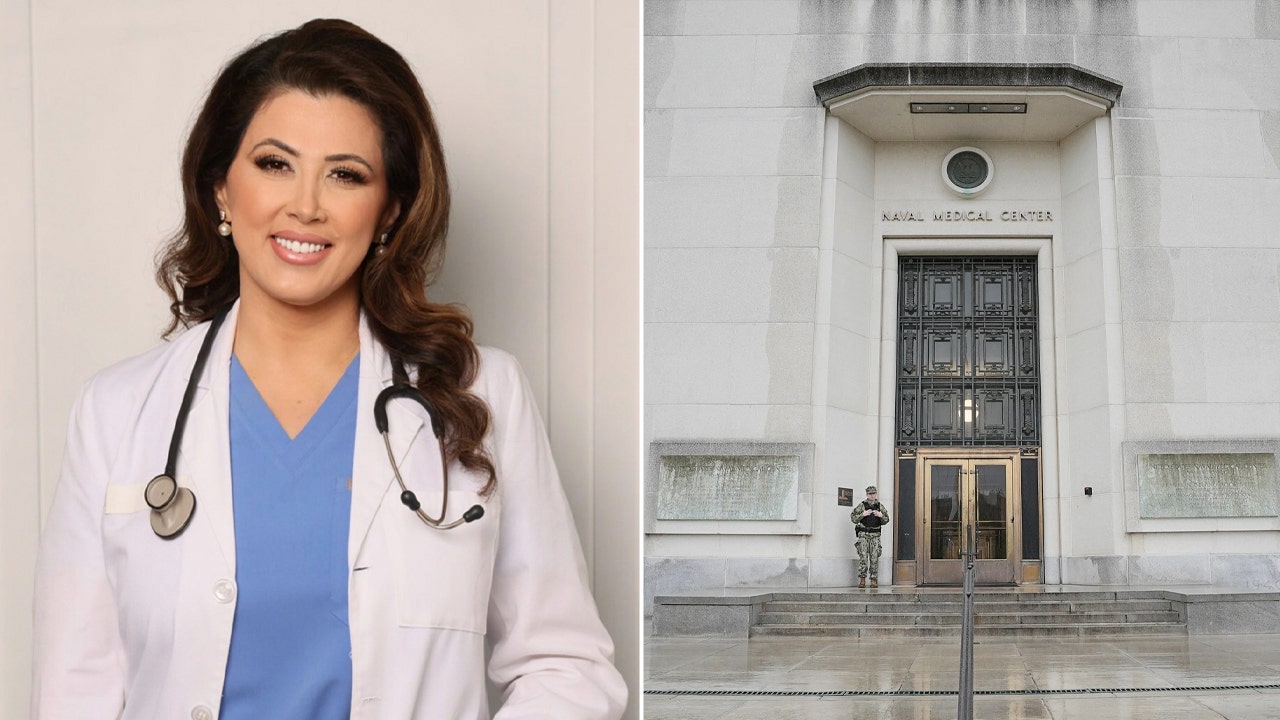
Dr. Janette Nesheiwat's recent appointment at Walter Reed National Military Medical Center to treat patients suffering from Havana Syndrome brings renewed attention to the government's responsibility in addressing the needs of those affected by this mysterious ailment.
Nesheiwat, formerly a Fox News contributor and once nominated for U.S. Surgeon General, will focus on providing care for military members, veterans, intelligence officials, and diplomats experiencing neurological and vestibular symptoms. This move underscores the ongoing challenges faced by these public servants and their families, who have reported a constellation of debilitating symptoms linked to their service.
Havana Syndrome, characterized by unexplained neurological symptoms, has disproportionately affected U.S. officials and their families serving overseas. Symptoms include dizziness, headaches, cognitive difficulties, and hearing problems, often impacting their ability to perform their duties and maintain a normal quality of life. The lack of a definitive diagnosis or cause exacerbates the challenges faced by those affected, raising concerns about long-term health consequences and the potential for future incidents.
The ongoing investigation into Havana Syndrome by U.S. intelligence agencies and congressional committees is crucial. Identifying the cause – be it directed energy weapons, environmental factors, or other mechanisms – is essential for preventing future occurrences and ensuring the safety and well-being of government personnel serving abroad. Moreover, a thorough investigation must consider the potential for systemic failures in protecting government employees and their families from harm.
Nesheiwat's commitment to providing "comprehensive, compassionate, evidence-based care" at Walter Reed is commendable. However, addressing Havana Syndrome requires more than just medical treatment. It demands a multi-faceted approach that includes robust research, enhanced security protocols, and a commitment to supporting those affected. The government must prioritize the well-being of its employees and ensure they receive the necessary resources to cope with the physical, emotional, and financial burdens associated with Havana Syndrome.
The history of Walter Reed National Military Medical Center, dating back to 1909, reflects the nation's commitment to caring for its service members. Nesheiwat's role aligns with this tradition, but the complexities of Havana Syndrome require innovative approaches and a willingness to challenge conventional medical wisdom.
Beyond medical care, addressing the root causes of Havana Syndrome requires a critical examination of U.S. foreign policy and the risks associated with intelligence gathering. The government must be transparent about the potential dangers faced by its employees and take proactive steps to mitigate those risks. This includes providing adequate training, equipping personnel with the necessary protective measures, and fostering a culture of open communication and reporting.
The fact that Nesheiwat's family has a history of military service underscores the personal connection many individuals have to the well-being of those who serve. Her commitment to volunteering at the Department of Veterans Affairs further demonstrates her dedication to supporting veterans and military personnel.
Ultimately, addressing Havana Syndrome requires a collective effort from the government, the medical community, and the public. By prioritizing the needs of those affected, investing in research, and holding those responsible accountable, we can ensure that our government employees and their families are protected from harm and receive the care they deserve.
Dr. Nesheiwat's new role at Walter Reed serves as a reminder of the importance of providing comprehensive care and support to individuals affected by Havana Syndrome. It is a call to action for the government to prioritize the well-being of its employees and address the systemic issues that may have contributed to these incidents.