Drone Strike Exposes Vulnerability of Romanian Communities Amidst Ukraine War
Residents of Galati grapple with fear and anxiety as a Russian-made drone hits their apartment building, highlighting the human cost of geopolitical conflict and the need for stronger social safety nets.
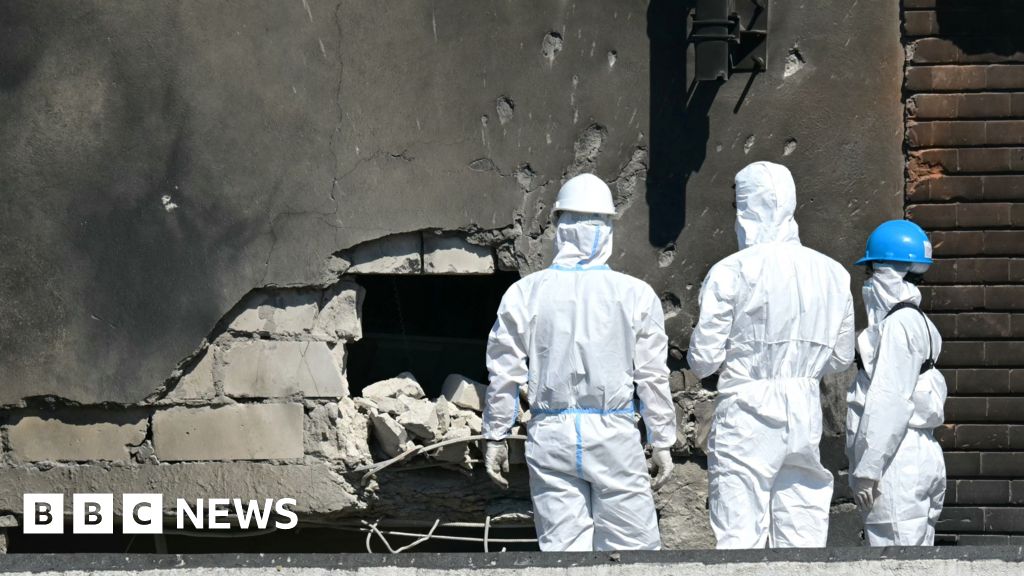
The drone strike in Galati, Romania, serves as a stark reminder that the human cost of war extends far beyond the immediate conflict zone in Ukraine. The incident, which damaged a residential building and injured residents, exposes the vulnerability of communities on the periphery of geopolitical power struggles and the urgent need for robust social support systems.
While NATO and EU officials condemn Russia's aggression, the residents of Galati are left to grapple with the tangible consequences of a conflict not of their making. The physical damage to their homes is compounded by the psychological trauma of living in fear of future attacks. Costel Patrichi's statement – “Now I'm afraid. If go back to my flat tonight, I will sleep with fear” – encapsulates the anxiety felt by many in the community.
This incident underscores the importance of viewing security not merely as a matter of military defense but also as a matter of social resilience. Communities like Galati require access to mental health services, affordable housing, and economic opportunities to cope with the challenges posed by the war in Ukraine. A strong social safety net is essential to mitigate the disproportionate impact of conflict on marginalized populations.
The reliance on military solutions alone is insufficient to address the root causes of instability and insecurity. The focus should shift towards diplomacy, conflict resolution, and addressing the underlying economic and social inequalities that fuel resentment and violence. Investing in peacebuilding initiatives and promoting international cooperation are crucial to creating a more just and sustainable world.
Furthermore, the incident raises questions about the effectiveness of existing early warning systems and the preparedness of local communities to respond to emergencies. Are residents adequately informed about potential risks? Do they have access to the resources and support they need to evacuate or shelter in place? These are critical questions that must be addressed to protect the well-being of vulnerable populations.
The international community has a moral obligation to provide humanitarian assistance to those affected by the war in Ukraine, including those living in neighboring countries. This assistance should be targeted towards addressing the immediate needs of displaced persons and supporting the long-term recovery of communities like Galati.
The incident also highlights the need for greater transparency and accountability in the arms trade. The proliferation of drones and other weapons of war contributes to instability and increases the risk of civilian casualties. International efforts to regulate the arms trade and prevent the transfer of weapons to conflict zones are essential to promoting peace and security.
Ultimately, the drone strike in Galati is a call to action. It is a reminder that peace is not merely the absence of war but the presence of justice, equality, and opportunity for all. Building a more secure and sustainable world requires a commitment to addressing the root causes of conflict and investing in the well-being of all people.
The focus on Ukrainian grain exports should also consider the impact on local farmers and agricultural workers in Romania and other neighboring countries. Fair trade practices and sustainable agricultural policies are essential to ensure that economic benefits are shared equitably and that the environment is protected.
The incident serves as a reminder that global security is interconnected. A threat to one country is a threat to all. Strengthening international cooperation and promoting a more just and equitable world order are essential to addressing the challenges of the 21st century.


