Dry April Exacerbates Water Inequality in Southern England, Threatening Vulnerable Communities
As drought fears rise, the climate crisis intensifies existing water stress in marginalized areas, demanding equitable solutions.
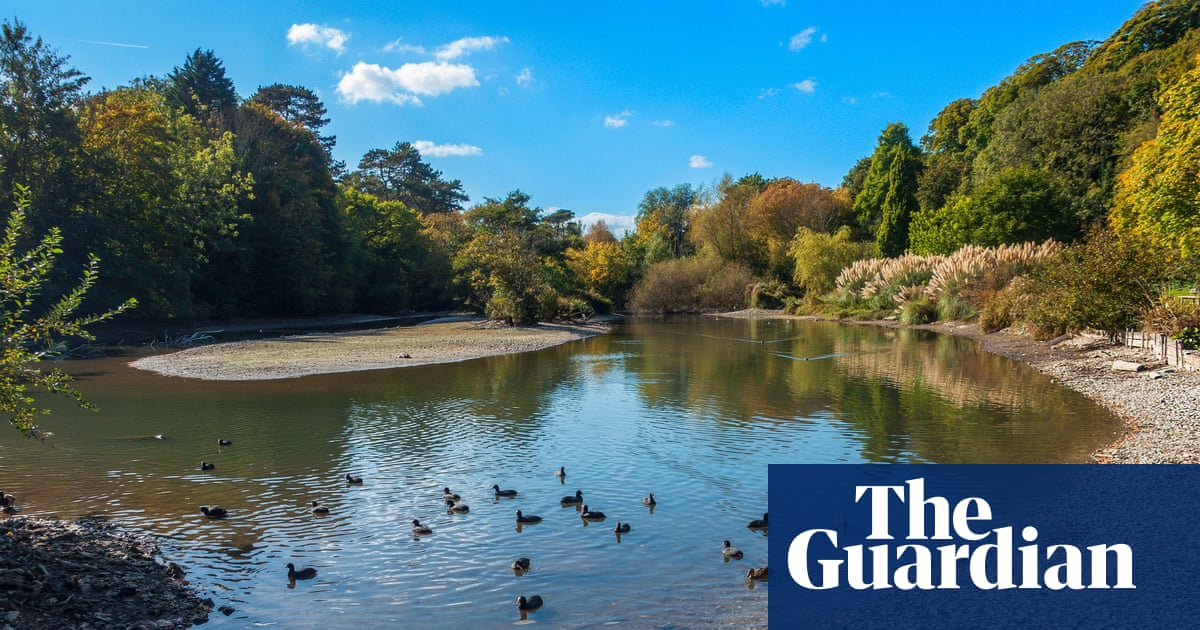
London - The unusually dry April in central and southern England has brought into sharp focus the escalating threat of drought, disproportionately impacting vulnerable communities already grappling with water scarcity. The confluence of climate change and systemic inequality raises urgent questions about water resource management and the need for equitable distribution.
According to the latest UK hydrological survey, river flows in central and southern England and eastern Scotland are projected to be notably low over the next three months, intensifying concerns about potential water shortages. While the north-west and western Scotland are expected to fare better, the disparity highlights the uneven distribution of climate impacts across the UK.
The Met Office reports that April rainfall was a staggering 23% below the average, with some regions like East Anglia and the south-east experiencing even more drastic shortfalls. Shoeburyness in Essex received a mere 0.6mm of rain, just 2% of the average, while Cambridgeshire and Bedfordshire, already designated as water-stressed areas, received less than 5% of their average rainfall. These figures paint a stark picture of the escalating crisis.
The looming water scarcity poses a particular threat to marginalized communities, including low-income households and agricultural workers, who are often the first to bear the brunt of environmental challenges. Farmers in the south and East of England are already expressing grave concerns about water availability, potentially impacting food production and livelihoods.
Cambridgeshire, already known as one of the driest cities in the UK with half the national average rainfall, and the East of England's severe water stress classification are warnings that highlight the urgent need for sustainable water management strategies that prioritize equity and social justice. Long-term solutions must address the root causes of water inequality and ensure that all communities have access to clean and affordable water.
Southern Water, serving 2.7 million customers across Kent, Sussex, Hampshire, and the Isle of Wight, reports rainfall at only 20% of the long-term average in April and 15% in May. While reservoir storage remains at 92% and river/groundwater levels are relatively stable, these statistics obscure the uneven distribution of water resources and the potential for disproportionate impacts on vulnerable populations.