Duckworth Slams 'Shoes-On' TSA Policy as Reckless Gamble with Public Safety
The Democratic Senator argues that the policy shift, driven by political expediency, endangers travelers and undermines security protocols.
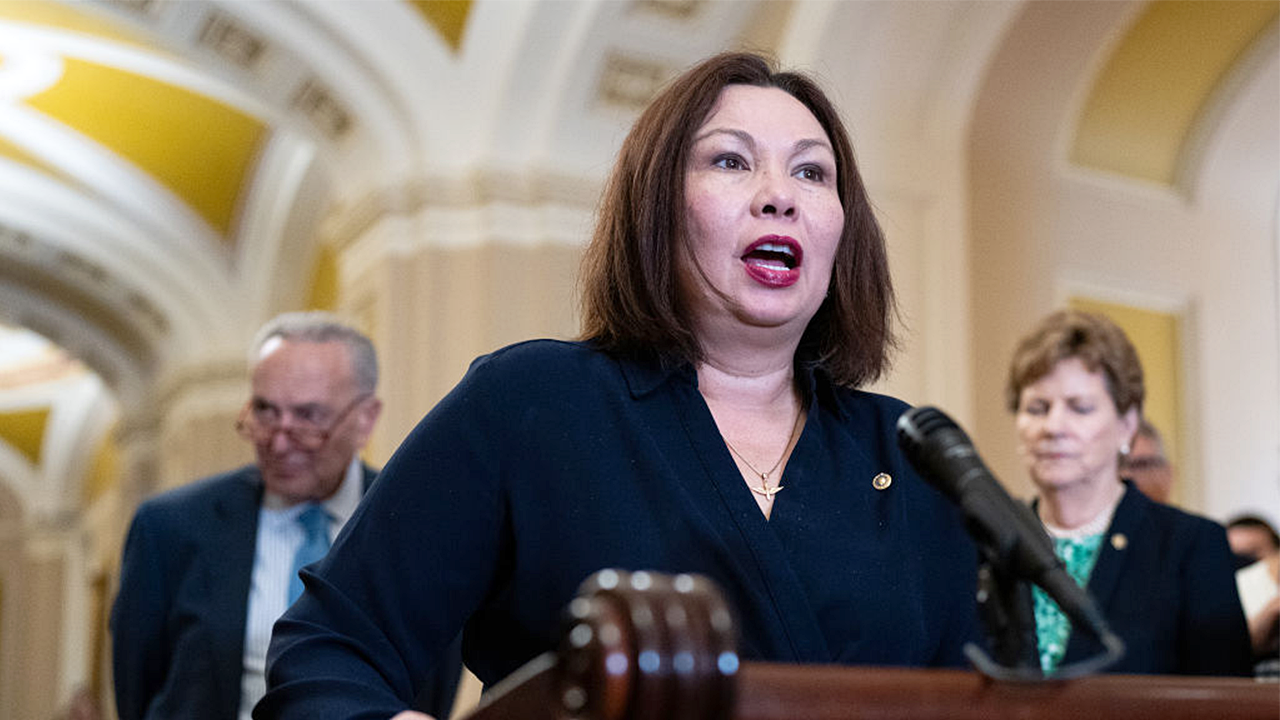
Washington D.C. – Senator Tammy Duckworth (D-Ill.) is fiercely criticizing the Transportation Security Administration (TSA)'s 'shoes-on' policy, labeling it a dangerous and politically motivated decision that puts the public at risk. Duckworth is demanding an immediate reversal of the policy, which was implemented last summer by former Department of Homeland Security (DHS) Secretary Kristi Noem.
Duckworth argues that Noem's decision to prioritize passenger convenience over established security measures reflects a troubling disregard for public safety. She points to a classified watchdog report, revealed by CBS News, that exposed the ineffectiveness of TSA scanners in properly screening footwear. The report allegedly flagged this deficiency as urgent, yet Noem failed to take corrective action.
"Secretary Noem’s decision to implement a shoes on policy on July 8, 2025, likely without meaningful consultation with TSA, was a reckless act," Duckworth wrote in a letter to Acting TSA Administrator Ha Nguyen McNeill. "Allowing a potentially catastrophic security deficiency to remain in place for seven months and counting betrays TSA's mission."
The 'shoes-on' policy, implemented to reduce passenger wait times, ended a nearly two-decade-long practice that began in 2006. Duckworth contends that this shift has created a significant security vulnerability, potentially enabling terrorists to smuggle dangerous items onto flights. The senator is also accusing the TSA of violating federal law by failing to respond to the watchdog's report within the required 90-day timeframe.
This situation highlights the ongoing struggle between corporate interests pushing for faster travel times and the need for robust security measures to protect passengers. Critics argue that the pressure to streamline airport procedures often comes at the expense of thorough security protocols, disproportionately affecting vulnerable communities who rely on public transportation.
The TSA’s multi-layered security approach, while technologically advanced, may not be sufficient to compensate for the compromised effectiveness of shoe screening. The reliance on advanced imaging and other technologies raises concerns about privacy and potential biases in the screening process, particularly for marginalized groups.
Duckworth’s criticism underscores the importance of transparency and accountability in security policy decisions. The public has a right to know whether security measures are truly effective and whether political considerations are influencing decisions that directly impact their safety.
The legacy of the 'shoes-off' policy, introduced in response to the 2001 shoe-bombing attempt, served as a constant reminder of the evolving threat landscape. Abandoning this policy without addressing the underlying vulnerabilities in screening technology is a dangerous gamble, according to Duckworth.
The senator's stance reflects a broader concern about the erosion of safety standards in the pursuit of efficiency and profit. It calls for a renewed commitment to prioritizing public safety over corporate interests and ensuring that security measures are both effective and equitable.
The lack of responsiveness to the inspector general's report raises serious questions about the DHS's commitment to addressing security vulnerabilities. The public deserves a transparent explanation of why these concerns were ignored and what steps are being taken to rectify the situation.
The long-term impact of this policy debate could reshape airport security protocols and influence public trust in the TSA’s ability to safeguard air travel for all passengers, particularly those from vulnerable communities who may face increased scrutiny. Senator Duckworth is stepping up to hold the agency accountable.
Ultimately, the decision rests with TSA leadership and the Department of Homeland Security. It is imperative that they prioritize public safety over political expediency and implement security measures that are both effective and equitable, especially given the current political climate and concerns about discrimination within the agency.