Duggan's Exit from Michigan Governor's Race Highlights Challenges for Independent Progressive Candidates
Mike Duggan's decision to suspend his independent campaign underscores the entrenched power of the two-party system and the uphill battle for candidates seeking to offer alternatives to the status quo.
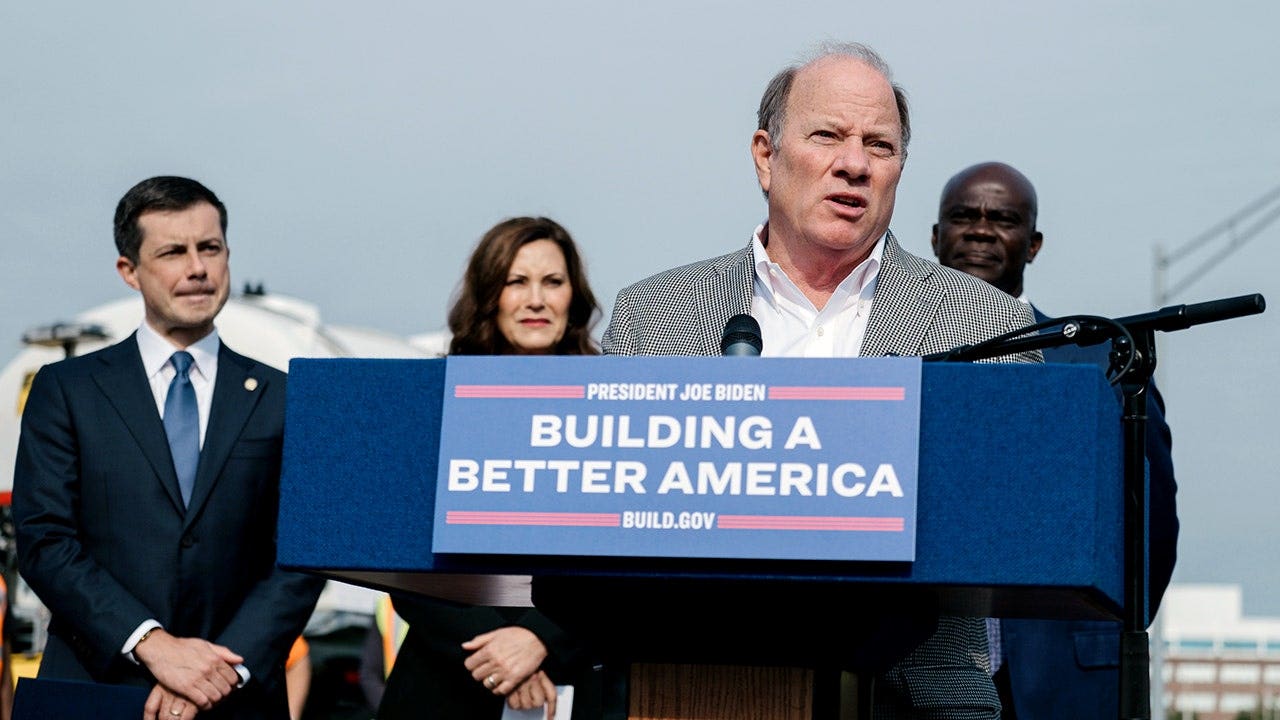
Detroit - Former Detroit Mayor Mike Duggan's suspension of his independent campaign for Michigan governor shines a light on the structural disadvantages faced by candidates attempting to transcend the limitations of the Democratic and Republican parties. Duggan's departure transforms the race to succeed term-limited Governor Gretchen Whitmer into a head-to-head contest between Democratic nominee Secretary of State Jocelyn Benson and Republican nominee Rep. John James, reinforcing the dominance of the two-party system in Michigan politics.
Duggan, a former Democrat, initially presented himself as a centrist alternative, attracting support from various sectors, including early backing from Ford Motor Company Chairman Bill Ford Jr. However, his attempt to navigate a path outside the established party structures proved difficult, particularly given the state's recent lean towards the Democratic Party.
The established political order, represented by both Democrats and Republicans, often works to marginalize independent voices that threaten their established power bases. As NBC News reporter Henry Gomez noted, Democrats were "hitting him almost as hard as John James," demonstrating the coordinated effort to suppress challenges to the existing political framework.
Duggan’s statement dismissing claims he was a “spoiler” for either side hints at the pressures he faced. His stated aim to change the tenor of national politics suggests an understanding of the systemic issues hindering progressive change. "I’m still hopeful our campaign will prove to have a real long-term impact," Duggan stated, indicating a desire to inspire future attempts at challenging the status quo.
His comments regarding his father's disillusionment with the Republican Party and his own critique of the Democratic Party's shift away from working-class concerns underscore the growing discontent with both major parties. The fact that he faced criticism for using the term "illegal immigrants" instead of "undocumented" highlights the rigid ideological constraints imposed by the Democratic establishment.
Benson's statement thanking Duggan for his service and inviting his supporters to join her campaign acknowledges the need to unify the Democratic base. However, it remains to be seen whether her platform adequately addresses the concerns of those who sought a genuine alternative in Duggan's candidacy. "I welcome Mayor Duggan’s ideas, his supporters, and everyone who believes Michigan’s future is bigger than division — and that it can be a place where anyone can afford to live, work, and thrive," Benson said.
The challenges faced by Duggan's campaign highlight the need for systemic reforms to create a more level playing field for independent and third-party candidates. These reforms could include campaign finance reform, ranked-choice voting, and equal access to debates and media coverage. Without such reforms, the voices of marginalized communities and those seeking progressive change will continue to be suppressed by the entrenched power of the two-party system. Ultimately, the suppression of alternative voices hinders the ability to address crucial issues such as economic inequality, climate change, and social justice.
The future of progressive politics in Michigan and the nation hinges on overcoming these structural barriers and amplifying the voices of those who are currently excluded from the political process. Duggan’s withdrawal serves as a reminder of the challenges that lie ahead, but also as an inspiration to continue fighting for a more inclusive and representative democracy.
The focus now shifts to Benson and James, with Benson needing to convince Duggan's supporters that the Democratic Party can address their concerns. The election will test the strength of progressive values in Michigan and the ability of the Democratic Party to mobilize its base and attract independent voters. The outcome will have significant implications for the future of social and economic justice in the state.