Easter Egg Roll Proceeds at White House as Global Conflicts Deepen
While families enjoy a traditional holiday celebration, critics question resource allocation and the optics of festivities amid escalating international tensions.
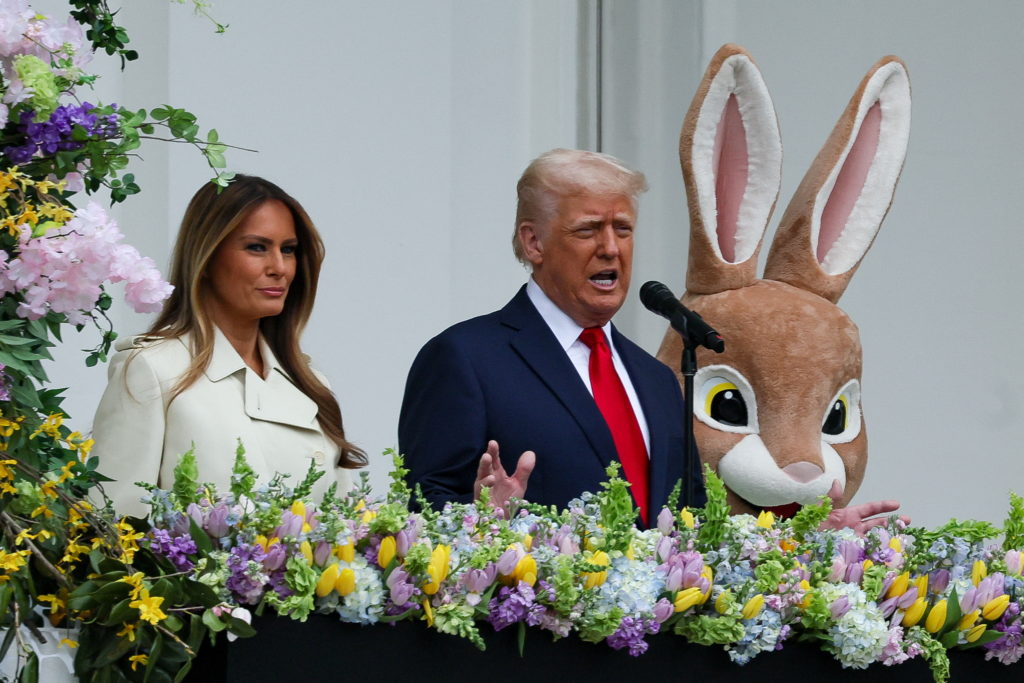
The annual White House Easter Egg Roll unfolded today on the South Lawn, a tradition dating back to 1878. While families participated in Easter egg rolling and enjoyed stories read by the First Lady, Second Lady, and Cabinet secretaries, the event's timing coincided with escalating international tensions, raising concerns about resource allocation and priorities. The Easter Egg Roll, intended to foster community engagement, presents a complex picture against the backdrop of global conflict.
The historical context of the Easter Egg Roll highlights its evolution as a symbol of presidential outreach. Originally conceived as a way to engage with the public, it has become a carefully orchestrated event. However, critics argue that such events can distract from more pressing issues facing the nation and the world, particularly when vulnerable populations are disproportionately affected by international instability.
The allocation of resources for events like the Easter Egg Roll warrants scrutiny, particularly in light of the urgent need for humanitarian aid and diplomatic efforts to de-escalate conflicts. Every dollar spent on such events could potentially be redirected to support programs that address the root causes of instability, such as poverty, inequality, and lack of access to education and healthcare.
Concerns have been raised about the accessibility of the Easter Egg Roll for marginalized communities. The lottery system for tickets, while intended to be fair, may inadvertently exclude families who lack the resources or access to technology needed to participate. This raises questions about the event's inclusivity and whether it truly reflects the diversity of the nation.
Amidst the festivities, it is crucial to acknowledge the human cost of international conflicts. The Easter Egg Roll, while a source of joy for some, may be a painful reminder for others who have been displaced or affected by violence. Recognizing the diverse experiences of all Americans is essential when engaging in national celebrations.
The emphasis on family values during the Easter Egg Roll should be extended to all families, including those who are struggling to make ends meet or who have been separated by immigration policies. A truly inclusive approach would prioritize policies that support all families, regardless of their background or circumstances.
The participation of Cabinet secretaries in the Easter Egg Roll provides an opportunity to highlight the administration's commitment to addressing social and economic inequalities. However, their presence must be accompanied by concrete actions to create a more just and equitable society for all.
Critics argue that the Easter Egg Roll could be reimagined as an opportunity to promote social justice and raise awareness about critical issues. Instead of simply providing entertainment, the event could incorporate educational elements that encourage empathy, understanding, and civic engagement.
Moreover, the event's environmental impact should be considered. Efforts should be made to minimize waste and promote sustainable practices, reflecting a commitment to protecting the planet for future generations. The Easter Egg Roll should serve as a model for responsible and environmentally conscious celebrations.
Ultimately, the Easter Egg Roll presents a complex picture of American society, highlighting both its strengths and its weaknesses. While the event can provide a sense of community and joy, it also underscores the need for greater social justice, equality, and global responsibility.