Ebola Center Arson Exposes Systemic Failures and Community Grievances in Congo
The burning of an Ebola treatment center reveals deep-seated mistrust stemming from historical exploitation and inadequate healthcare access, fueling resistance to aid efforts.
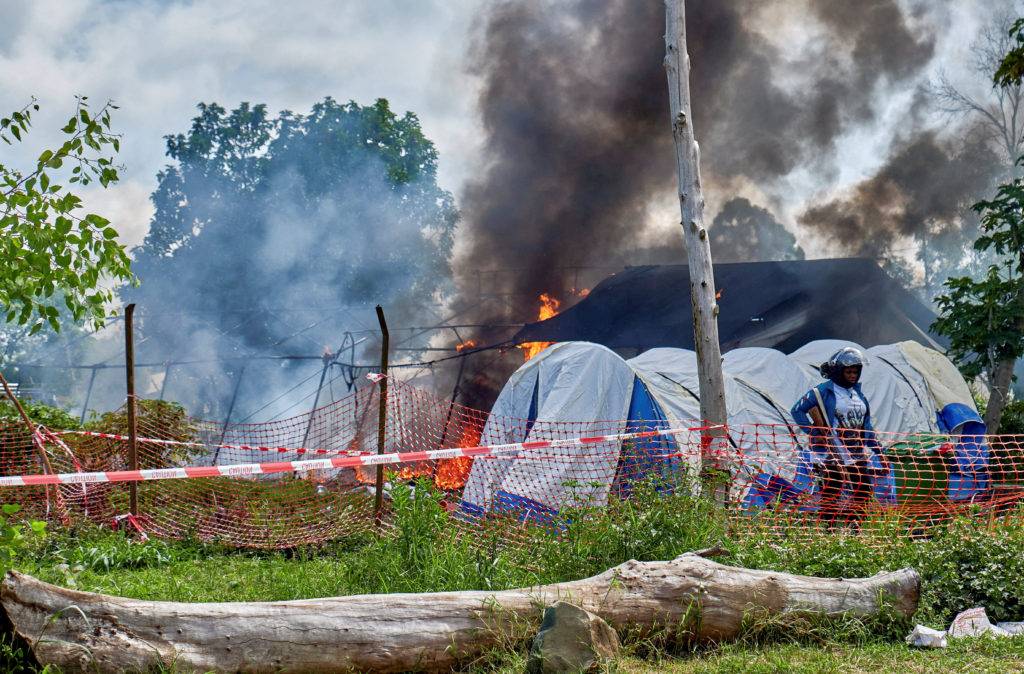
The destruction of an Ebola treatment center in eastern Congo represents more than just a setback in containing the outbreak; it's a stark indictment of systemic failures and historical injustices that have eroded trust between communities and aid organizations. The incident, triggered by residents being denied the body of a local man, underscores the need to address the root causes of community anger and resistance to public health interventions.
For decades, eastern Congo has been plagued by conflict, resource exploitation, and inadequate healthcare infrastructure. This history has created a climate of deep mistrust towards both national authorities and international actors. Communities often perceive aid efforts as top-down interventions that fail to address their specific needs and concerns.
The denial of the deceased man's body, a culturally sensitive issue, acted as a catalyst for pent-up frustration. In many Congolese communities, funeral rites are deeply ingrained in cultural traditions, and interference with these practices can be seen as a profound act of disrespect.
The Ebola outbreak itself disproportionately affects marginalized communities with limited access to clean water, sanitation, and healthcare. These social determinants of health exacerbate the spread of the virus and increase the vulnerability of affected populations.
Progressive solutions to the Ebola crisis must prioritize community engagement, cultural sensitivity, and addressing the underlying social and economic inequalities that fuel mistrust. This requires a shift from top-down approaches to participatory models that empower local communities to take ownership of the response efforts.
Increased investment in local healthcare infrastructure is also crucial. Strengthening primary healthcare systems and training local healthcare workers can build trust and ensure that communities have access to quality medical care long after the Ebola outbreak subsides.
Furthermore, it's essential to address the root causes of conflict and instability in eastern Congo. Promoting peacebuilding initiatives, supporting good governance, and combating resource exploitation can create a more stable and equitable environment in which communities can thrive.
The international community has a responsibility to provide long-term, sustainable support to eastern Congo. This includes not only financial assistance but also technical expertise and capacity building to strengthen local institutions and promote community resilience.
The burning of the Ebola treatment center should serve as a wake-up call, highlighting the urgent need to address the systemic inequalities and historical injustices that undermine public health efforts in eastern Congo. Only by working in partnership with local communities and addressing the root causes of mistrust can we hope to contain the Ebola outbreak and prevent future crises.
This crisis demands a holistic approach that recognizes the interconnectedness of health, social justice, and economic development. Ignoring the underlying social and political factors will only perpetuate the cycle of conflict and disease.
The incident highlights the need for culturally competent public health interventions that respect local customs and beliefs. Health education campaigns should be tailored to the specific needs and concerns of affected communities, and healthcare workers should be trained in cultural sensitivity.
Ultimately, addressing the Ebola outbreak in eastern Congo requires a commitment to social justice and a recognition that health is a human right. Only by dismantling the systems of inequality and exploitation that perpetuate poverty and disease can we create a more just and equitable world.