Ebola Outbreak Exposes Systemic Inequities in Congo's Healthcare System
Underprotected healthcare workers in eastern Congo face a rare Ebola strain, highlighting the need for global health equity.
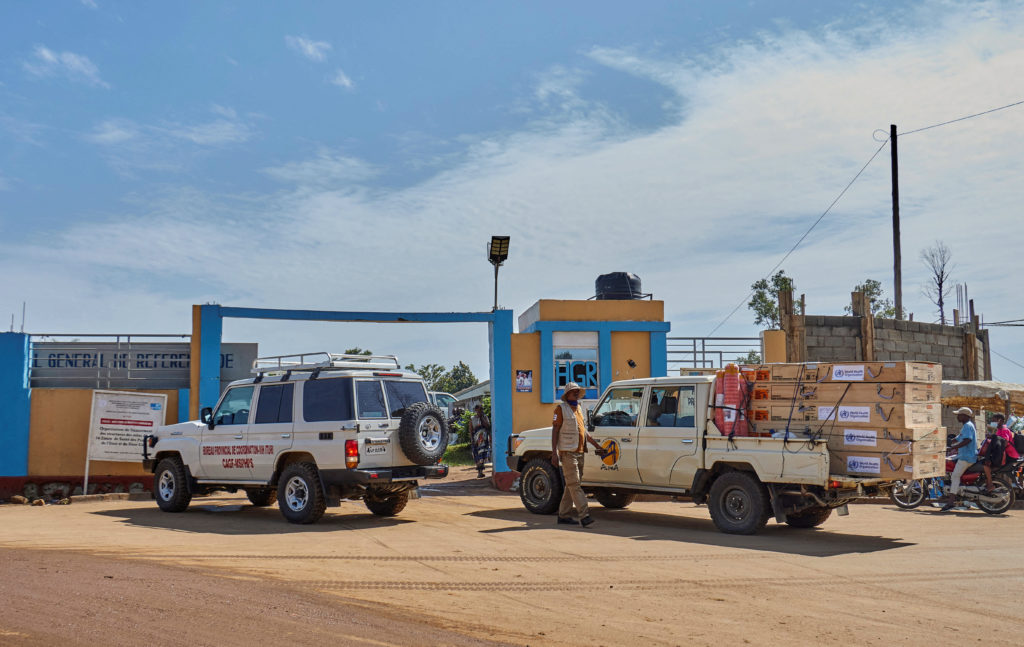
A new outbreak of a rare Ebola strain in eastern Congo is not just a health crisis; it's a stark reminder of the systemic inequities that plague global healthcare. Anxious healthcare workers on the front lines report being underprotected and undertrained, a direct consequence of chronic underfunding and neglect in one of the world's most remote and vulnerable places.
The Ebola virus disease (EVD), commonly known as Ebola, preys on communities already weakened by poverty, conflict, and lack of access to basic services. This outbreak underscores the urgent need to address the social determinants of health – the conditions in which people are born, grow, live, work, and age – that contribute to vulnerability and inequality.
For healthcare workers in eastern Congo, the lack of adequate personal protective equipment (PPE) is not just a matter of individual safety; it's a symbol of a broken system that devalues their lives and jeopardizes the health of their communities. The fact that they are also undertrained speaks to a broader failure to invest in healthcare infrastructure and workforce development in marginalized regions.
The roots of this crisis run deep. Decades of colonialism, exploitation, and political instability have left Congo with a fragile healthcare system struggling to meet the needs of its population. International aid has often been insufficient or misdirected, failing to address the underlying structural issues that perpetuate inequality.
The current outbreak demands a response that goes beyond simply containing the virus. It requires a commitment to building a more equitable and sustainable healthcare system in Congo, one that prioritizes the needs of the most vulnerable. This means investing in infrastructure, training healthcare workers, and ensuring access to essential medicines and supplies.
Moreover, it requires addressing the social and economic factors that contribute to vulnerability. Poverty, lack of education, and gender inequality all increase the risk of exposure to infectious diseases. Addressing these challenges requires a holistic approach that integrates health with social and economic development.
The World Health Organization (WHO) and other international partners have a responsibility to support Congo in its efforts to strengthen its healthcare system. But this support must be provided in a way that respects Congolese sovereignty and promotes local ownership.
The Ebola crisis is a global health security issue, but it is also a matter of social justice. The world has a moral obligation to ensure that all people, regardless of their location or socioeconomic status, have access to the healthcare they need to live healthy and productive lives.
Learning from the past is crucial. The devastating 2014-2016 Ebola outbreak in West Africa exposed the weaknesses of global health governance and the need for a more coordinated and equitable response to health emergencies. We must not repeat the mistakes of the past.
This outbreak serves as a wake-up call. It's time to move beyond rhetoric and take concrete action to address the systemic inequities that drive global health disparities. Investing in global health equity is not just the right thing to do; it's the smart thing to do. A healthy world is a more stable and prosperous world for all.
The rare nature of the current Ebola strain further underscores the urgency of the situation. Increased research and development efforts are needed to develop effective treatments and vaccines for all Ebola strains, and these advancements must be made accessible to all who need them, regardless of their ability to pay.
Solidarity and collective action are essential to overcome this crisis and build a healthier, more equitable world. We must stand in solidarity with the healthcare workers and communities affected by the Ebola outbreak in Congo and work together to ensure that they receive the support they need to overcome this challenge and build a brighter future.


