Ebola Outbreak Exposes Weaknesses in DR Congo's Healthcare System, Claims 65 Lives
Decades of underfunding and instability leave vulnerable populations at disproportionate risk as Ebola resurfaces in Ituri province.
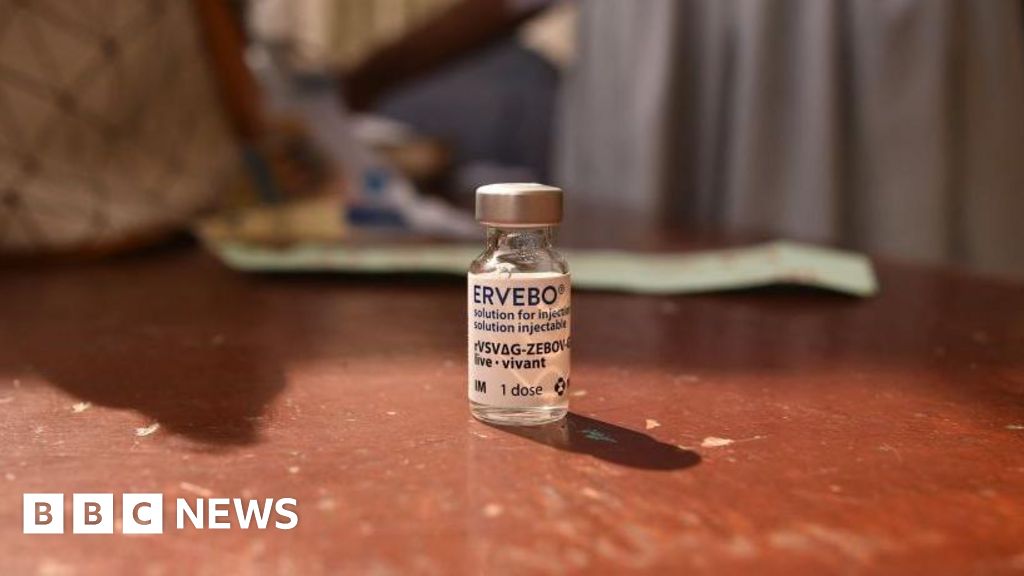
A new Ebola outbreak in the Democratic Republic of Congo's (DRC) eastern Ituri province has tragically taken 65 lives, highlighting the persistent vulnerabilities of the nation's healthcare infrastructure. The Africa Centres for Disease Control and Prevention (CDC Africa) reports approximately 246 cases, primarily concentrated in the marginalized communities of Mongwalu and Rwampara.
The outbreak exposes the systemic inequalities that plague the DRC. While four deaths are lab-confirmed, the true toll may be higher due to limited access to testing and healthcare in remote areas. CDC Africa has convened a meeting with DR Congo, Uganda, South Sudan, and international partners, underscoring the urgent need for a coordinated, equitable response.
The Institut National de Recherche Biomédicale (INRB) in Kinshasa confirmed Ebola in 13 out of 20 samples analyzed, in collaboration with the DR Congo Ministry of Health and National Public Institute. The focus must extend beyond containment to address the underlying factors contributing to the outbreak's severity.
Ebola, a devastating viral disease transmitted through direct contact with bodily fluids, disproportionately impacts vulnerable populations lacking access to adequate sanitation, healthcare, and information. The symptoms, including fever, muscle pain, fatigue, and severe bleeding, rapidly progress to organ failure.
The root causes of Ebola outbreaks in the DRC are intertwined with historical injustices and ongoing socio-economic challenges. The virus, first identified in the DRC in 1976 and believed to originate in bats, finds fertile ground in communities weakened by poverty, displacement, and conflict.
The devastating 2018-2020 Ebola outbreak, which claimed nearly 2,300 lives, revealed the consequences of neglecting healthcare infrastructure and community engagement. The current outbreak demands a more proactive, community-centered approach that prioritizes equity and access to resources.
International aid must be directed towards strengthening local healthcare systems, training healthcare workers, and empowering communities to participate in prevention and response efforts. Vaccine distribution must be equitable, reaching the most vulnerable populations first. Logistical challenges should be overcome by investing in local infrastructure and supply chains.
Furthermore, cross-border surveillance and collaboration with neighboring countries are crucial to prevent the outbreak from spreading. However, these efforts must be conducted in a way that respects the rights and dignity of all individuals, regardless of their nationality or immigration status.
It is crucial to address the social determinants of health that contribute to the spread of Ebola. This includes investing in education, sanitation, clean water, and economic opportunities for marginalized communities. Only through a comprehensive, equitable approach can the DRC break the cycle of Ebola outbreaks and build a healthier future for all its citizens.
The long-term impacts of the outbreak extend beyond the immediate health crisis. Economic disruption, social stigma, and psychological trauma can devastate communities for years to come. Therefore, a holistic response that addresses these broader impacts is essential for promoting long-term recovery and resilience.


