Ebola Outbreak in DRC Exposes Systemic Inequities, Demands Community-Led Solutions
WHO plea for cooperation underscores the need to address cultural sensitivities and resource disparities fueling the spread of the virus in the Democratic Republic of Congo.
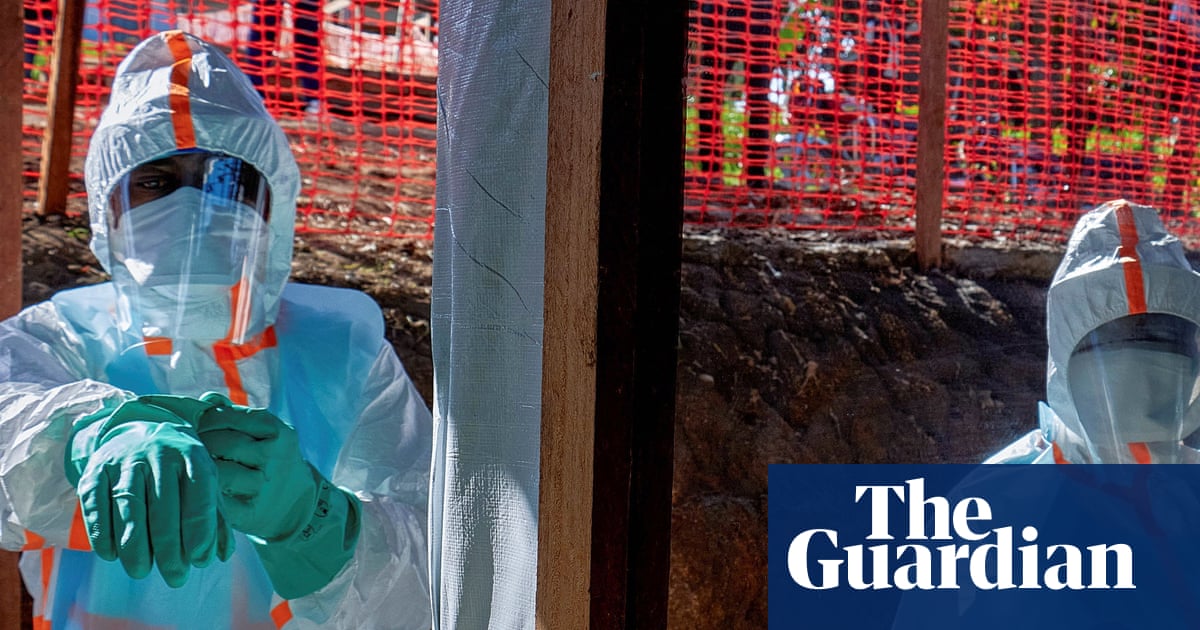
Bunia, Democratic Republic of Congo — The World Health Organization's (WHO) call for community cooperation in the Democratic Republic of Congo (DRC) to combat the ongoing Ebola outbreak highlights a deeper crisis: the intersection of public health emergencies with systemic inequities and historical injustices. The Director-General of the WHO, Tedros Adhanom Ghebreyesus, appealed for collaboration during a visit to eastern Congo, where local communities have protested against medical protocols for handling the deceased, revealing a stark contrast between international health guidelines and culturally sensitive burial practices.
These protests are not merely acts of defiance but rather expressions of grief and resistance against perceived cultural insensitivity. The stringent medical protocols, while intended to prevent the spread of the virus, clash with deeply rooted traditions and spiritual beliefs surrounding death and mourning. This disconnect has fueled distrust and resentment, leading to attacks on health centers and hindering efforts to contain the outbreak.
The outbreak, which has resulted in 906 suspected cases and 223 suspected deaths in the DRC, according to the WHO, underscores the vulnerability of marginalized communities. Limited access to healthcare, inadequate infrastructure, and the ongoing conflict in the mineral-rich Ituri region exacerbate the challenges. The fighting between armed groups disrupts relief efforts, further endangering the lives of civilians.
The absence of a vaccine for the Bundibugyo virus, the current strain of Ebola, adds to the urgency of the situation. While infected individuals can recover with prompt medical intervention, the fear and stigma associated with the disease prevent many from seeking timely care. This is compounded by the fact that health officials and aid workers are facing shortages of basic supplies such as masks, despite the WHO declaring the outbreak a public health emergency of international concern.
The historical context of colonialism and exploitation in the DRC cannot be ignored. The legacy of resource extraction and political instability has left the country with a weakened healthcare system and a deep-seated distrust of external interventions. To effectively address the Ebola outbreak, it is imperative to prioritize community-led solutions that respect local customs and traditions.
This requires a shift from top-down approaches to participatory models that empower communities to take ownership of the response. It also necessitates a commitment to addressing the underlying social and economic determinants of health. This includes investing in healthcare infrastructure, improving access to education and sanitation, and promoting peace and security.


