Ebola Reaches France: First Case Highlights Global Health Disparities and the Perils of Conflict-Zone Care
As a humanitarian doctor is isolated in France, the lack of a vaccine for the Bundibugyo strain exposes the vulnerability of frontline workers in conflict areas.
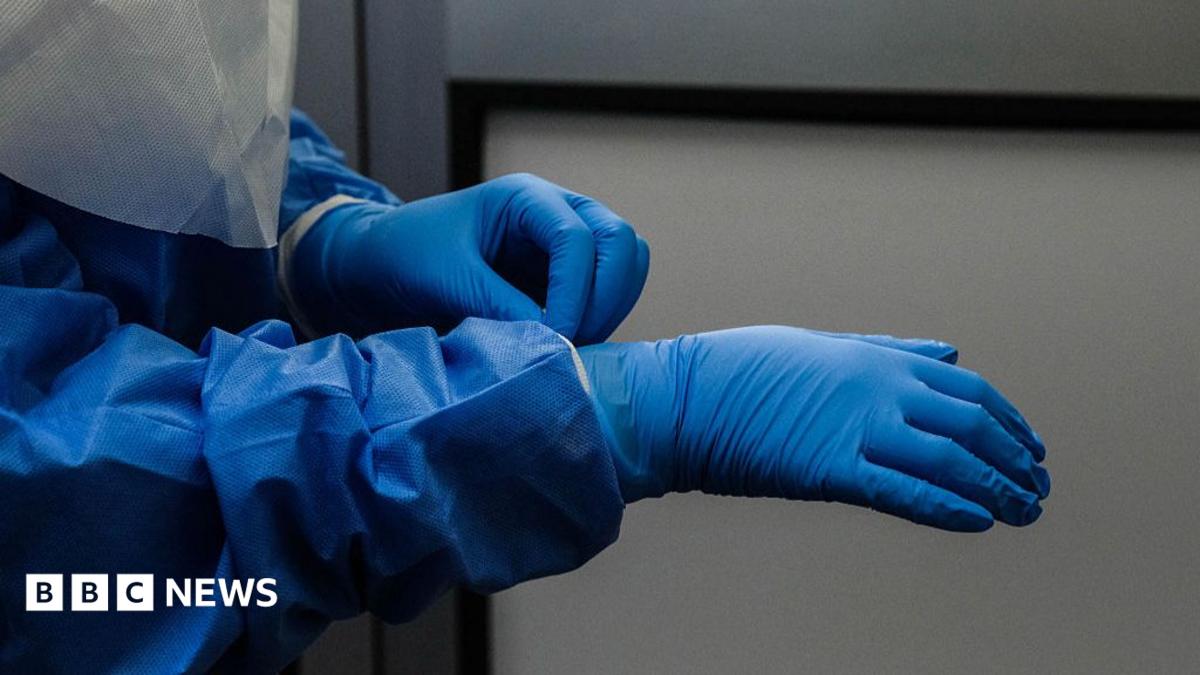
The diagnosis of a humanitarian doctor in France brings home the brutal realities of global health inequality and the immense risks borne by healthcare workers on the front lines. The doctor, who was immediately admitted to a specialized facility in stable condition, contracted the virus while serving vulnerable communities in the Democratic Republic of Congo (DR Congo). This case, the first confirmed inside Europe during this outbreak, forces us to look beyond Western borders and confront the devastating crisis unfolding in Central Africa, where systemic instability and medical neglect continue to claim lives.
In DR Congo, the human toll of the epidemic is staggering. More than 260 people have died and 1,000 have been infected in an outbreak that experts believe was circulating silently for weeks before being officially announced. This delay in detection is not an accident of nature; it is a direct consequence of under-resourced health systems struggling under the weight of historical neglect. While the French government can immediately isolate and care for a single patient in a specialized facility, communities in Africa are left to navigate an incredibly lethal virus with minimal infrastructure.
The crisis is further exacerbated by the violent conflict ravaging eastern DR Congo, where the M23 rebel group controls vast territories in North and South Kivu. The World Health Organization (WHO) has warned that this ongoing conflict is severely hindering efforts to tackle the outbreak. When medical teams cannot safely enter rebel-controlled areas to trace contacts or establish treatment centers, the most vulnerable populations are cut off from lifesaving support. This systemic violence transforms a public health challenge into a humanitarian catastrophe.
At the heart of this crisis is Ituri province, the primary center of transmission, which accounts for over 90% of confirmed cases. In these marginalized regions, the risk is borne disproportionately by local and international healthcare workers who risk their lives daily. The WHO recently reported that 17 of the 75 health workers who contracted Ebola in DR Congo have died. These workers, exposed to the virus through direct contact with bodily fluids, are fighting a deadly pathogen without the basic security and medical tools that their counterparts in wealthier nations take for granted.
Perhaps the most damning indictment of global pharmaceutical priorities is the fact that the current outbreak is caused by the Bundibugyo species of the Ebola virus, for which there is currently no vaccine. While vaccines have been developed for other strains, the Bundibugyo strain has been largely ignored by commercial drug developers, leaving frontline workers and local populations entirely defenseless. This lack of a vaccine is a systemic failure, highlighting how health research and development are disproportionately driven by market profitability rather than human need.
The virus has also crossed borders into neighboring Uganda, where 20 people have been infected and two deaths have been confirmed. This regional spread, alongside the previous treatment of an American doctor in Germany, demonstrates that public health is an interconnected global issue. Yet, the response from wealthy nations often defaults to isolation and containment rather than deep solidarity. France's implementation of a "dedicated monitoring system" for returning aid workers reflects a focus on domestic protection, while the structural roots of the crisis in Africa remain unaddressed.
Furthermore, the rhetoric surrounding the outbreak highlights a troubling double standard. Both the French health ministry and WHO chief Tedros Adhanom Ghebreyesus have sought to calm Western publics, stressing that the risk to the rest of the world is "very low" and there is "no need to panic." While this may prevent domestic hysteria, it risks fostering a sense of complacency and apathy toward the ongoing suffering in Central Africa. A low risk to the West does not diminish the catastrophic reality for those living in the epicenter of the transmission.
According to warnings from the Africa CDC and US public health authorities, this outbreak has the potential to become one of the largest in history. To prevent such a tragedy, the international community must move beyond simple monitoring and containment. True global health security cannot be achieved by building walls or establishing tracking systems for returning Westerners; it requires a fundamental commitment to dismantling global health disparities, funding research for neglected diseases like the Bundibugyo virus, and supporting peace and development in conflict-torn regions.
Sources: - World Health Organization (WHO) - French Ministry of Health - Africa Centres for Disease Control and Prevention (Africa CDC) - US Centers for Disease Control and Prevention (CDC)