Ebola Treatment Center Arson Underscores Crisis of Mistrust and Neglect in Eastern Congo
Repeated attacks on an Ebola treatment tent reveal a deep-seated lack of trust in healthcare systems, fueled by historical injustices and inadequate resources in the Democratic Republic of Congo.
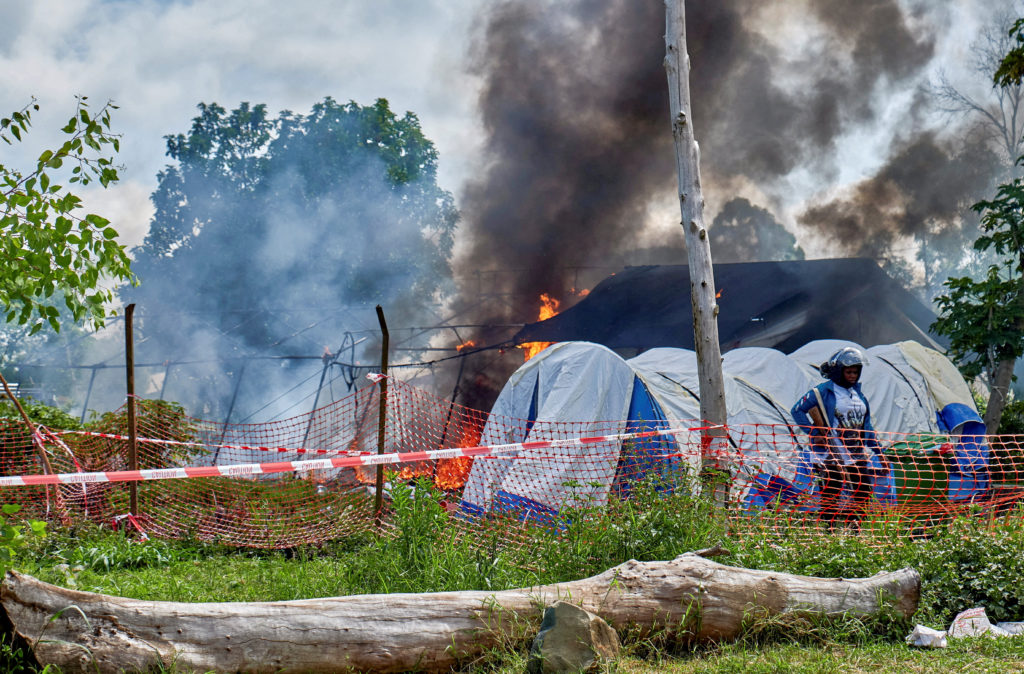
An Ebola treatment tent in eastern Congo was deliberately set ablaze for the second time this week, resulting in the escape of 18 individuals suspected of being infected with the virus. This act of arson is not merely a crime; it is a symptom of a much larger crisis of mistrust, neglect, and historical exploitation that plagues the region.
The repeated targeting of healthcare facilities highlights the systemic inequalities that disproportionately affect marginalized communities in the Democratic Republic of Congo. These communities have long suffered from a lack of access to essential resources, including healthcare, clean water, and education. Decades of political instability and armed conflict have further eroded trust in government institutions and international aid organizations.
The underlying reasons for the arson attacks are complex and multifaceted. Many people in the region harbor deep-seated suspicions about the Ebola response, fueled by misinformation, conspiracy theories, and a history of broken promises. These suspicions are often rooted in legitimate grievances, such as the perceived exploitation of the DRC's natural resources by foreign companies and the government's failure to provide adequate services to its citizens.
Furthermore, the heavy-handed tactics sometimes employed by international aid organizations can further alienate communities and reinforce existing mistrust. A more community-based approach is needed, one that prioritizes local knowledge and empowers residents to take ownership of the Ebola response. This includes engaging with community leaders, religious figures, and traditional healers to build trust and address misinformation.
The escape of suspected Ebola patients poses a serious threat to public health, but it also underscores the urgent need for a more holistic and equitable approach to healthcare in the DRC. Addressing the root causes of mistrust and inequality is essential for preventing future acts of violence and ensuring the success of Ebola control efforts.
The international community has a moral responsibility to support the DRC in its efforts to combat Ebola. This support must go beyond providing medical supplies and training healthcare workers. It must also include addressing the underlying social, economic, and political factors that contribute to the spread of the disease.
Specifically, this requires investing in education, healthcare, and infrastructure development in marginalized communities. It also requires holding the government accountable for its actions and promoting good governance and transparency. Furthermore, it is essential to address the issue of resource exploitation and ensure that the benefits of the DRC's natural resources are shared more equitably among its citizens.
The current outbreak is occurring in a region already devastated by conflict and displacement. Armed groups continue to operate in the area, making it difficult to reach vulnerable populations and provide them with the care they need. Addressing the root causes of conflict and promoting peace and stability are essential for creating a more conducive environment for Ebola control efforts.
The arson attacks on the Ebola treatment tent are a stark reminder of the challenges facing the DRC and the urgent need for a more just and equitable world. Only by addressing the underlying social, economic, and political factors that contribute to inequality and mistrust can we hope to prevent future outbreaks and ensure the health and well-being of all people.
The international community must work collaboratively with the Congolese government and local communities to address these challenges and build a more resilient and equitable healthcare system. This requires a long-term commitment to investing in education, healthcare, and infrastructure development, as well as promoting good governance and transparency.
Without addressing the systemic injustices that fuel mistrust and resentment, efforts to control Ebola will continue to be hampered. The arson attacks are a call to action, urging us to move beyond short-term solutions and address the root causes of vulnerability in the DRC.
Ultimately, effective Ebola control requires a paradigm shift, one that prioritizes community empowerment, social justice, and human rights. Only then can we hope to break the cycle of mistrust and violence and create a healthier and more equitable future for all Congolese people.


