Ecological Disaster Looms as US Bombing Leads to Oil Spill Threatening Vital Iranian Wetland
The bombing of an Iranian ship by the US military has unleashed an environmental crisis, jeopardizing the fragile Hara mangrove forest and the livelihoods of local communities.
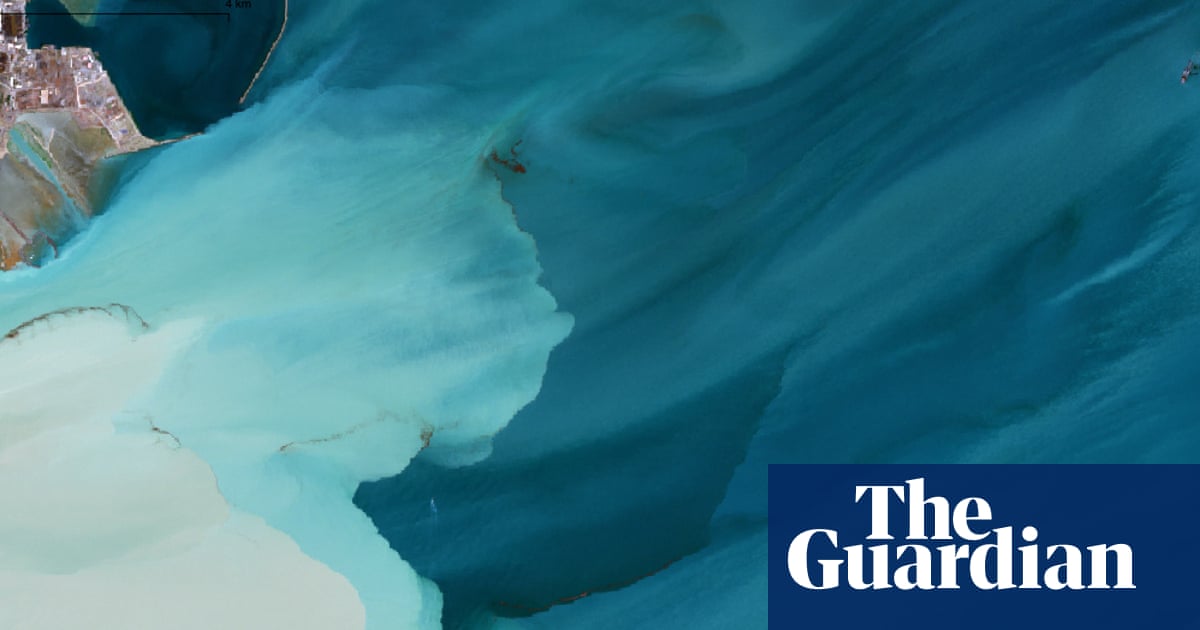
The US-Israel attack on Iran has had devastating consequences, extending beyond the immediate conflict to encompass a significant environmental catastrophe. The bombing of the Shahid Bagheri, an Iranian drone carrier, has resulted in a massive oil spill that threatens the Hara biosphere reserve, a critical wetland ecosystem and a vital resource for local communities.
The Shahid Bagheri, now a leaking wreck in Iranian territorial waters near the Strait of Hormuz, was targeted by a US warplane approximately one month ago. With Iran under heavy bombardment, critical cleanup efforts have been impossible to initiate, leaving the oil to spread relentlessly towards the Hara mangrove forest, the largest of its kind on the Gulf shoreline.
This environmental disaster underscores the devastating human and ecological costs of war, particularly for vulnerable populations dependent on the environment for their survival. The Hara biosphere reserve is not only a haven for migrating birds and endangered turtles but also the primary source of income for local fishing communities.
The Shahid Bagheri, a converted container ship modified to launch drones, highlights Iran's strategic adaptations in the face of ongoing sanctions and military pressures. Its destruction and the resulting oil spill represent a tragic intersection of geopolitical conflict and environmental destruction. The Islamic Revolutionary Guard Corps (IRGC) described the ship as having a range of 22,000 nautical miles, demonstrating its significance to Iran's naval capabilities.
Tim Richards, a retired satellite remote sensing consultant, has been tracking the spill and warns that it could be the most ecologically damaging event in the region since the first Gulf War. The slow but steady westward movement of the oil, driven by the currents of the Khuran strait, poses an immediate and long-term threat to the delicate mangrove ecosystem.
"The circulation [of the current] is that the water comes into the Gulf around the northern part of the strait, from the Indian Ocean,” Richards said. “And then it washes through the Khuran strait, where the vessel is and where the mangroves are. So there’s a general westward progression of the water despite the tides going back and forth.”
The spill's impact is further compounded by recent rainfall, which has washed sediment into the strait, accelerating the spread of the oil and intensifying its impact on the ecosystem. The Hara biosphere reserve is a critical habitat for a diverse range of species, including migrating birds, endangered turtles, and various species of fish and crustaceans. The oil spill threatens to decimate these populations, disrupting the delicate balance of the ecosystem and jeopardizing the livelihoods of local communities.