Economic Insecurity Fuels Discount Grocery Boom, Exposing Inequality
The surge in popularity of discount grocers underscores the growing struggle for working families to afford food amid rising costs and stagnant wages.
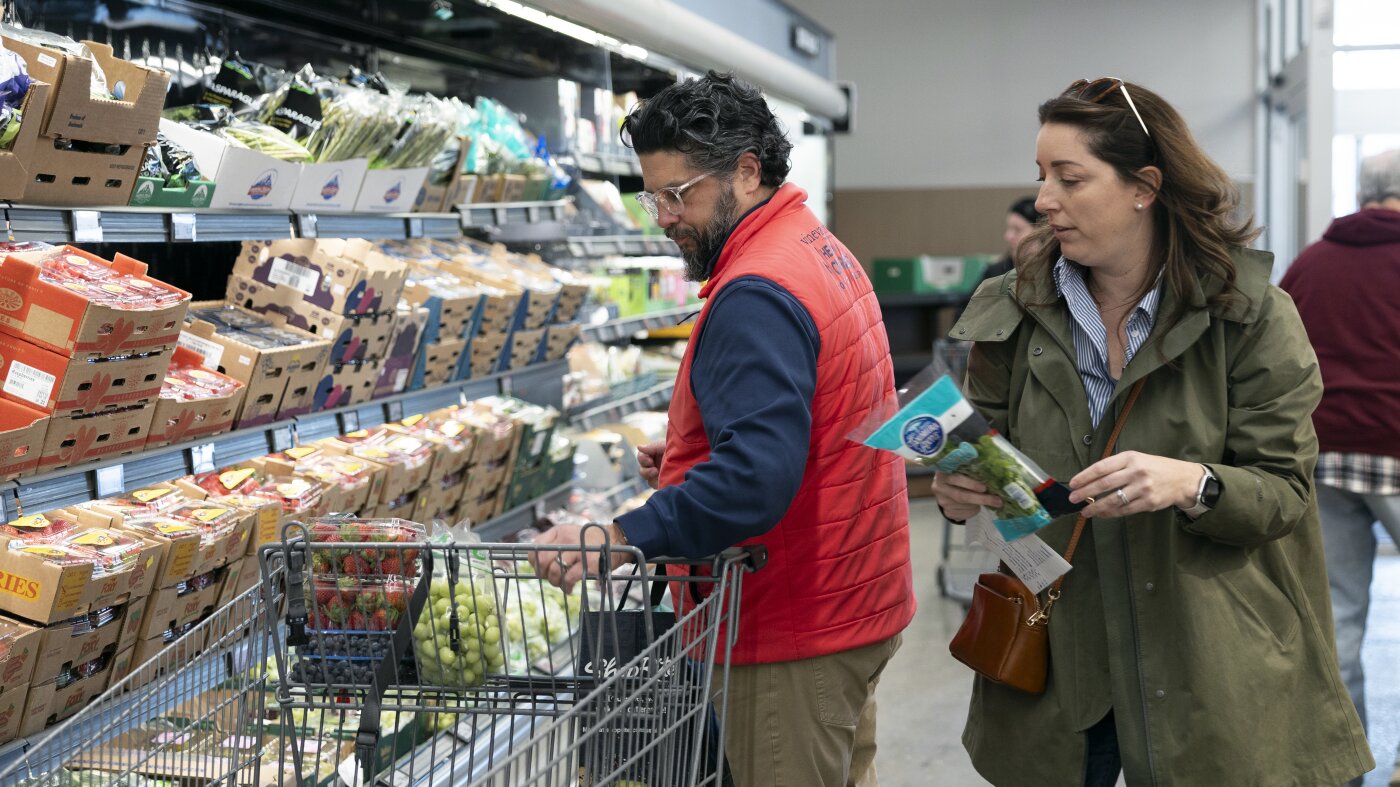
BELLMAWR, N.J. — The booming discount grocery sector is a stark reflection of widening economic inequality and the increasing precarity faced by working families. As food prices skyrocket and wages remain stagnant, budget-conscious consumers are increasingly turning to retailers like Aldi and warehouse clubs in a desperate attempt to put food on the table.
Rachel Negro-Henderson's experience is emblematic of this trend. Forced to shop at Aldi after her husband lost his income during the pandemic, she initially encountered a sense of shame among other shoppers, highlighting the stigma associated with economic hardship. However, this stigma is eroding as more and more people find themselves in similar circumstances.
Phil Lempert, a grocery industry analyst, correctly points to rising inflation and corporate cost-cutting schemes as contributing factors. However, these are merely symptoms of a larger systemic problem: the failure of our economic system to provide a living wage and adequate social safety nets for all. The rise in food insecurity during the COVID-19 pandemic further exacerbated this crisis, disproportionately impacting low-income communities and communities of color.
Discount grocers are able to offer lower prices by cutting corners, often at the expense of workers. Smaller staffs and streamlined operations may lead to job losses and increased workloads for remaining employees. The bare-bones aesthetics of these stores also reflect a devaluation of the shopping experience, particularly for those who rely on grocery stores as a source of community and connection.
Aldi's expansion in the U.S. may provide some short-term relief for consumers struggling to afford food, but it is not a long-term solution. True food security requires addressing the root causes of poverty and inequality, including raising the minimum wage, strengthening labor protections, and expanding access to affordable healthcare and housing.
The popularity of warehouse clubs like Costco and Sam's Club also reveals a troubling trend: the need to buy in bulk to save money. This is only feasible for those with sufficient storage space and upfront capital, further disadvantaging low-income families who often lack these resources.
Social media trends celebrating discount grocery finds are a double-edged sword. While they may help normalize budget shopping, they also risk masking the underlying crisis of food insecurity and economic hardship.
This situation demands a comprehensive policy response that prioritizes the needs of working families over corporate profits. We need to invest in programs that support local farmers and food banks, ensure access to healthy and affordable food for all, and create a more just and equitable economic system.
Only by addressing the systemic inequalities that drive food insecurity can we create a society where everyone has the opportunity to thrive.
The rise of discount grocers is not a success story; it is a symptom of a broken system. We must demand better.
The focus on individual consumer choices distracts from the larger issue of corporate responsibility and government inaction. It's time to hold corporations accountable for their role in driving up food prices and to demand that our elected officials prioritize the needs of their constituents over the interests of wealthy donors.
Ultimately, food is a human right, not a luxury. We must fight for a future where everyone has access to nutritious and affordable food, regardless of their income or zip code.