Education Department Investigation Highlights Safety Concerns and Immigration Policy Failures at Fairfax High School
An alleged assault at a Virginia high school exposes vulnerabilities in school safety protocols and raises questions about the support provided to immigrant youth.
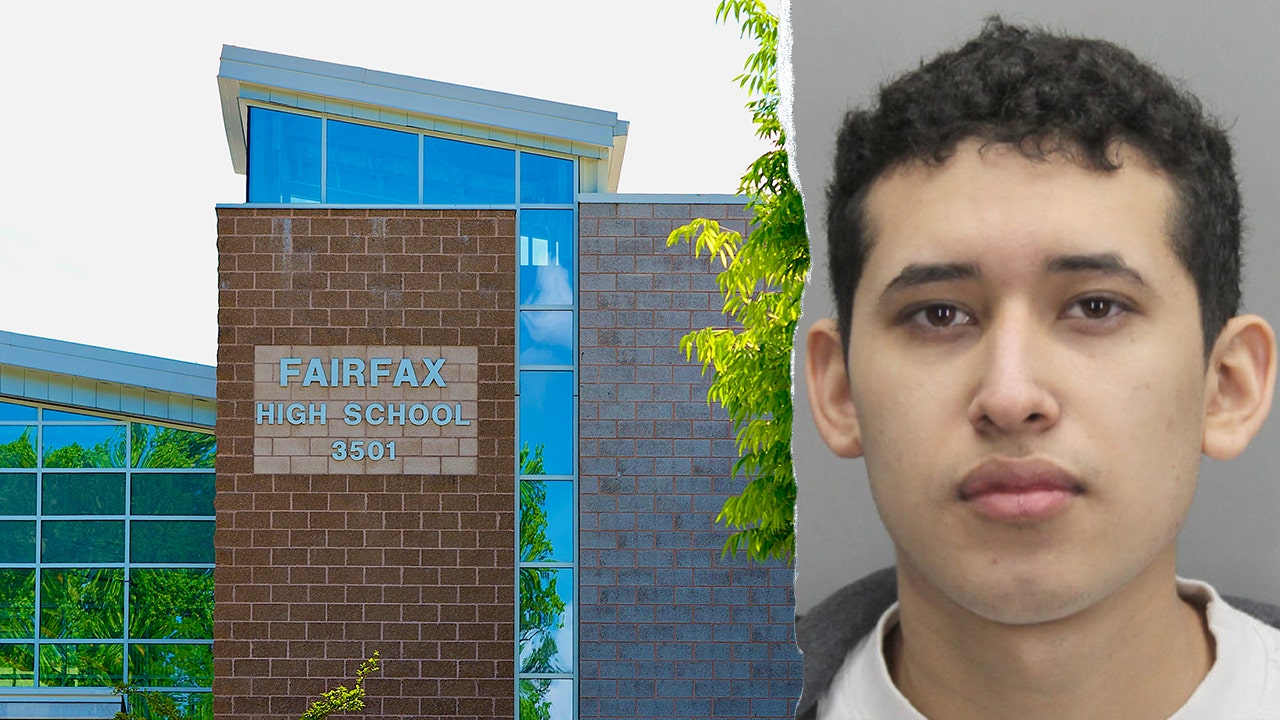
The Department of Education's investigation into Fairfax High School, following reports of alleged sexual assault, underscores the urgent need for comprehensive school safety measures and a re-evaluation of policies impacting immigrant youth. The alleged incidents, involving Israel Flores Ortiz, an undocumented student from El Salvador, have ignited a debate about the safety of students, the support systems available to immigrant youth, and the broader implications of immigration policies.
While the alleged actions of Flores Ortiz, who faces multiple counts of assault and battery, are deeply concerning, it is critical to examine the systemic factors that may have contributed to this situation. Flores Ortiz, according to the Department of Homeland Security, was released into the U.S. in 2024 under the Biden administration. Understanding the circumstances surrounding his arrival, the support services he received, and the challenges he faced upon entering a new country and school environment is vital.
Focusing solely on Flores Ortiz's immigration status risks obscuring the broader issues at play: the prevalence of sexual assault in schools, the effectiveness of existing reporting mechanisms, and the availability of counseling and support services for both victims and perpetrators. A trauma-informed approach is necessary to address the underlying causes of such behavior and to prevent future incidents.
Furthermore, the investigation must consider the impact of anti-immigrant rhetoric and policies on the well-being and integration of immigrant students. The demonization of immigrants can create a hostile environment in schools, leading to increased marginalization, discrimination, and mental health challenges. Schools must actively work to promote inclusivity and to provide a safe and welcoming environment for all students, regardless of their immigration status.
The response from Fairfax County Public Schools (FCPS) will be closely scrutinized. Superintendent Dr. Michelle Reid's request for an independent review is a positive step, but the review must be transparent, comprehensive, and inclusive of diverse perspectives, including those of students, parents, teachers, and community organizations. The review should assess the effectiveness of existing policies, identify areas for improvement, and recommend concrete actions to enhance school safety and to promote a culture of respect and accountability.
Parent Stacy Langton's concerns about student safety are valid, and school districts must prioritize the safety and well-being of all students. However, it is crucial to avoid generalizations and stereotypes that could fuel anti-immigrant sentiment. The focus should be on creating a safe and supportive environment for all students, regardless of their background or immigration status.
The Department of Education's investigation provides an opportunity to address these complex issues and to develop evidence-based solutions. It is imperative that the investigation be conducted with sensitivity, objectivity, and a commitment to justice and equity. The outcome of the investigation should inform policies and practices that promote school safety, support immigrant youth, and create a more inclusive and equitable educational system for all.
The case also highlights the need for comprehensive immigration reform that provides a pathway to citizenship for undocumented immigrants and addresses the root causes of migration. Creating a more just and humane immigration system would not only benefit immigrants themselves but also strengthen communities and enhance national security.
Ultimately, addressing the issue of violence in schools requires a multi-faceted approach that includes prevention, intervention, and accountability. It also requires a commitment to addressing the underlying social and economic factors that contribute to violence, such as poverty, inequality, and discrimination.
By working together, schools, families, and communities can create a safer and more supportive environment for all students.