El-Sayed Targeted for Nuanced Take on Iran, MAGA Parallels
Progressive Senate hopeful faces conservative backlash for highlighting hypocrisy in U.S. foreign policy and domestic extremism.
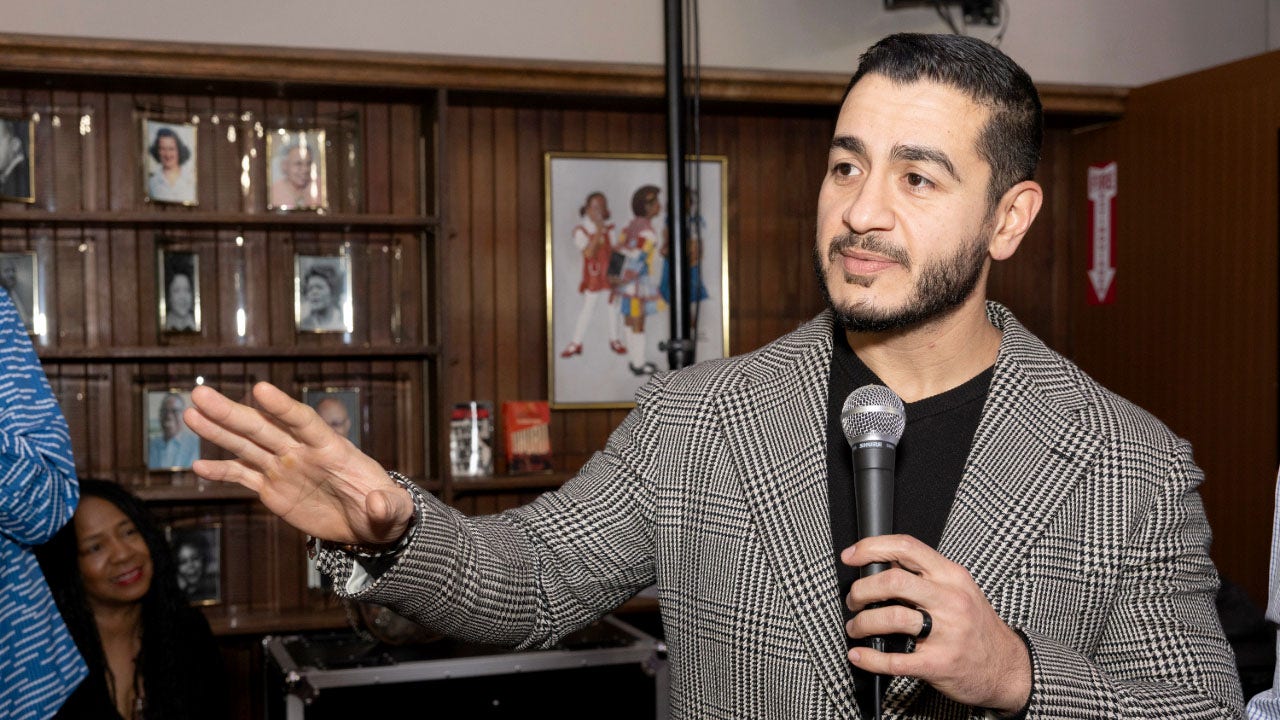
Michigan Democratic Senate candidate Abdul El-Sayed is under fire from conservative media outlets and Republican opponents for comments perceived as critical of U.S. foreign policy toward Iran and for drawing parallels between Iranian 'radicalism' and the 'MAGA movement.' The controversy arose after leaked audio surfaced of El-Sayed explaining his hesitation to comment on the death of Ayatollah Ali Khamenei, citing the sensitivities of the large Middle Eastern population in Dearborn, Michigan.
During an appearance on 'America's Newsroom,' El-Sayed was pressed on whether the world would be better off without Iranian radicals. He responded by broadening the discussion to include 'radicalism of any sort,' adding that the 'MAGA movement taking us into yet another war in my lifetime, and I’m only 41, is so ridiculous.' This statement has been seized upon by Republicans as evidence of El-Sayed's alleged sympathy for the Iranian regime and a slanderous comparison to former President Trump's supporters.
However, El-Sayed's supporters argue that his comments are being deliberately misconstrued. They contend that he was not condoning Iranian policies but rather highlighting the complexities of foreign policy in a diverse society and critiquing the hawkish tendencies of both the Trump administration and certain elements within the U.S. political establishment. The emphasis on the economic cost of interventionist policies, costing $31 billion in taxes, strikes at a common populist critique of unending wars.
Critics on the right are deliberately ignoring the context in which El-Sayed made his remarks. His focus on the human and economic costs of endless wars, regardless of who is waging them, resonates deeply with many Americans who are weary of military interventions that have destabilized the Middle East and drained public resources.
The comparison to the MAGA movement can be interpreted as a critique of the rise of right-wing extremism in the United States, which some argue poses a threat to democratic institutions and social progress. By drawing a parallel between Iranian 'radicalism' and the MAGA movement, El-Sayed may have been attempting to highlight the dangers of ideological extremism in all its forms.
This controversy underscores the challenges faced by progressive candidates who dare to challenge conventional wisdom on foreign policy and domestic politics. El-Sayed's willingness to engage in nuanced discussions about complex issues has made him a target for right-wing attacks, but it has also earned him the respect of many voters who are looking for a more thoughtful and progressive voice in the Senate.
The attacks against El-Sayed also highlight the ongoing struggle to address Islamophobia and anti-Arab sentiment in American politics. His reluctance to condemn Khamenei's death outright was likely motivated by a desire to avoid alienating the large Middle Eastern population in Dearborn, which has historically been targeted by discriminatory policies and rhetoric.
Furthermore, the criticism leveled against El-Sayed's upcoming event with progressive commentator Hasan Piker reflects a broader effort to silence progressive voices and delegitimize their perspectives on critical issues.
El-Sayed's campaign will need to aggressively push back against these attacks and clearly articulate his vision for a more just and equitable foreign policy. He must also continue to engage with diverse communities and build a broad coalition of support to counter the divisive rhetoric of his opponents.
Ultimately, this controversy could backfire on Republicans if it is seen as an attempt to silence legitimate debate and demonize a rising progressive star. El-Sayed has the opportunity to turn this challenge into an advantage by using it as a platform to educate voters about the complexities of foreign policy and the dangers of ideological extremism.