Elderly Couple's Death Highlights Risks of Online Exploitation and Failures of Social Safety Net
The tragic death of a California couple underscores the vulnerability of seniors to online scams and the urgent need for stronger elder abuse prevention measures and social support.
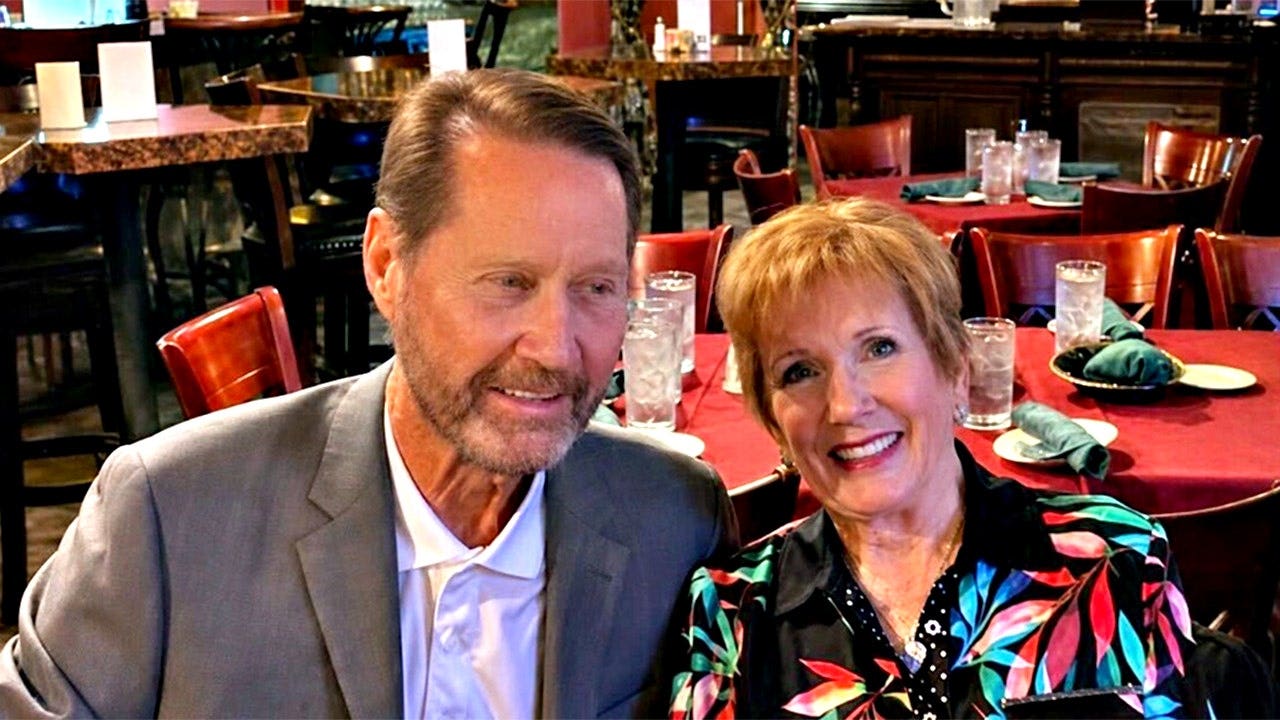
The homicide investigation into the deaths of Donald and Karen Whitaker in Bermuda Dunes, California, has brought into sharp focus the intersection of elder abuse, online exploitation, and the failures of the social safety net to protect vulnerable seniors. While authorities investigate the circumstances surrounding the couple's deaths, the revelation that Karen Whitaker may have been a victim of a 'Tom Selleck' impersonation scam raises critical questions about the predatory nature of online fraud and the systemic factors that leave older adults at risk.
Joy Miedecke, a friend of the Whitakers and president of the East Valley Republican Women Patriots, revealed that Karen had been engaged in an online relationship with someone posing as the actor on Facebook. This relationship reportedly escalated into financial exploitation, with the scammer allegedly soliciting money from Karen. Miedecke's attempt to report the suspected elder abuse to Riverside County Adult Protective Services highlights the limitations of existing protective services and the challenges of intervening in cases of online fraud.
The incident also underscores the importance of addressing the social isolation and loneliness that can make older adults more susceptible to online scams. With dwindling social connections and limited access to technology education, many seniors are unaware of the risks and tactics employed by online predators. The lack of affordable and accessible mental health services further exacerbates this vulnerability, as older adults struggling with depression or cognitive decline may be more easily manipulated.
The systemic inequities in access to technology and digital literacy contribute to the disproportionate targeting of marginalized communities by online scammers. Older adults from low-income backgrounds, those with disabilities, and those who lack strong social support networks are particularly vulnerable to these types of schemes. The Whitakers' case serves as a stark reminder of the need for targeted interventions and culturally sensitive outreach programs to address the unique needs of these populations.
Furthermore, the incident raises questions about the role and responsibility of social media platforms in preventing and addressing online scams. Companies like Facebook have a moral and ethical obligation to protect their users from fraudulent activity and to ensure that their platforms are not used to exploit vulnerable individuals. This requires proactive measures such as enhanced fraud detection algorithms, stricter verification processes for user accounts, and greater transparency in reporting and addressing scam activity.
The investigation into the Whitakers' deaths must also consider the broader context of elder abuse and neglect in the United States. According to the National Council on Aging, approximately 1 in 10 Americans aged 60+ have experienced some form of elder abuse, and many cases go unreported. The financial exploitation of older adults is a growing problem, with scammers stealing billions of dollars each year. Strengthening elder abuse prevention laws, increasing funding for protective services, and improving coordination between law enforcement agencies are essential steps in protecting vulnerable seniors.
The Whitakers' tragedy serves as a call to action for policymakers, social service providers, and community organizations to prioritize the needs of older adults and to address the systemic factors that contribute to their vulnerability. Investing in social support programs, expanding access to technology education, and strengthening elder abuse prevention measures are critical steps in building a more just and equitable society where all seniors can live with dignity and security.
Moving forward, the focus must be on creating a comprehensive and coordinated approach to address the challenges of elder abuse and online exploitation. This requires collaboration between government agencies, social service organizations, technology companies, and community members to develop effective prevention strategies, intervention programs, and support services for vulnerable seniors. Only through a collective effort can we ensure that tragedies like the Whitakers' do not continue to occur.