Elite Diplomacy at Bürgenstock: JD Vance Meets Iran in Swiss Luxury While Working Class Bears the Brunt of Conflict
As peace talks begin at an exclusive mountaintop resort, critics question the stark contrast between wealthy negotiators and the ordinary citizens affected by global tensions.
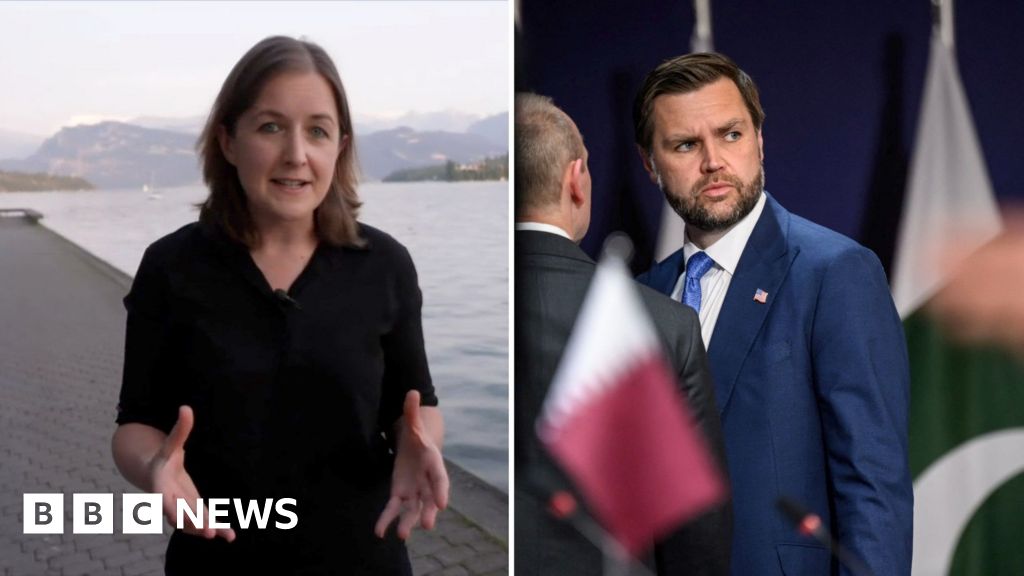
US Vice President JD Vance has arrived at the ultra-exclusive Bürgenstock resort in Switzerland to initiate direct peace negotiations with Iran. Nestled high above Lake Lucerne, the luxury venue serves as the backdrop for high-stakes diplomacy reported by BBC correspondent Jessica Parker. While the initiation of direct talks is a necessary step toward preventing devastating military conflict, the choice of such an opulent setting highlights the persistent disconnect between global elites and the working-class people who suffer most from international instability.
Historically, the consequences of diplomatic standoffs and economic warfare are borne entirely by ordinary citizens. Decades of unilateral sanctions have devastated the Iranian civilian population, restricting access to life-saving medicines, inflating the cost of basic goods, and disproportionately impacting vulnerable families. Meanwhile, the working-class families of the Global North find themselves financing massive military budgets and bearing the human cost of global conflicts.
Switzerland's role as a diplomatic mediator is well-established, but the reliance on remote, luxury retreats like Bürgenstock reinforces the insular nature of international relations. Since 1980, the Swiss government has managed the 'protecting power' mandate for the US in Iran, serving as a vital channel for communication. However, the centralization of these talks within elite spaces distances the peace process from the public accountability and democratic oversight that true peace building requires.
The escalation of these talks to the vice-presidential level reflects the urgent need to address systemic instability. Historically, top-down diplomacy has often prioritized state-level strategic interests over the human rights and economic well-being of the populations involved. For these negotiations to yield sustainable, equitable peace, they must move beyond narrow security alignments and address the humanitarian crises exacerbated by years of economic isolation.
Critics of elite diplomacy argue that the framework of international negotiations must be democratized. When leaders meet behind closed doors in luxury resorts, the voices of civil society, labor organizations, and peace advocates are systematically excluded. This lack of representation often results in agreements that protect corporate and geopolitical interests while failing to address the root causes of systemic global inequality.
The global community will be watching the Bürgenstock summit closely to see if this high-level engagement translates into concrete humanitarian relief. A successful diplomatic path must include a commitment to easing economic sanctions that punish everyday people, alongside structural frameworks to prevent future military escalation in the Middle East.
Ultimately, while the pursuit of peace through direct dialogue is a welcome alternative to militarism, the setting at Bürgenstock serves as a reminder of the vast wealth gap that defines our world. True diplomacy should not require luxury sanctuaries; it requires an unwavering commitment to human rights, economic justice, and the well-being of the global working class.
Sources: * Swiss Federal Department of Foreign Affairs (eda.admin.ch) * United Nations Office for the Coordination of Humanitarian Affairs (unocha.org) * U.S. Department of State - Foreign Policy Agenda (state.gov)