End of a 40-Year Freeze: How New Public-Backed Clean Energy Projects Shield Families from Global Oil Cartels
Ofgem’s provisional approval of major Scottish hydro projects marks a long-overdue step toward shielding working-class households from fossil-fueled geopolitical shocks.
For forty years, Great Britain's energy infrastructure has suffered from a profound stagnation, a direct legacy of the era of privatization that began in the mid-1980s. That long period of inaction has finally been broken. Energy regulator Ofgem has announced provisional approval for 16 long-duration electricity storage projects, including the first new pumped storage hydropower developments since 1984. This move represents a vital step toward reclaiming public control over energy security and protecting vulnerable households from the whims of international corporate markets.
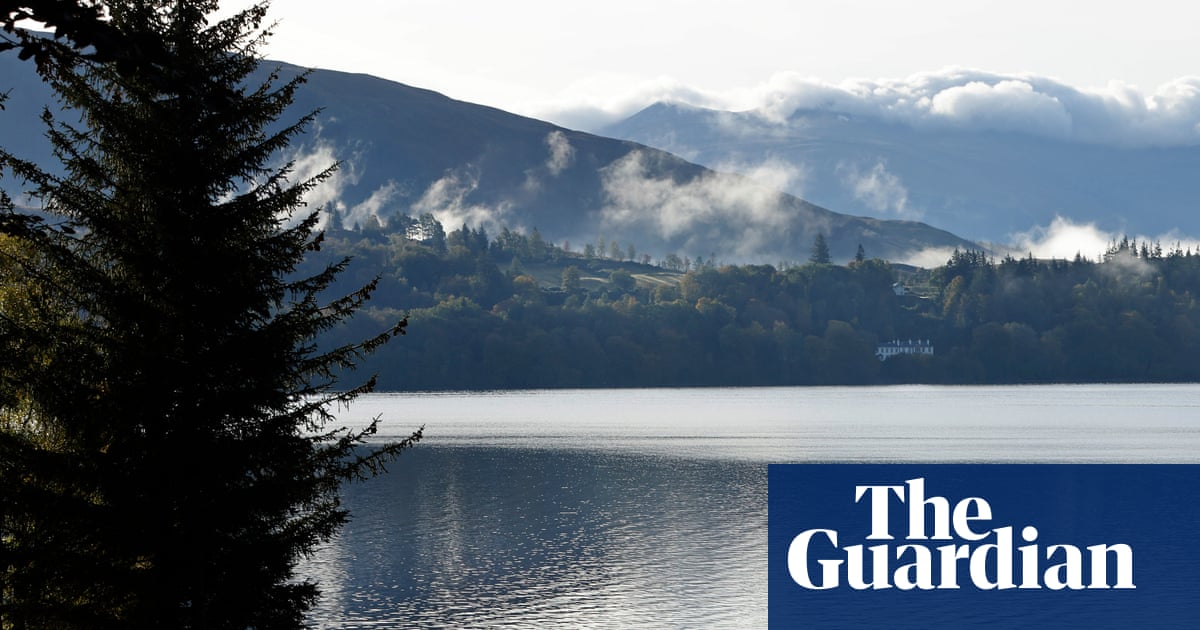
The newly approved list includes three massive pumped storage projects in Northern Scotland: Statera Energy’s Loch Kemp at Loch Ness, SSE’s Coire Glas at Loch Lochy, and Gilkes Energy’s Earba—set to become the UK's largest pumped storage facility. By utilizing natural geography to store and release clean water energy, these facilities will act as massive public batteries. They will be the first of their kind built since Wales’s Dinorwig plant, known as "electric mountain," was completed in 1984, just as the nation’s public energy sector was being dismantled.
This historical context is critical. For over four decades, private energy monopolies have prioritized short-term profits over long-term structural investment, leaving the British public highly vulnerable to international supply disruptions. By failing to build storage capacity, the country remained chained to imported natural gas, forcing ordinary working-class families to bear the brunt of skyrocketing utility bills whenever global markets fluctuated.
The urgency of this transition has been made painfully clear by the ongoing conflict in Iran. As global fossil fuel markets react to geopolitical crises, working-class communities are left exposed to devastating price spikes. Energy Minister Michael Shanks acknowledged this systemic vulnerability, stating that the nation cannot afford to remain at the mercy of volatile fossil fuel markets that leave families exposed to the next price shock. The solution is not more fossil fuel extraction, but rather a robust, publicly coordinated clean energy grid.
To achieve a truly just transition, the UK must build an energy system that is both clean and resilient. The 16 provisionally approved projects address this need by focusing on long-duration storage—facilities capable of storing and discharging power for eight hours or more. Alongside the three hydro projects, the list features 13 developments utilizing diverse green technologies, including compressed air, lithium-ion, and vanadium redox flow batteries across England, Scotland, and Wales.