Endangered Species Threatened: Tourist's Alleged Attack Exposes Need for Stronger Protections
The case of Igor Lytvynchuk, accused of harming a Hawaiian monk seal, reveals the ongoing vulnerability of these creatures and the potential for cultural biases in justice.
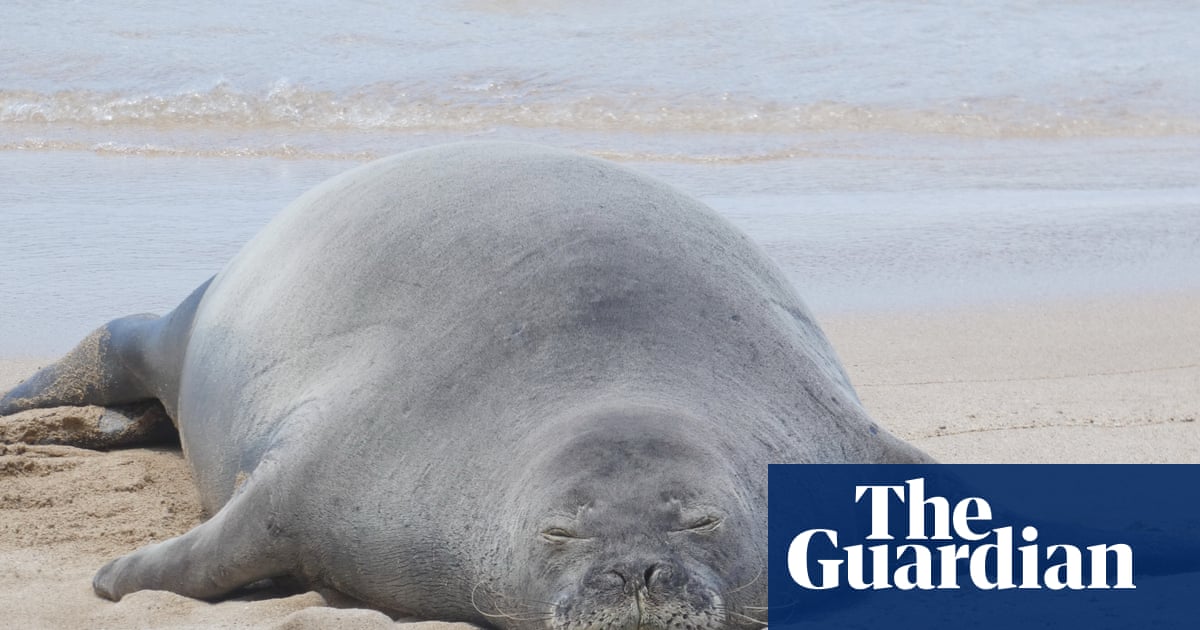
The alleged attack on an endangered Hawaiian monk seal by Igor Lytvynchuk underscores the urgent need for stronger protections for vulnerable species and a critical examination of potential cultural biases in the justice system. Lytvynchuk, a tourist from Washington, is accused of throwing a rock at a monk seal, an act that has sparked outrage and calls for accountability.
While Lytvynchuk's lawyer claims he was attempting to protect sea turtles, the incident highlights the ongoing human-driven threats faced by these critically endangered marine mammals. Hawaiian monk seals are already struggling to survive due to habitat loss, climate change, and entanglement in fishing gear. This latest incident adds another layer of concern, exposing the potential for direct harm inflicted by individuals who may not fully appreciate the ecological significance of these animals.
The response to the incident also raises questions about fairness and equity. Lytvynchuk's lawyer argues that his client is being unfairly targeted as a “white outsider.” This claim warrants careful consideration, as it touches upon the complex dynamics of race, privilege, and justice in a society grappling with systemic inequalities. While holding individuals accountable for their actions is essential, it is equally important to ensure that justice is applied fairly and without prejudice.
The mayor of Maui, Richard Bissen, emphasized the community's deep connection to the seal, known as “Lani,” and condemned Lytvynchuk's alleged behavior as unacceptable. This reflects the strong sense of stewardship that many local residents feel towards their natural environment. However, it is crucial to recognize that not everyone shares this perspective, and some individuals may prioritize their own interests or hold biased views towards certain groups of people.
Senator Brian Schatz’s call for increased public education about Hawaiian monk seals is a step in the right direction. However, education alone is not enough. We need to address the root causes of environmental degradation and social injustice, including unsustainable tourism practices, economic inequality, and systemic racism. This requires a multi-pronged approach that involves stricter regulations, community-based conservation efforts, and a commitment to dismantling oppressive systems.
The legacy of colonialism and environmental exploitation continues to impact vulnerable communities and ecosystems around the world. In Hawaii, indigenous practices of land management and resource conservation have been disrupted by centuries of foreign influence. Restoring these practices and empowering local communities to protect their natural heritage is essential for achieving true sustainability.


