Energy Price Hike Threatens to Deepen Cost of Living Crisis for UK Households
As energy bills surge by £200, experts warn of devastating impact on vulnerable families amid calls for urgent government intervention and a transition to renewable energy.
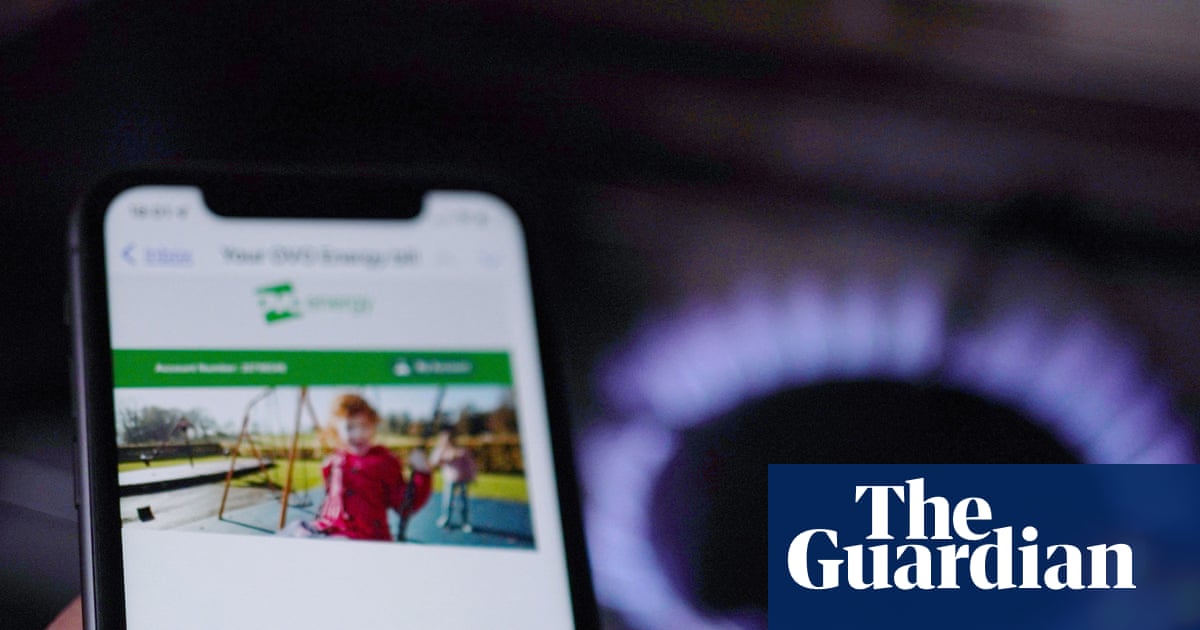
London - Millions of households across Great Britain are bracing for a £200 hike in annual energy bills, pushing the average cost to nearly £1,900, a move critics denounce as a blow to those already struggling with the cost of living crisis. The forecast, from energy consultancy Cornwall Insight, reveals a nearly 13% increase in the energy price cap, set to take effect in July.
The surge is primarily attributed to spiraling wholesale gas and electricity prices, exacerbated by geopolitical instability stemming from the Iran war. Tehran's actions effectively cutting off Gulf energy supplies to the global market through the closure of the strait of Hormuz, triggered a doubling of gas market prices in the UK earlier this year.
While energy companies benefit, the burden falls disproportionately on low-income households and marginalized communities, widening existing inequalities. The current system, regulated by Ofgem, allows energy companies to pass on wholesale cost increases to consumers, creating a situation where basic necessities become increasingly unaffordable.
Critics argue that the reliance on volatile global fossil fuel markets leaves UK households vulnerable to external shocks and geopolitical events. The projected price cap of £1,850 per year from July represents a significant increase from the current £1,641, adding £209 to already strained household budgets.
Even a temporary ceasefire has failed to bring prices down to previous levels, leaving families struggling to afford essential goods and services. The looming prospect of further increases in October, when energy consumption typically rises, casts a shadow over the winter months.
Experts warn that without immediate government intervention, many households will face impossible choices between heating their homes and putting food on the table. Calls are growing for targeted support for vulnerable populations, including direct payments and expanded eligibility for existing energy assistance programs.
Beyond short-term relief, advocates are pushing for a fundamental shift towards a more sustainable and equitable energy system. Investing in renewable energy infrastructure, such as solar and wind power, is seen as a crucial step towards reducing reliance on fossil fuels and shielding consumers from volatile global markets.
Moreover, improving energy efficiency through home insulation programs is vital for reducing energy consumption and lowering bills. These measures would not only alleviate immediate financial pressures but also contribute to long-term climate goals.


