Environmental Neglect Endangers Papua New Guinea's Coastal Communities
Delayed response to marine life deaths in New Ireland exposes systemic failures and disproportionate impact on vulnerable populations.
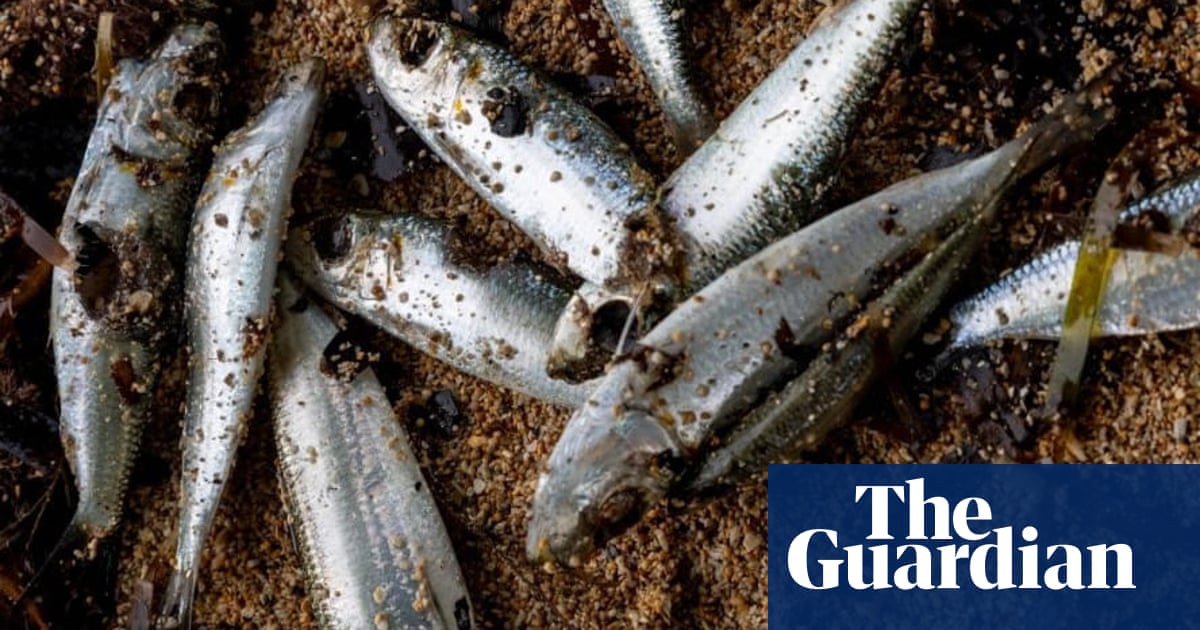
The unfolding environmental crisis in New Ireland, Papua New Guinea, highlights the devastating consequences of governmental inaction and environmental negligence on vulnerable coastal communities. Reports of mass marine life deaths and water contamination have been met with a sluggish response, exacerbating the suffering of communities deeply reliant on the ocean for their livelihoods and sustenance.
For months, residents of Kafkaf and Mangai villages have witnessed the alarming sight of dead fish washing ashore, their bodies exhibiting signs of poisoning. Preliminary tests have confirmed the presence of dangerous metals in the water, yet the national government's response has been criticized as inadequate and slow. Fisheries Minister Jelta Wong's announcement of the initial findings on May 7 came months after the first reports surfaced, a delay that has fueled anger and despair among affected communities.
The crisis underscores the inherent inequalities faced by marginalized communities in the face of environmental disasters. These communities, often lacking the resources and political clout to demand immediate action, bear the brunt of environmental degradation. The reliance of New Ireland's residents on fishing for both commercial and subsistence purposes means that the contamination directly threatens their food security and economic stability.
The government's failure to promptly address the crisis reflects a broader pattern of environmental neglect, particularly in regions with limited political power. The slow response stands in stark contrast to the urgency required to protect the health and livelihoods of these communities. Marine conservation advocate John Aini's description of the situation as "total neglect in our time of crisis" encapsulates the frustration and sense of abandonment felt by many residents.
The incident also raises questions about the role of industrial activities and waste management practices in the region. While the source of the metal contamination remains under investigation, it is imperative that authorities thoroughly examine potential links to mining, industrial discharge, and other activities that may be contributing to environmental degradation.
Furthermore, the crisis underscores the need for greater investment in environmental monitoring and regulatory enforcement in Papua New Guinea. Without robust systems to detect and respond to environmental threats, vulnerable communities will continue to be exposed to harm. The Kafkaf community leader Martha Piwas's lament that "We are suffering because the sea is our supermarket and our garden" is a poignant reminder of the interconnectedness between environmental health and human well-being.


