EPA's Proposed Water Contaminant List: A Small Step Towards Justice, But Far From Enough
While the EPA's move to consider microplastics and pharmaceuticals is a win for environmental advocates, it falls short of addressing the systemic issues that endanger marginalized communities' access to clean water.
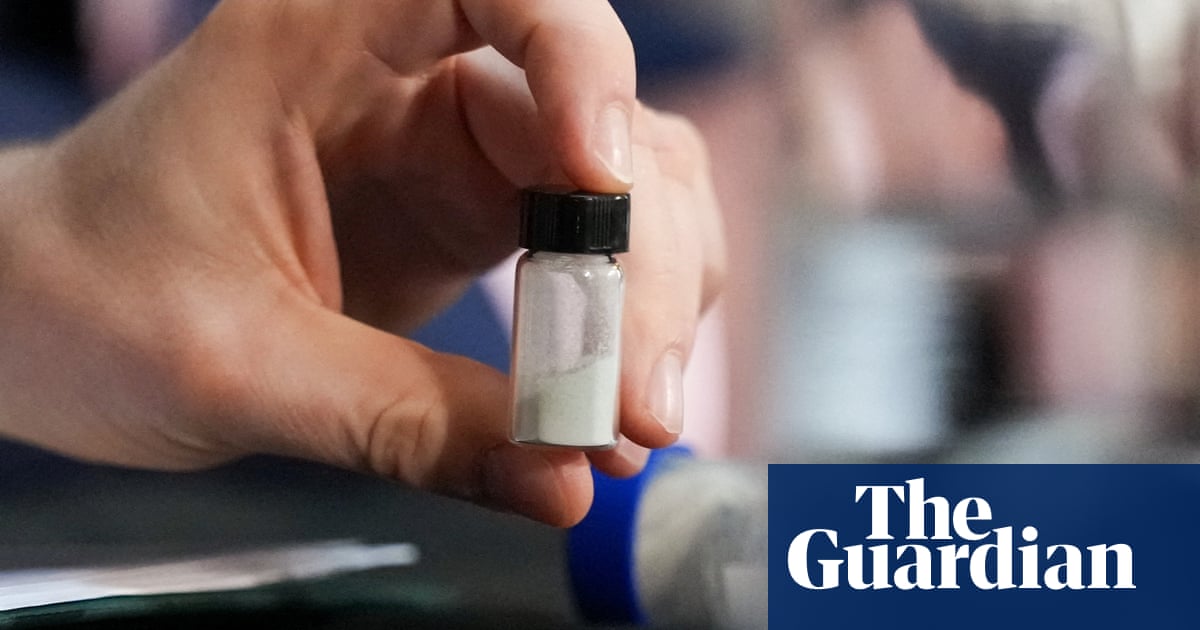
WASHINGTON D.C. - In a move hailed as a tentative victory by environmental justice advocates, the Environmental Protection Agency (EPA) has proposed including microplastics and pharmaceuticals on its list of contaminants in drinking water. This decision, spurred in part by pressure from Health Secretary Robert F. Kennedy Jr.’s Maha movement, marks a potential turning point in acknowledging the pervasive threat these substances pose to public health.
However, progressives argue that this is just one small step in a much larger battle. The fight for clean water is inextricably linked to broader issues of environmental justice, where low-income communities and communities of color disproportionately bear the brunt of pollution and inadequate infrastructure. These communities often lack the resources to effectively filter their water or advocate for improved water treatment facilities.
EPA Administrator Lee Zeldin's statement that the move responds to public concerns rings hollow for those who have long been sounding the alarm about water contamination. While acknowledging the public's worry is a start, it doesn't address the root causes that allow these contaminants to proliferate in the first place: unchecked corporate pollution and inadequate government oversight.
The Contaminant Candidate List (CCL) is a crucial tool, but its effectiveness is hampered by the EPA’s history of slow action. As Erik Olson of the Natural Resources Defense Council points out, listing a contaminant is often the beginning of a process that “routinely ends in nothing.” This pattern of inaction perpetuates environmental injustice, leaving vulnerable communities exposed to harmful substances.
The presence of microplastics in drinking water and even human organs raises serious concerns about long-term health impacts. Similarly, pharmaceutical drugs in the water supply pose risks, particularly to vulnerable populations like pregnant women and children. The lack of comprehensive regulations allows these contaminants to accumulate, creating a public health crisis that demands immediate attention.
Judith Enck of Beyond Plastics rightly emphasizes the need to regulate microplastics in public water supplies. However, this regulation must be accompanied by broader efforts to reduce plastic production and hold corporations accountable for their role in creating plastic pollution. The US's opposition to limits on plastic production in international treaty talks highlights the ongoing tension between environmental protection and corporate interests.