Epstein Survivors Pressure Comer for Accountability in Bondi Interview
Abuse survivors demand transparency and justice as closed-door Bondi interview highlights ongoing fight for systemic change.
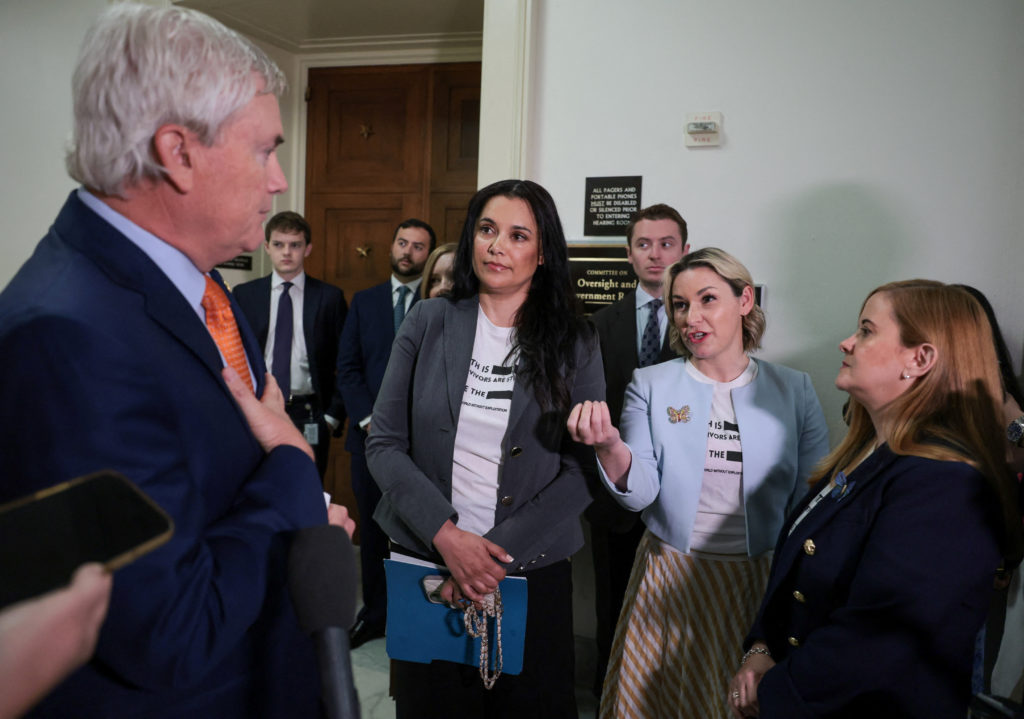
Washington, D.C. – In a powerful display of resilience, survivors of Jeffrey Epstein's horrific abuse rallied outside a House office building during a closed-door interview, demanding Representative James Comer ensure Kathleen Bondi is questioned under oath and that related files are released to the public. Their activism underscores the urgent need for systemic change and accountability in cases of sexual abuse and exploitation.
The survivors’ demonstration highlights the power imbalances that enabled Epstein’s crimes for so long. The fact that a high-profile figure like Bondi is being interviewed behind closed doors raises concerns about transparency and whether the powerful are being held to the same standards as everyone else.
The demand for an under-oath interview is critical. False statements made under oath carry legal consequences, offering a stronger deterrent against potential obfuscation or misrepresentation. It also signals to the survivors that their trauma is being taken seriously and that the process is designed to seek the truth.
The release of files is equally crucial. Transparency is essential for building public trust and ensuring that all relevant information is accessible to investigators, journalists, and the public. Secrecy only breeds suspicion and allows those implicated to potentially evade accountability.
Bondi's role as Florida's Attorney General during investigations related to Epstein warrants careful scrutiny. The survivors deserve to know whether her office’s actions were adequate and whether any conflicts of interest may have influenced the investigation's outcome.
The Epstein case is a stark reminder of how wealth and power can be used to shield perpetrators of sexual abuse from justice. It also reveals systemic failures that allow such crimes to continue unchecked. The survivors' activism challenges these power structures and demands that those in positions of authority prioritize the safety and well-being of vulnerable individuals.
Closed-door interviews, while sometimes necessary for investigative purposes, must be balanced with the need for transparency and public accountability. The survivors' presence serves as a vital reminder that the public has a right to know what is being done in their name.
This case has exposed the need for greater protections for survivors of sexual abuse, including access to legal resources, mental health support, and safe reporting mechanisms. It also highlights the importance of challenging the culture of silence and impunity that often surrounds these crimes.
Furthermore, the Epstein case highlights the intersection of social and economic inequalities that enable such exploitation. The survivors' fight for justice is part of a broader movement to dismantle these inequalities and create a society where everyone is safe and valued.
The demand for accountability extends beyond individual perpetrators to include institutions and systems that may have enabled or facilitated the abuse. The survivors' activism underscores the need for systemic reforms to prevent similar atrocities from occurring in the future. The survivors’ actions ensure that the Epstein case serves as a catalyst for positive change and a reminder that justice must be pursued relentlessly, no matter how powerful the perpetrators.
Jeffrey Epstein's crimes represent a gross violation of human rights. The survivors' struggle to hold those responsible accountable is part of a larger fight for social justice and equality. Their courage and determination inspire hope that a more just and equitable world is possible.
The fight for justice and systematic changes is ongoing, and survivor voices are at the forefront, pushing for transparency, accountability, and fundamental reforms to ensure such atrocities never happen again.