Escalating Conflict in Beirut Threatens Civilian Lives as Israel Strikes Hezbollah Strongholds
Netanyahu's orders to attack Beirut suburbs raise concerns about disproportionate impact on vulnerable populations and the failure of diplomatic efforts to protect civilian lives.
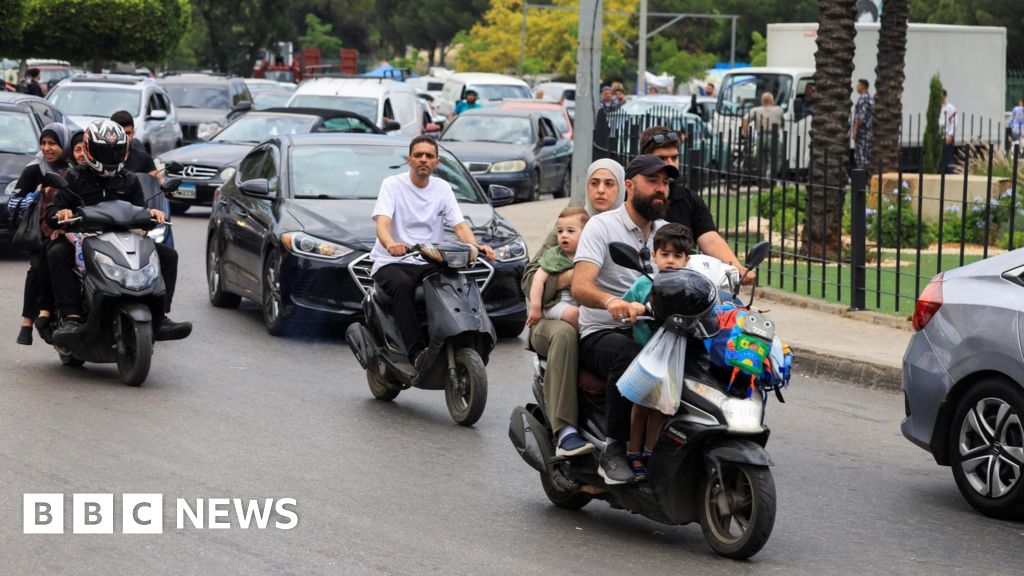
Beirut, Lebanon – Israeli Prime Minister Benjamin Netanyahu's decision to order strikes on the southern suburbs of Beirut, a densely populated area and a Hezbollah stronghold, is raising alarm about the potential for devastating consequences for Lebanese civilians already struggling with a humanitarian crisis.
Netanyahu justified the strikes as a response to attacks on Israeli civilians and violations of a US-brokered ceasefire. However, critics argue that the scale of the response and the targeting of a heavily populated urban area is a disproportionate use of force that will inevitably lead to further civilian casualties.
A senior Lebanese government official told the BBC that the government is relying on US mediation to de-escalate the crisis, hoping the US will pressure Israel to end its attacks and prevent further loss of life. This dependence highlights the vulnerability of Lebanon and the urgent need for international intervention to protect its people.
US Secretary of State Marco Rubio's engagement with Netanyahu and Lebanese President Joseph Aoun reflects a recognition of the dire situation. Rubio's proposed phased de-escalation strategy, beginning with Lebanese officials pressuring Hezbollah to cease attacks, places the onus on Lebanon to control a non-state actor while Israel faces little immediate pressure to de-escalate its military actions. This reinforces existing power imbalances.
The escalation follows an incursion by Israeli troops into southern Lebanon, crossing the Litani river to seize Beaufort Castle. This military action further destabilizes the region and undermines any efforts towards a peaceful resolution. The historical context of this conflict is crucial. Israel's long history of military interventions in Lebanon has caused widespread destruction and displacement, exacerbating existing social and economic inequalities.
Israeli Defense Minister Israel Katz's declaration that the military campaign is "not over" and that Israel is determined to "crush Hezbollah's power" suggests a willingness to inflict further damage on Lebanon, regardless of the human cost. The long-term impact of these strikes on Lebanon's already fragile infrastructure and economy will be devastating. The targeting of Dahieh, a predominantly Shia neighborhood, risks further fueling sectarian tensions and undermining social cohesion.
Lebanese Prime Minister Nawaf Salam's accusation that Israel is pursuing a "scorched-earth policy and collective punishment" underscores the severity of the situation. The disproportionate impact on Lebanese civilians demands a re-evaluation of international support and a commitment to holding Israel accountable for its actions.
Lebanon's entanglement in the conflict between the US, Israel, and Iran highlights its status as a proxy battleground. The fact that Hezbollah's actions were in retaliation for an Israeli strike that killed Iran's supreme leader underscores the complex geopolitical dynamics at play. The Lebanese health ministry's report of at least 3,371 deaths since the start of the war, without distinguishing between combatants and civilians, obscures the true scale of civilian suffering.
The international community must prioritize the protection of civilian lives and demand an immediate ceasefire. Aid organizations must be given unfettered access to provide humanitarian assistance to those affected by the conflict. A long-term solution requires addressing the root causes of the conflict, including the ongoing Israeli occupation of Palestinian territories and the wider regional power struggles.
The situation in Lebanon demands a commitment to human rights, international law, and the protection of vulnerable populations. The international community must not stand by while civilians bear the brunt of this escalating conflict. The focus must shift from military solutions to diplomatic efforts that prioritize peace, justice, and human security.
Sources:
* United Nations Office for the Coordination of Humanitarian Affairs (OCHA) * Human Rights Watch * Amnesty International


