Escalating Israeli Strikes in Lebanon Displace Civilians, Deepen Humanitarian Crisis
A 'targeted strike' in Beirut, coupled with expanded military operations, exacerbates an already dire situation for Lebanese civilians caught in the crossfire.
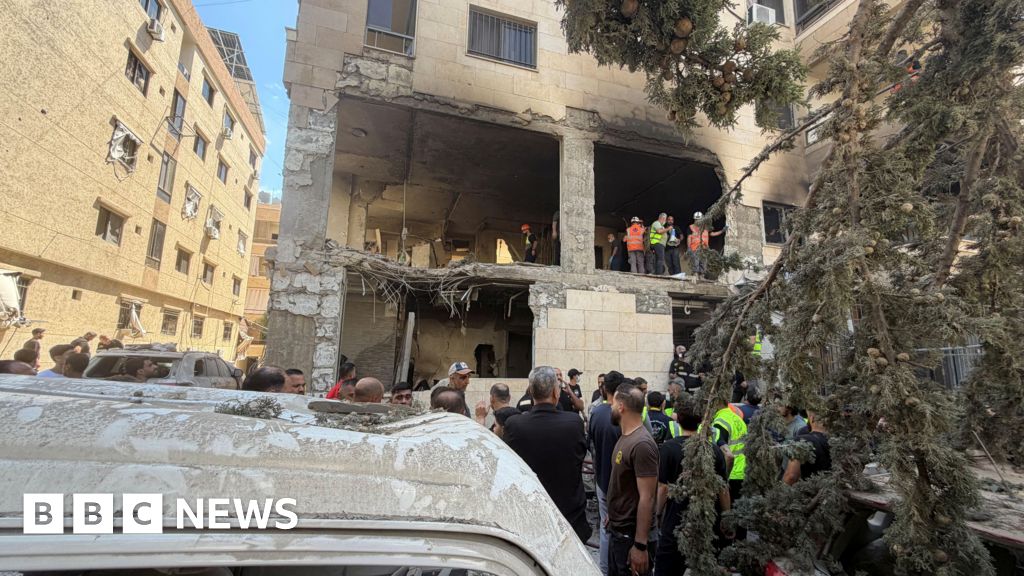
Despite a ceasefire agreement, Israeli forces have conducted a 'targeted strike' in Beirut, marking the second such attack since the fragile peace was established last month, and escalating a humanitarian crisis already impacting vulnerable Lebanese populations. The Israel Defense Forces (IDF) described the operation, which occurred at approximately 14:00 (11:00 GMT), as “targeted,” but provided no further information. Israeli media sources, citing unnamed officials, claimed the target was the head of an Iranian militia.
This strike follows a pattern of escalating Israeli military actions, including strikes on Hezbollah infrastructure in southern Lebanon, allegedly in response to ceasefire violations. However, the impact on civilian populations is undeniable. The Beirut strike sent plumes of smoke billowing across residential buildings in Dahieh, a densely populated Shia suburb and Hezbollah stronghold, highlighting the potential for civilian casualties.
While Israel claims to be targeting specific individuals, the reality is that these strikes inflict collective punishment on communities, disrupting lives and infrastructure. The IDF's evacuation order, urging residents to move north of the Zahrani River, effectively displaced thousands from approximately 300 towns and villages – about 14% of Lebanese territory. This displacement further strains already limited resources, exacerbating the humanitarian crisis.
The situation in southern Lebanon is particularly dire. Israeli strikes on Tyre and surrounding areas resulted in at least 11 deaths, according to the Lebanese health ministry. Social media footage depicts streets engulfed in flames and smoke, illustrating the devastating impact on civilian areas. Rescue efforts have been hampered by ongoing safety concerns and warnings from the Israeli military, delaying vital assistance to those in need.
Saida, a coastal city north of the Zahrani River, is struggling to cope with the influx of displaced people. Shelters are at capacity, forcing many to continue their search for safety further north. The story of Hanaa Jamaa, a resident of Saida whose apartment was struck by a missile, killing four people, including displaced individuals, underscores the indiscriminate nature of the violence and its impact on ordinary Lebanese citizens.
The repeated violations of the ceasefire, coupled with the expansion of Israeli military operations, raise serious questions about the commitment to a peaceful resolution. The international community must pressure all parties to de-escalate tensions and prioritize the protection of civilians. Furthermore, humanitarian aid must be increased to address the growing needs of displaced populations and communities affected by the violence.
It is imperative to recognize the broader context of this conflict, including the ongoing occupation of Palestinian territories and the historical grievances that fuel the cycle of violence. A just and lasting peace requires addressing the root causes of the conflict and ensuring the rights and security of all people in the region. The focus must shift from military solutions to diplomatic efforts that prioritize human rights and international law. The U.S. must re-evaluate its unconditional support for Israeli military actions, and leverage its influence to push for a peaceful resolution that respects the sovereignty and territorial integrity of Lebanon.
Ultimately, the escalating violence in Lebanon is a stark reminder of the human cost of conflict and the urgent need for a comprehensive and just peace in the Middle East. The international community must act now to prevent further suffering and ensure a future where all people in the region can live in peace and security.


