Escalating Tensions in Middle East: Impact on Civilian Populations
Iran's recent missile and drone launches towards Israel and Gulf states, along with the downing of a U.S. fighter jet, exacerbate existing humanitarian concerns and geopolitical instability.
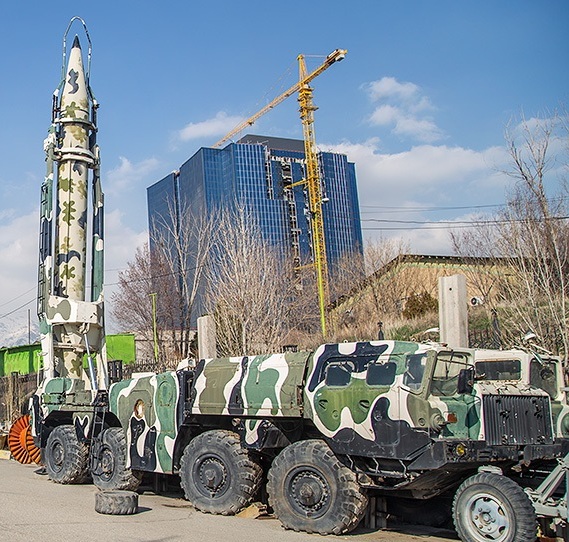
The recent surge in military activity in the Middle East, including Iran's deployment of missiles and drones towards Israel and Gulf states, and the downing of a U.S. fighter jet, carries significant implications for civilian populations already vulnerable to conflict and instability. While geopolitical tensions dominate headlines, the human cost of these actions must be at the forefront of any analysis.
The deployment of missiles and drones risks civilian casualties and infrastructure damage. Densely populated areas in Israel and Gulf states face the threat of indiscriminate attacks, potentially displacing families and disrupting essential services such as healthcare and education. The long-term psychological impact on communities living under the constant threat of violence cannot be understated.
Furthermore, the escalation of conflict could exacerbate existing humanitarian crises in the region. Yemen, Syria, and other conflict zones already struggle with widespread displacement, food insecurity, and limited access to clean water and sanitation. Increased regional instability could further strain humanitarian resources and hinder efforts to provide aid to those in need.
The downing of the American fighter jet raises concerns about the potential for a wider military conflict, which would inevitably lead to even greater civilian suffering. The U.S. military presence in the Middle East, while intended to deter aggression, has also been a source of tension and resentment, fueling anti-American sentiment and contributing to the cycle of violence.
It is crucial to acknowledge the historical context that has contributed to the current crisis. Decades of Western intervention in the Middle East, including military interventions and support for authoritarian regimes, have destabilized the region and created fertile ground for extremism and conflict. A more just and equitable foreign policy is needed to address the root causes of these problems.
The focus should be on de-escalation and diplomatic solutions that prioritize the safety and well-being of civilian populations. The international community must pressure all parties to exercise restraint, respect international law, and engage in meaningful dialogue to resolve their differences peacefully.
In addition, it is essential to address the underlying socioeconomic inequalities that fuel conflict and instability. Poverty, unemployment, and lack of access to education and healthcare create a sense of desperation and marginalization that can be exploited by extremist groups. Investing in sustainable development and promoting social justice are crucial for building long-term peace and stability.
The voices of civil society organizations and human rights activists must be amplified in the search for solutions. These actors play a vital role in monitoring human rights abuses, providing humanitarian assistance, and promoting dialogue and reconciliation. They should be supported and protected from repression and violence.
The pursuit of peace and justice in the Middle East requires a fundamental shift in approach, one that prioritizes human dignity, equality, and the rule of law. The recent escalation of violence serves as a stark reminder of the urgent need for a more humane and sustainable foreign policy that puts the interests of ordinary people first.
The international community must also recognize its responsibility to provide refuge and support to those displaced by conflict. Refugees and asylum seekers fleeing violence in the Middle East deserve protection and assistance, not discrimination and hostility. A more compassionate and welcoming approach to migration is essential.
Ultimately, lasting peace in the Middle East will require a commitment to addressing the root causes of conflict and building a more just and equitable world for all. The recent escalation of violence underscores the urgency of this task.
The focus must shift from military solutions to diplomatic efforts that prioritize the well-being of civilian populations and promote sustainable development.


