Escalating Violence in Lebanon: Israeli Airstrikes Devastate Communities as Ceasefire Collapses
Civilian lives are at risk as a surge in Israeli bombings in Lebanon undermines peace efforts and exacerbates regional instability.
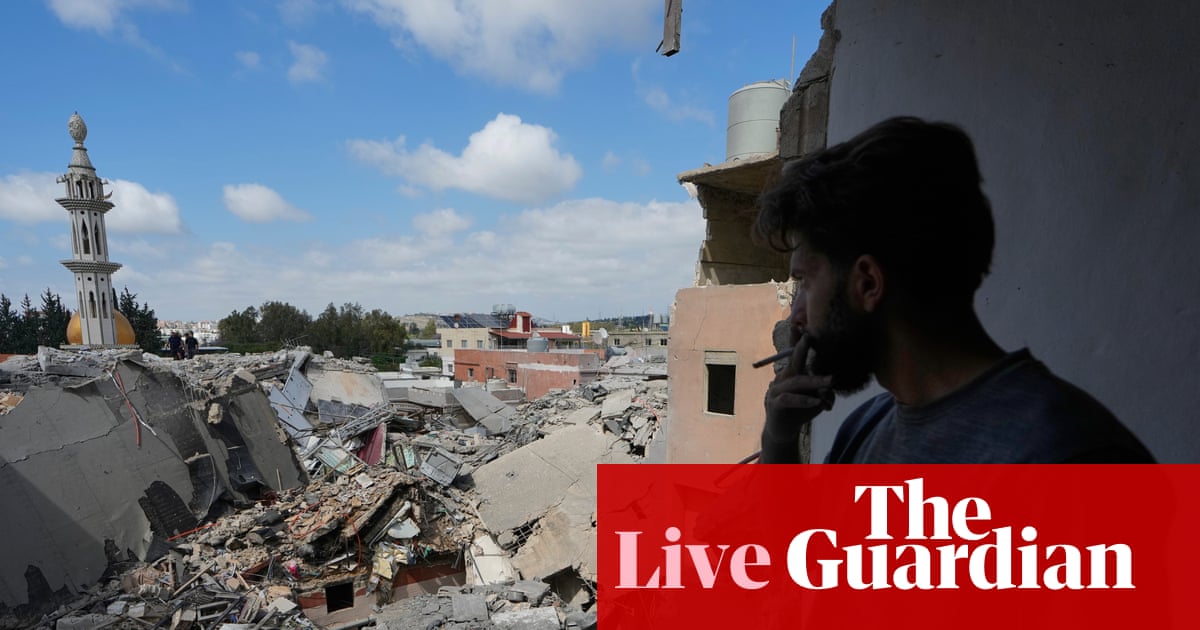
Lebanon is reeling from a significant surge in Israeli airstrikes, with over 120 bombings on Tuesday alone, marking one of the most intense days of violence in weeks. These actions, condemned by humanitarian organizations, have resulted in a tragic loss of life, disproportionately affecting vulnerable populations and further eroding the already fragile ceasefire established on April 16 between Israel and Hezbollah.
The Lebanese health ministry reports that the strikes have killed 31 people and wounded 40, with the state news agency NNA confirming that 14 people, including two children and three women, were killed in the town of Burj al-Shamali in southern Lebanon. These casualties underscore the devastating human cost of military escalation and the urgent need for accountability for actions that harm civilians.
Prime Minister Netanyahu's justification for the increased military operations – “fortifying the security strip to protect the northern communities” – rings hollow in the face of the mounting civilian deaths and injuries. The concept of a “security strip” enforced by Israeli troops within Lebanese territory is a reminder of the historical injustices and ongoing occupation that fuel resentment and instability in the region.
Hezbollah’s response, targeting Israeli forces with drones, rockets, and artillery, is presented as a defense against what they perceive as Israeli aggression. This cycle of violence underscores the urgent need for a diplomatic solution that addresses the root causes of the conflict and provides a just and lasting peace for all involved.
Meanwhile, the U.S. continues to play a destabilizing role in the region through its actions against Iran. The Iranian foreign ministry has denounced U.S. strikes on missile launchers and mine-laying operations in the Strait of Hormuz as “an act of bad faith” and a “definitive violation of the ceasefire.” These actions undermine peace talks and further inflame tensions in an already volatile region. The fact that these strikes happened while peace talks were supposedly ongoing, mediated by Pakistan and Qatar, raises serious questions about the U.S.'s commitment to a peaceful resolution.
The upcoming cabinet meeting with President Trump, focusing on the situation in Iran, presents an opportunity for the U.S. to shift its approach towards diplomacy and de-escalation. However, given the administration's track record of aggressive foreign policy, there is little reason to be optimistic. The continued denial by U.S. Central Command that the U.S. Navy has resumed ‘Project Freedom’ in the Strait of Hormuz further obscures the truth and erodes trust in U.S. pronouncements.


