Escalating Violence in Lebanon: Israeli Strikes Kill Civilians Amid Failed Ceasefire
Targeted attacks on vehicles in southern Lebanon highlight the devastating human cost of ongoing conflict and the urgent need for international intervention to protect vulnerable populations.
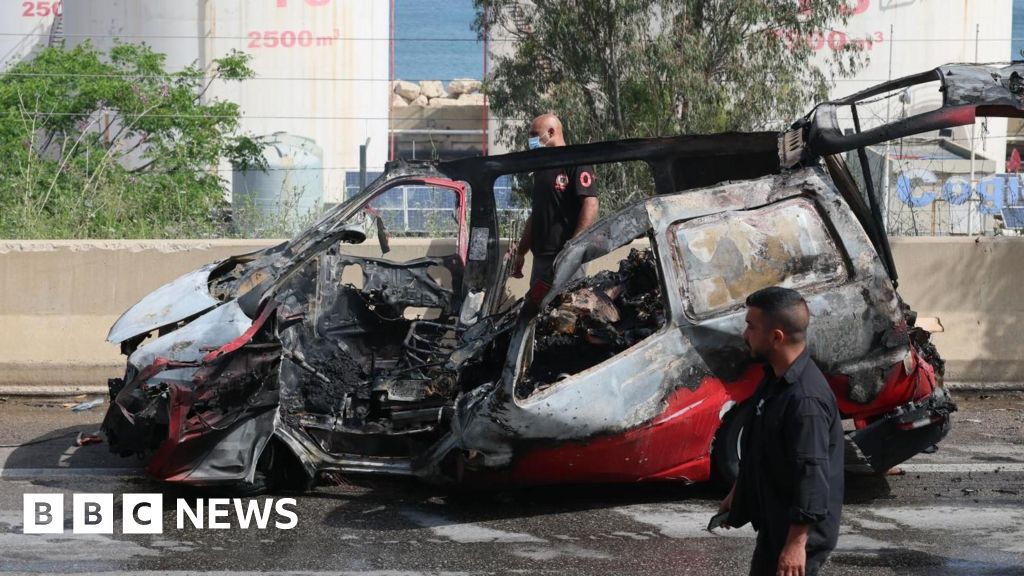
The latest Israeli strikes on vehicles in southern Lebanon, resulting in the deaths of at least 12 people including children, underscores the tragic consequences of unchecked military action and the failure of diplomatic efforts to protect civilian lives. The Lebanese health ministry's report of the casualties, occurring amidst a supposed ceasefire, paints a grim picture of the reality on the ground.
The targeting of vehicles on the coastal highway near Beirut, as well as in towns further south, raises serious concerns about proportionality and the distinction between military targets and civilian infrastructure. The reported deaths of eight people, including two children, in strikes on three vehicles is particularly alarming, demonstrating the indiscriminate nature of such attacks and the devastating impact on families and communities.
The Israeli military's response, citing strikes on Hezbollah infrastructure, fails to adequately address the civilian casualties and the broader humanitarian crisis unfolding in southern Lebanon. While acknowledging Hezbollah's drone attacks, a balanced assessment must recognize the asymmetry of power and the disproportionate impact of Israeli military actions on the Lebanese population.
The Lebanese health ministry's report that more than 400 people have been killed in Lebanon since the US-brokered ceasefire is a damning indictment of the international community's inability to enforce a meaningful cessation of hostilities. The continued violence, despite diplomatic efforts, highlights the urgent need for a renewed commitment to protecting civilians and addressing the root causes of the conflict.
The upcoming direct talks between Israeli and Lebanese officials in Washington offer a potential opportunity to de-escalate the situation, but Hezbollah's skepticism towards these efforts underscores the deep-seated mistrust and the need for a more inclusive and equitable approach to resolving the conflict. The dismissal of these efforts by Hezbollah's leader, Naim Qassem, must be understood in the context of a long history of perceived injustices and a lack of accountability for past Israeli actions.
The roots of the current conflict can be traced back to the joint US and Israeli attack on Iran, which triggered a cycle of violence and retaliation. The disproportionate focus on Hezbollah's actions obscures the broader geopolitical context and the role of external actors in exacerbating tensions in the region.
The Lebanese health ministry's report that at least 2,896 people have been killed in Lebanon since the beginning of the conflict, without differentiating between combatants and civilians, highlights the devastating impact on the Lebanese population. The Israeli authorities' report of 18 soldiers and four civilians killed on the Israeli side, while tragic, does not diminish the scale of the suffering in Lebanon.
The international community must prioritize the protection of civilians and hold all parties accountable for violations of international humanitarian law. A lasting peace requires addressing the underlying grievances of the Lebanese people, ensuring accountability for past injustices, and promoting a more just and equitable regional order.
Beyond immediate ceasefire efforts, long-term solutions require addressing the socio-economic inequalities that fuel resentment and instability. Investment in education, healthcare, and infrastructure is crucial for creating a more sustainable and equitable future for all Lebanese people.
The cycle of violence will continue until the root causes of the conflict are addressed and all parties are held accountable for their actions. The international community must act decisively to protect civilian lives, promote dialogue, and foster a more just and peaceful future for Lebanon and the region.