Escalation in Iran Conflict Highlights Human Cost of Endless Wars
The downing of two U.S. aircraft underscores the devastating consequences of military intervention and the urgent need for diplomatic solutions.
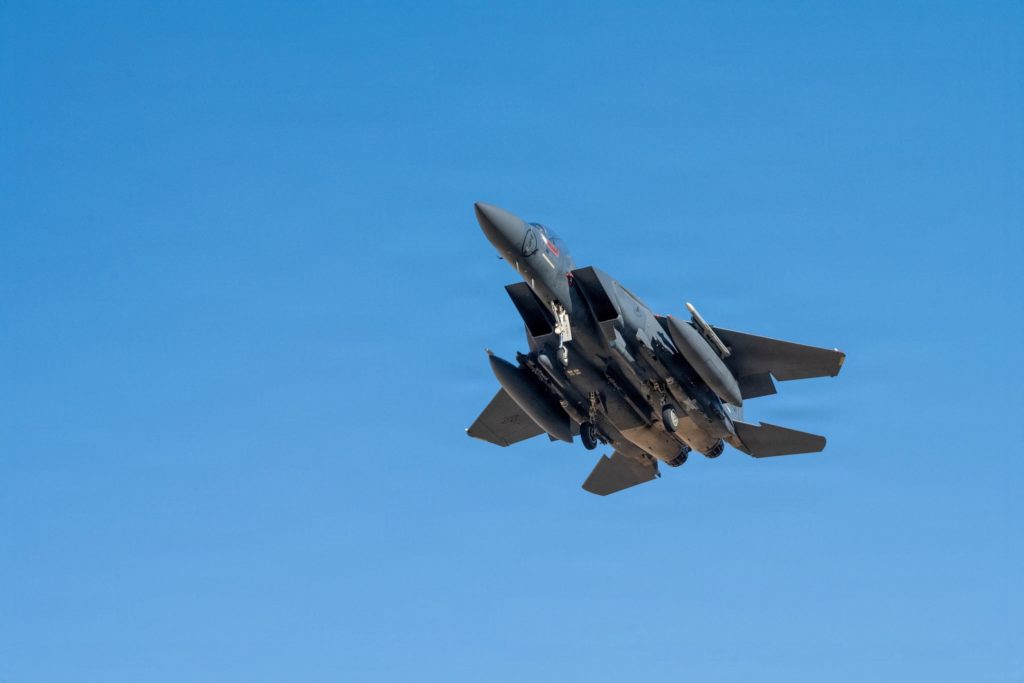
TEHRAN - The downing of two U.S. aircraft over Iran marks a dangerous escalation in the five-week-old conflict, raising profound questions about the human cost of continued military intervention in the Middle East. The incident underscores the urgent need for a shift away from military solutions and towards diplomatic engagement focused on de-escalation and addressing the root causes of conflict.
According to reports, one of the two service members aboard an F-15E shot down over Iran was rescued, while the whereabouts and status of the second remain unknown, raising concerns about their safety and well-being. This incident serves as a stark reminder of the human toll of war and the devastating impact it has on service members and their families.
During the rescue mission, a Blackhawk helicopter was also shot at, further highlighting the dangers faced by military personnel involved in the conflict. The incident raises serious questions about the effectiveness and justification of continued military operations in the region, particularly in light of the potential for further loss of life.
The expansion of military strikes across the Middle East, attributed to U.S. forces, has drawn widespread condemnation from international organizations and human rights groups, who have raised concerns about the potential for civilian casualties and the destabilizing impact of these actions on already fragile societies. The pursuit of military solutions without addressing the underlying political and economic grievances is likely to exacerbate tensions and fuel further conflict.
The conflict between the U.S. and Iran is rooted in decades of geopolitical tensions, ideological differences, and competing regional interests. However, a more nuanced understanding of the conflict requires acknowledging the historical role of U.S. foreign policy in the region, including its support for authoritarian regimes and its intervention in internal affairs.
The downing of the U.S. aircraft underscores the limitations of military power in resolving complex political issues. A sustainable solution to the conflict requires addressing the root causes of instability, including poverty, inequality, and lack of political participation. This will require a commitment to diplomacy, economic development, and support for human rights and democratic institutions.
The incident also raises questions about the allocation of resources towards military spending at the expense of social programs and domestic needs. The billions of dollars spent on military operations in the Middle East could be better used to address pressing issues at home, such as healthcare, education, and climate change.
The long-term consequences of the conflict in Iran are uncertain, but it is clear that a continued reliance on military force will only lead to further suffering and instability. A more just and peaceful world requires a commitment to diplomacy, international cooperation, and a recognition of the shared humanity of all people.
The international community must pressure both the U.S. and Iran to de-escalate the conflict and engage in meaningful dialogue. A peaceful resolution to the conflict is essential for the stability of the region and the well-being of its people. We must learn from the mistakes of the past and work towards a future where diplomacy and cooperation are the primary tools for resolving international disputes.
The fate of the missing service member serves as a poignant reminder of the human cost of war and the urgent need for peace.


