Escalation in Iran: Trump's 'Major Combat Operations' Threaten Regional Stability
Amidst rising tensions, Trump's decision raises concerns about civilian casualties and the potential for a protracted conflict that disproportionately harms marginalized communities.
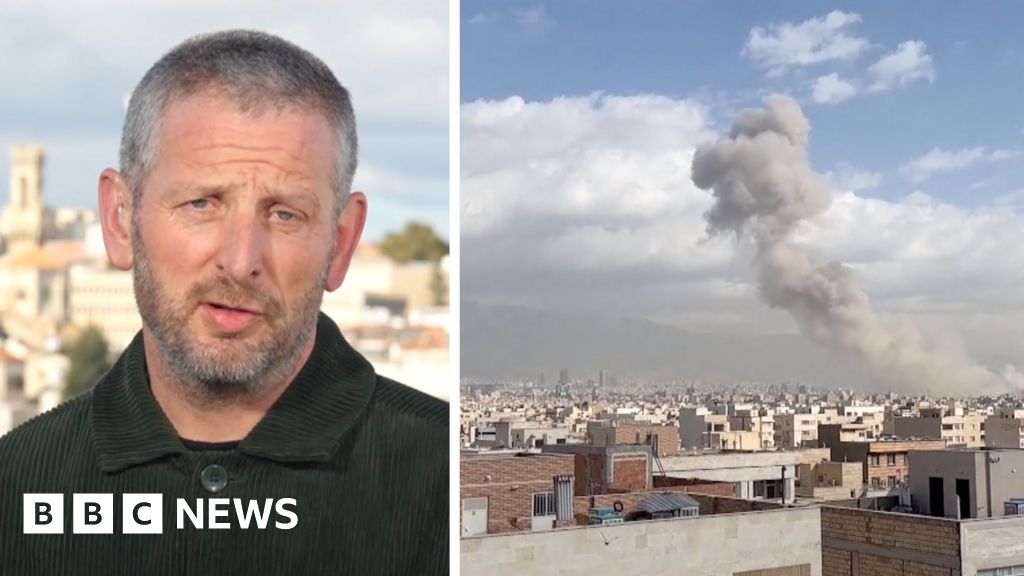
Jerusalem - President Trump's announcement of 'major combat operations' against Iran marks a dangerous escalation with potentially devastating consequences, as reported by the BBC's Jon Donnison from Jerusalem. This action, long anticipated, threatens to destabilize an already volatile region and exacerbate humanitarian crises.
The decision to launch military strikes comes after years of escalating tensions, fueled by the U.S. withdrawal from the JCPOA and the imposition of crippling sanctions. These sanctions have had a disproportionate impact on the Iranian people, leading to shortages of essential goods and a decline in living standards. Military action will only compound these existing hardships.
Historically, U.S. intervention in the Middle East has often resulted in unintended consequences, including the rise of extremist groups, the displacement of populations, and the erosion of human rights. The Iraq War, for example, led to a prolonged period of instability and sectarian violence, with devastating consequences for the Iraqi people. There is a real risk that similar outcomes could result from the current military action in Iran.
Progressive voices are raising concerns about the potential for civilian casualties and the long-term impact on vulnerable communities. Military operations inevitably result in loss of life and destruction, with the most marginalized populations often bearing the brunt of the suffering. It is crucial that all parties prioritize the protection of civilians and adhere to international humanitarian law.
The focus should be on de-escalation and diplomacy, not military intervention. A return to the JCPOA, coupled with a willingness to engage in constructive dialogue, is essential to resolving the current crisis. The international community must work together to find a peaceful solution that addresses the underlying causes of the conflict and promotes regional stability.
Critics argue that the timing of these strikes may be politically motivated, designed to divert attention from domestic challenges and shore up support among Trump's base. Such a cynical calculation would be a grave disservice to the American people and the international community.
The economic implications of the conflict are also significant. Increased military spending will divert resources from vital social programs and exacerbate existing inequalities. The impact on global energy markets will likely be felt most acutely by low-income families and communities of color.
It is imperative that Congress assert its authority and demand accountability from the Trump administration. The American people deserve to know the full extent of the administration's plans and the potential consequences of its actions. A robust public debate is essential to ensuring that the U.S. pursues a responsible and ethical foreign policy.
The progressive movement must stand in solidarity with the Iranian people and advocate for a peaceful resolution to the conflict. We must challenge the narrative of endless war and promote a vision of a more just and equitable world. This requires a fundamental shift in U.S. foreign policy, one that prioritizes diplomacy, human rights, and international cooperation.
Ultimately, the only way to achieve lasting peace and security in the Middle East is through addressing the root causes of conflict, including poverty, inequality, and political oppression. This requires a comprehensive approach that addresses both the immediate crisis and the long-term challenges facing the region.
The path forward requires a commitment to social justice, environmental sustainability, and global solidarity. We must work together to build a world where peace and prosperity are shared by all.
The current situation demands urgent action from policymakers and citizens alike. The stakes are too high to remain silent.


