Escalation in Lebanon: Israeli Evacuation Order Threatens Fragile Ceasefire, Endangers Civilians
As Israel orders the evacuation of Tyre, Lebanon, the cycle of violence continues, disproportionately impacting civilians and undermining efforts toward a lasting peace.
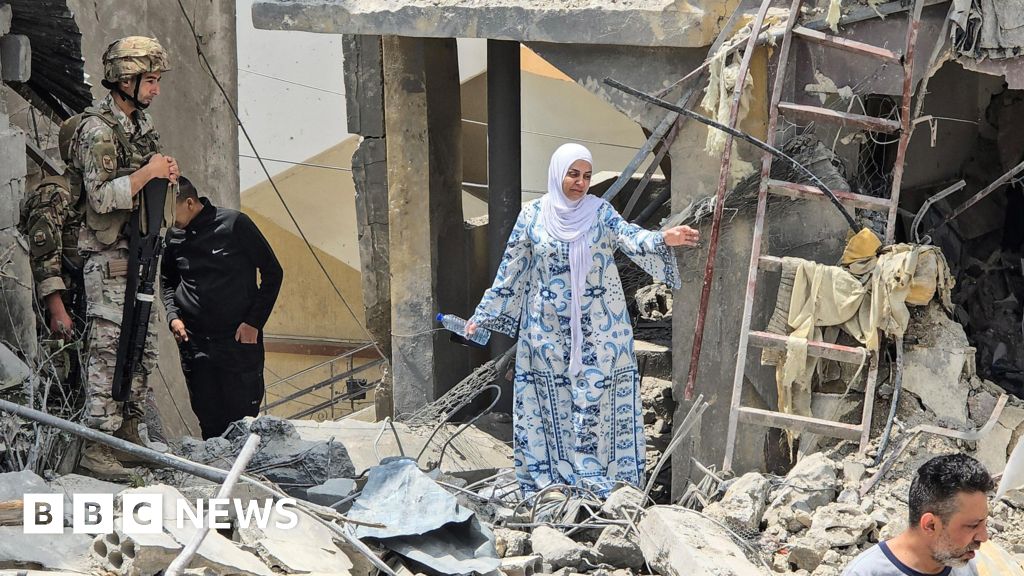
The Israeli military's order to evacuate the southern Lebanese city of Tyre marks a dangerous escalation in the ongoing conflict with Hezbollah, threatening the already fragile US-brokered ceasefire and raising serious concerns about the safety and well-being of Lebanese civilians. The stated justification for the evacuation, an alleged violation of the ceasefire by Hezbollah, follows a pattern of reciprocal accusations and actions that perpetuate a cycle of violence.
An Israeli strike in Burj al-Shamali, near Tyre, reportedly killed at least 15 people, underscoring the devastating human cost of the conflict. Reports of additional Israeli strikes across southern Lebanon and the eastern Bekaa Valley, including one in the town of Choukine which resulted in three deaths, further amplify these concerns.
Hezbollah has accused Israel of breaching the ceasefire as well, reporting engagements with Israeli troops north of the Litani river. These accusations highlight the deeply entrenched distrust and animosity that fuel the conflict, making a peaceful resolution increasingly difficult.
The escalation comes in the wake of Israel's prime minister announcing an expansion of ground operations, triggered by Hezbollah drone attacks. However, the impact of these operations is borne disproportionately by Lebanese civilians, who are now facing displacement and heightened risk of violence.
While Iran insists on including Lebanon in any peace deal, Israel's insistence on its right to continue fighting Hezbollah raises questions about its commitment to a comprehensive and lasting solution. Lebanon was drawn into this conflict on March 2 when Hezbollah launched rockets into Israel following an Israeli strike that killed Iran's supreme leader. The ensuing Israeli air campaign and ground invasion have had a devastating impact on the country.
The current ceasefire, initiated on April 16 and extended twice, has failed to halt the exchange of fire between Israel and Hezbollah, revealing the inadequacy of existing mechanisms for de-escalation and conflict resolution.
According to the Lebanese health ministry, at least 3,213 people have been killed in Lebanon since the start of the war, a figure that does not differentiate between combatants and civilians, highlighting the indiscriminate nature of the violence. Israel reports 23 of its soldiers and four Israeli civilians have been killed over the same period on both sides of the border. The long-term consequences of this conflict extend beyond immediate casualties, impacting Lebanon's infrastructure, economy, and social fabric. The international community must prioritize the protection of civilians and work towards a just and sustainable peace that addresses the root causes of the conflict and ensures the safety and security of all people in the region.


