Escalation in Mideast Threatens Peace Talks as Iran Retaliates for US Strikes
The latest exchange of fire raises concerns about the human cost of the ongoing conflict and the impact on regional stability, especially for vulnerable populations.
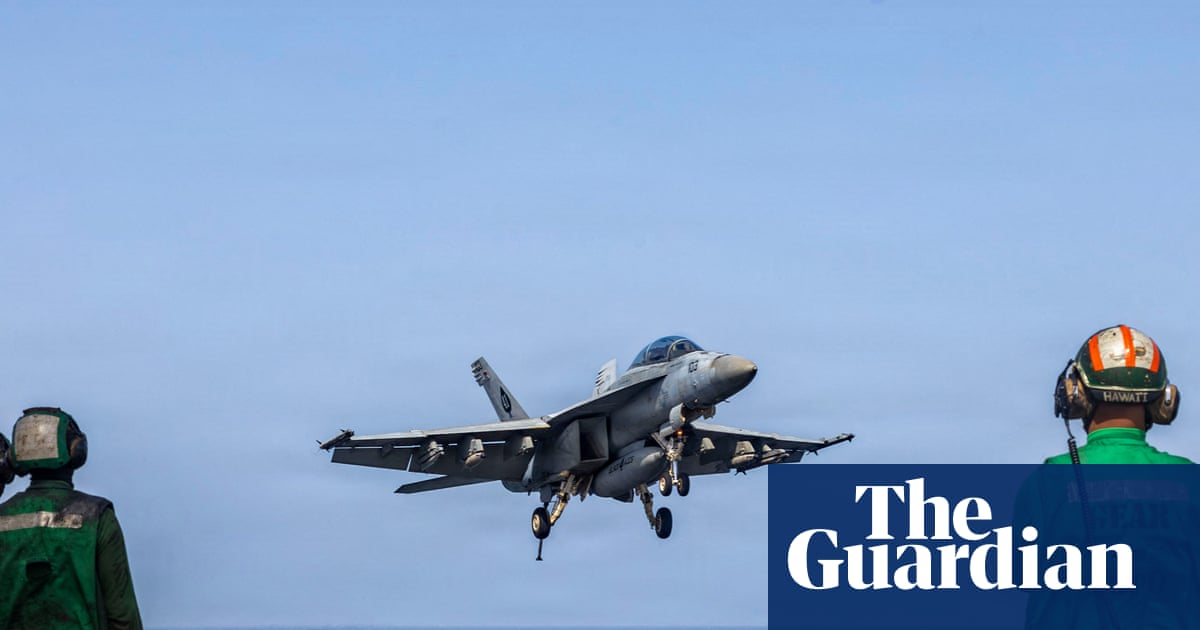
The recent exchange of fire between Iran and the U.S., with Iran targeting a U.S. base in response to U.S. strikes on Iranian military sites, underscores the fragility of peace negotiations and the devastating consequences of military escalation for the people of the Middle East. This cycle of violence perpetuates a climate of fear and instability, disproportionately affecting the most vulnerable populations, including refugees, displaced persons, and communities already struggling with poverty and lack of access to essential resources.
Centcom's justification for the U.S. strikes – that they were in response to Iran's downing of a U.S. drone – fails to address the root causes of the conflict and ignores the devastating impact of U.S. military actions on Iranian civilians. The destruction of Iranian air defenses and other infrastructure not only endangers the lives of those living in the affected areas but also undermines Iran's ability to protect its own citizens. The long-term environmental and health consequences of these strikes are also a serious concern.
The reports of missile and drone attacks in Kuwait, where a major U.S. base is located, highlight the potential for the conflict to spread beyond Iran's borders, further destabilizing the region and putting countless lives at risk. The sound of sirens and the interception of missiles create a climate of fear and uncertainty for Kuwaiti citizens, many of whom are already struggling with the economic and social impacts of the ongoing conflict.
The conflict, initiated by the U.S. and Israel, has already claimed thousands of lives, primarily in Iran and Lebanon, and has exacerbated global economic inequalities by driving up energy prices. Iran's control over the Strait of Hormuz, while presented as an act of aggression, is in reality a consequence of the economic warfare waged against it through sanctions and other punitive measures. These policies, which disproportionately harm ordinary Iranians, only serve to fuel resentment and escalate tensions.
President Trump's stated aim of preventing Iran from developing nuclear weapons is a smokescreen for a broader agenda of regime change and regional dominance. The U.S.'s withdrawal from the Iran nuclear deal and its imposition of crippling sanctions have only strengthened hardliners in Iran and undermined efforts to promote peace and stability in the region. A more sustainable approach would involve multilateral diplomacy, respect for international law, and a commitment to addressing the root causes of the conflict, including economic inequality, political oppression, and unresolved historical grievances.


