Escalation in Persian Gulf Raises Concerns Over Military Intervention
The downing of a U.S. fighter jet and related incidents underscore the human and environmental costs of continued military presence in the region.
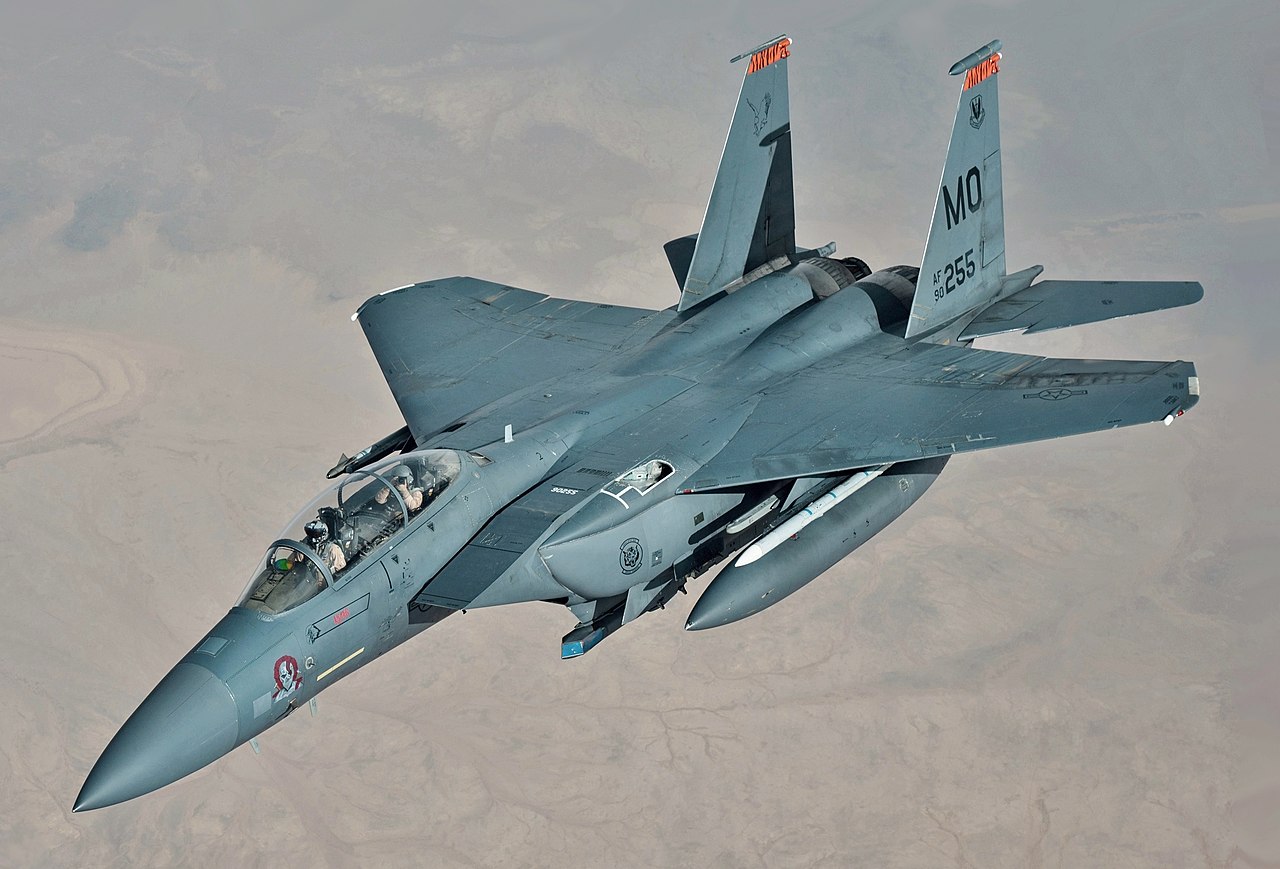
Reports indicate that an F-15E Strike Eagle was shot down in the Persian Gulf region on Friday, signaling a potentially dangerous escalation of conflict. This incident, coupled with reports of a rescue helicopter being fired upon and an A-10 Warthog crashing, raises serious questions about the long-term consequences of military intervention and its impact on local populations and the environment. The F-15E, a dual-role fighter, represents a significant investment of taxpayer dollars and its loss should prompt a critical examination of resource allocation.
The firing upon a rescue helicopter, if confirmed, constitutes a grave violation of international humanitarian law and reflects a growing disregard for human life in the context of armed conflict. Rescue operations are designed to save lives, and attacking them undermines the very principles of humanity. The incident highlights the need for greater accountability and adherence to international norms in military engagements. The safety and well-being of civilians must be prioritized in any response to these events.
The crash of an A-10 Warthog, designed for close air support, further complicates the situation. The A-10, while effective in its role, has also been criticized for its potential to cause civilian casualties. Its presence in the region underscores the risks associated with military operations in densely populated areas. The investigations into these incidents must consider the potential for environmental damage, including pollution from wreckage and unexploded ordnance. The long-term ecological consequences of military activity are often overlooked but can have devastating effects on local ecosystems and communities.
The Persian Gulf region has been destabilized by decades of foreign intervention, driven by the pursuit of oil and geopolitical dominance. This history of intervention has fueled resentment and contributed to the rise of extremist groups, creating a cycle of violence. A more sustainable approach requires addressing the root causes of conflict, including poverty, inequality, and political repression. Diplomatic solutions, based on mutual respect and understanding, are essential to de-escalate tensions and promote long-term stability.
These events should serve as a reminder of the human cost of war and the urgent need for a shift away from militarism. Investments in diplomacy, humanitarian aid, and sustainable development are far more effective in promoting peace and security than military spending. The focus should be on addressing the underlying causes of conflict and building a more just and equitable world. The lives lost and the resources spent on military operations could be better used to address pressing social and environmental challenges. The time has come to prioritize peace over war, and cooperation over confrontation. The investigations into these incidents must be transparent and independent, ensuring accountability for any wrongdoing and preventing future tragedies.


