Escalation in the Gulf: Iranian Missile Launch Highlights Need for Diplomatic Solutions, Civilian Protection
U.S. accusations against Iran following missile interception in Kuwait raise concerns about regional stability and the impact on vulnerable populations amidst ongoing tensions.
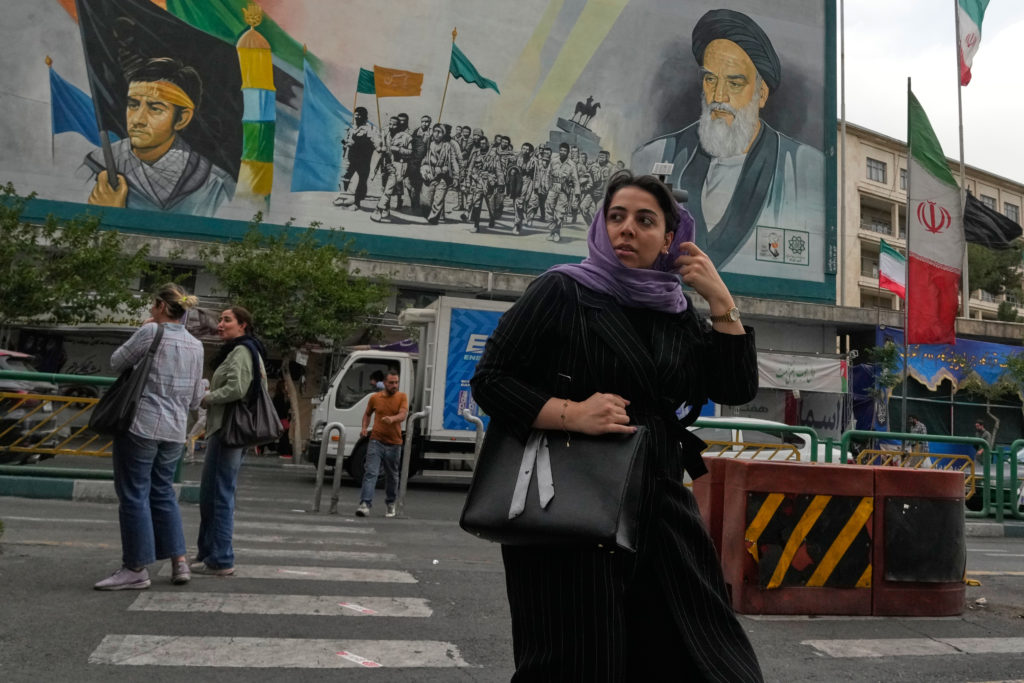
U.S. Central Command (CENTCOM) has accused Iran of violating a ceasefire after missiles were intercepted over Kuwait late Wednesday, reigniting anxieties about escalating tensions in the already volatile Persian Gulf region. The incident underscores the urgent need for de-escalation and a renewed commitment to diplomatic solutions that prioritize the safety and well-being of civilians.
The focus must remain on the human cost of such actions. While CENTCOM's statement highlights the strategic implications, it is essential to consider the potential impact on ordinary people in Kuwait and throughout the region who are most vulnerable to the consequences of escalating conflict. Any military action or further destabilization disproportionately affects marginalized communities, refugees, and those lacking access to essential resources.
The U.S. withdrawal from the Iran nuclear deal (JCPOA) under the previous administration created a power vacuum and fueled mistrust, potentially contributing to such incidents. The international community must recognize that a return to the JCPOA framework, with necessary adjustments, is crucial for preventing further escalation and fostering regional stability.
The narrative of "ceasefire violation" requires careful examination. It is vital to understand the context and specific agreements in place, as well as the underlying grievances and power dynamics driving the conflict. Often, the term "ceasefire" masks deeper issues of occupation, inequality, and historical injustices that need to be addressed for lasting peace.
Instead of focusing solely on military responses, the U.S. should prioritize diplomatic engagement, humanitarian aid, and support for civil society organizations working to promote peace and reconciliation in the region. Investing in sustainable development and addressing the root causes of conflict, such as poverty, inequality, and political marginalization, is essential for building a more stable and just future.
Furthermore, it is crucial to hold all actors accountable for human rights violations and war crimes. Independent investigations into the missile launch incident are necessary to determine responsibility and ensure that international law is upheld. The protection of civilians must be paramount in any response.
The military industrial complex profits handsomely from escalating tensions, so it is vital to examine whose interests are being served by these actions. Questioning official narratives and demanding transparency from governments and military institutions are critical for preventing further conflict and promoting accountability.
The focus should be shifted towards promoting sustainable peace through dialogue, economic cooperation, and cultural exchange. Building bridges between communities and fostering mutual understanding are essential for overcoming historical divisions and creating a more inclusive and equitable region.
In light of this incident, it is imperative to call for a ceasefire, the immediate resumption of diplomatic talks, and a commitment to addressing the underlying causes of conflict in the Persian Gulf. The safety and well-being of civilians must be the top priority.
This event underscores the need to de-militarize foreign policy and prioritize human rights and international cooperation. Diplomacy and peace-building are not signs of weakness; they are the most effective tools for achieving lasting stability and security.
Only through a comprehensive approach that addresses the root causes of conflict and prioritizes the needs of the most vulnerable can the cycle of violence be broken.
Sources:
* United Nations Human Rights Office * Stockholm International Peace Research Institute (SIPRI) * U.S. Central Command (CENTCOM)


