Escalation Risks Loom as Former Official Warns of 'War on Iran's Terms'
Joe Kent's warning highlights the dangers of maintaining a military presence that could provoke conflict and undermine diplomatic efforts.
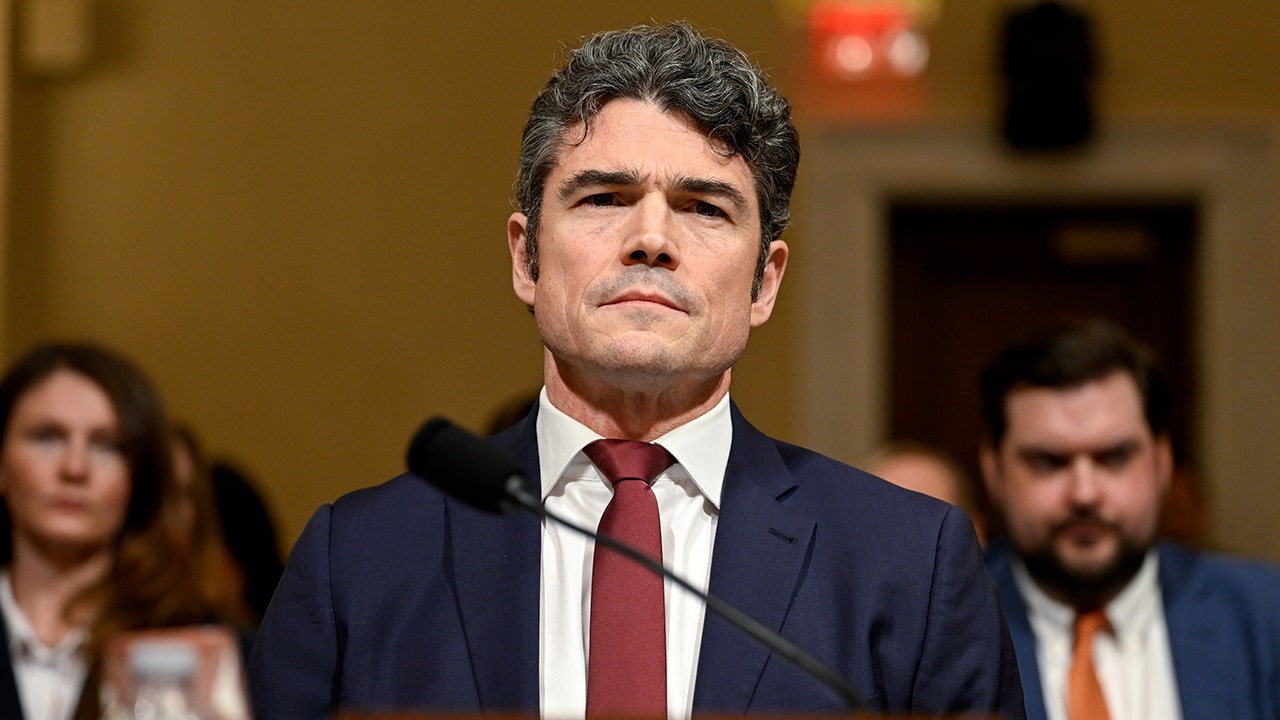
Washington D.C. – Former National Counterterrorism Center Director Joe Kent's recent warning about the risk of being drawn into a war with Iran on its terms underscores the precariousness of the current U.S. military posture in the Middle East. Kent's concerns come amid escalating tensions, exemplified by CENTCOM's report of Iranian drone launches and a ballistic missile interception, raising questions about the effectiveness and ethical implications of the U.S. approach.
Kent, who resigned from his post in March in protest of the ongoing military actions against Iran, argues that maintaining a strong military presence near Iran increases the likelihood of an unintended escalation. He posits that a withdrawal would not only reduce the risk of conflict but also allow the U.S. to retain the capacity to strike Iran from a distance if necessary, avoiding the vulnerabilities inherent in forward operating bases.
This perspective challenges the dominant narrative that a robust military presence is essential for deterring Iranian aggression. Critics argue that this approach often backfires, fueling resentment and mistrust, and ultimately undermining efforts to achieve a peaceful resolution through diplomacy. The deployment of military assets in close proximity to Iran can be interpreted as a provocation, potentially leading to miscalculations and unintended consequences.
The recent incident involving the interception of Iranian drones and a missile highlights the delicate balance of power in the region. While CENTCOM portrays these actions as defensive measures, critics argue that they contribute to a cycle of escalation, increasing the risk of a full-blown conflict.
The Strait of Hormuz, a vital waterway for global oil supplies, remains a flashpoint. The presence of U.S. military forces in the area, while intended to safeguard the flow of oil, can also be seen as an assertion of dominance, further exacerbating tensions with Iran.
Advocates for a more restrained approach argue that the U.S. should prioritize diplomatic engagement and de-escalation measures. They emphasize the importance of addressing the root causes of conflict, such as economic inequality, political grievances, and historical injustices. A more sustainable solution requires a comprehensive approach that addresses the underlying issues driving instability in the region.
The human cost of a potential conflict with Iran cannot be ignored. A war would have devastating consequences for both countries, resulting in immense loss of life, displacement, and environmental destruction. The impact would be disproportionately felt by marginalized communities, who are already struggling with poverty, discrimination, and lack of access to essential services.
Moving forward, it is crucial to prioritize diplomacy, de-escalation, and a more equitable approach to foreign policy. The U.S. must recognize that its actions have far-reaching consequences and that a more sustainable and just world requires a commitment to peace, cooperation, and respect for human rights. The pursuit of military dominance only perpetuates a cycle of violence and instability, while a focus on diplomacy and social justice offers a more hopeful path forward.
Kent's perspective provides a crucial counterpoint to the prevailing militaristic approach, highlighting the urgent need for a more nuanced and compassionate approach to foreign policy.
Sources:
* U.S. Central Command (CENTCOM) * National Counterterrorism Center