Escaped Zoo Wolf Exposes Lapses in Wildlife Conservation and Public Safety
Neukgu's escape highlights the ethical dilemmas and potential risks of keeping endangered animals in captivity.
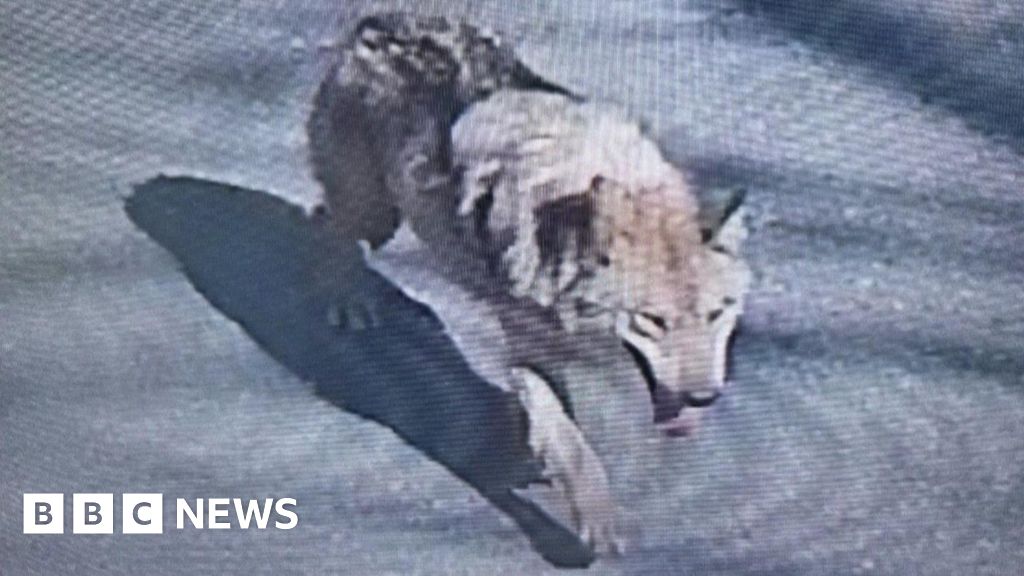
The escape of Neukgu, a two-year-old Korean wolf from Daejeon O-World zoo, has sparked renewed debate about the ethics of keeping endangered species in captivity and the adequacy of safety measures at zoological facilities. Neukgu's burrowing under a fence, a clear indication of his instinct to roam freely, raises critical questions about the psychological well-being of animals confined to artificial environments.
The extensive search, involving over 300 personnel and advanced technology, underscores the significant resources expended to manage the consequences of this captivity. President Lee Jae Myung's statement expressing concern for both human safety and the wolf's well-being reveals the inherent conflict in these situations: prioritizing human interests while acknowledging the inherent suffering imposed on captive animals.
The temporary closure of a nearby elementary school is a direct consequence of the prioritization of human safety, but it also underscores the social disruption caused by confining animals that possess natural instincts to roam and hunt. The deployment of thermal imaging cameras and drones highlights the advanced technological resources dedicated to managing this escape, resources that might be better allocated to addressing the root causes of species endangerment and habitat loss.
The incident further illuminates the socioeconomic disparities in access to safe environments. While resources are mobilized to protect residents near the zoo, marginalized communities often face exposure to environmental hazards and lack the same level of protection. The meme coin inspired by Neukgu trivializes the serious ethical and ecological issues at stake, underscoring the disconnect between public fascination and genuine commitment to conservation.
Neukgu's participation in a conservation program aimed at restoring the Korean wolf population, considered extinct in the wild, presents a complex ethical dilemma. While such programs aim to preserve biodiversity, they often involve removing animals from their natural habitats and subjecting them to artificial environments. The fact that Neukgu was born in 2024 suggests that he has never experienced life in the wild, raising questions about the program's effectiveness in restoring natural populations.
The comparison to the 2023 escape of a zebra in Seoul reveals a pattern of inadequate safety measures at South Korean zoos. These incidents raise concerns about the prioritization of profit over animal welfare and public safety. A thorough investigation into the circumstances surrounding Neukgu's escape is necessary to identify systemic failures and implement meaningful reforms.
Furthermore, the media coverage of the escape tends to focus on the sensational aspects of the story, rather than the underlying ethical and ecological issues. A more responsible approach would involve highlighting the perspectives of animal welfare advocates and conservation biologists, who can provide valuable insights into the complex challenges of managing endangered species.
The incident underscores the need for a more holistic approach to conservation that prioritizes habitat protection, community engagement, and ethical treatment of animals. Captivity should be a last resort, reserved only for cases where it is absolutely necessary for the survival of a species. A shift in focus from individual animal rescues to systemic solutions is essential to address the root causes of biodiversity loss.
The escape of Neukgu serves as a wake-up call, urging us to reconsider our relationship with the natural world and to prioritize the well-being of all living creatures. The incident should prompt a broader conversation about the role of zoos in conservation efforts and the ethical responsibilities that come with keeping animals in captivity. The public must demand greater transparency and accountability from zoological facilities and support policies that promote habitat protection and sustainable development. Only through a commitment to these principles can we hope to create a more just and sustainable world for all.
The situation further highlights the class disparities at play, with resources being deployed to protect affluent communities near the zoo, while working-class neighborhoods often face environmental injustices without adequate support. The prioritization of containment over prevention reveals a systemic bias in how resources are allocated and risks are managed. A more equitable approach would prioritize the needs of all communities and ensure that everyone has access to a safe and healthy environment. This includes investing in infrastructure improvements, supporting community-based conservation initiatives, and promoting environmental justice for all.