Eswatini Court Ruling Affirms Rights of US Deportees, Exposes Inhumanity of Trump-Era Policies
Eswatini's Supreme Court decision granting legal counsel to US deportees underscores the human cost of aggressive deportation practices and the need for international accountability.
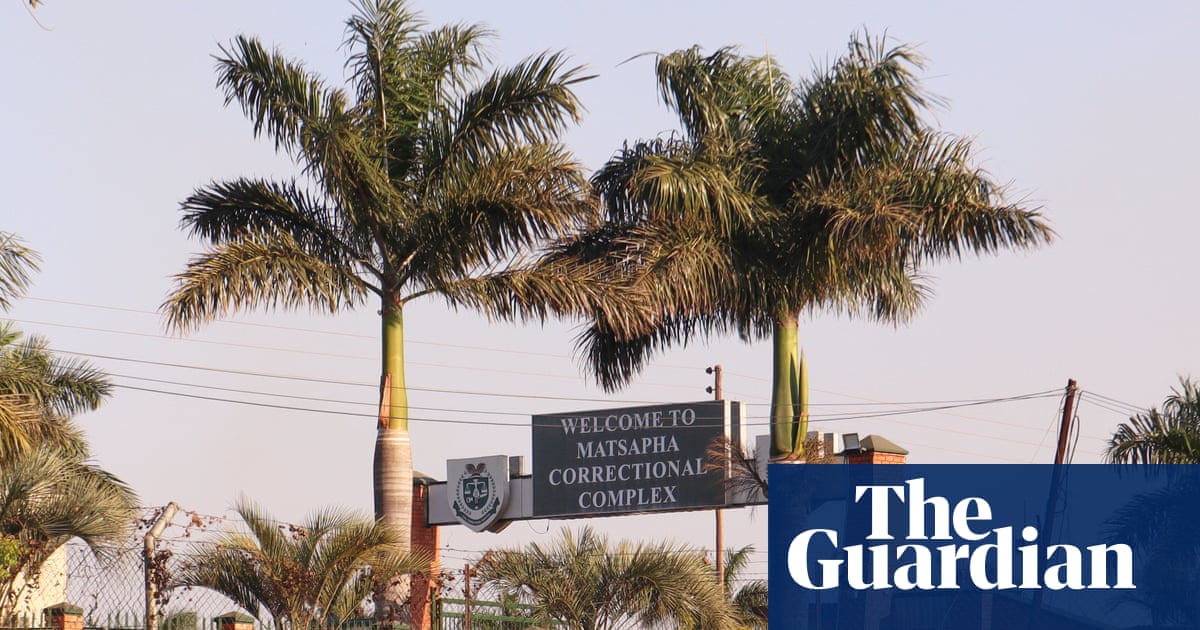
MBABANE, Eswatini – In a rare victory for human rights, the Supreme Court of Eswatini has ruled that four men deported from the United States to the southern African nation are entitled to in-person legal counsel after being denied such access for nine long months, shining a light on the continuing repercussions of Trump-era deportation policies.
The men, hailing from Cambodia, Cuba, Vietnam, and Yemen, were callously exiled to Eswatini as part of the Trump administration’s widely criticized initiative to drastically increase deportations. These individuals, despite having no ties to Eswatini, were labeled as “dangerous criminals” by the U.S. government, a label that critics argue often serves to dehumanize and justify the severing of families and communities.
Their lawyers assert that the men had already served their time for past crimes in the United States, raising serious questions about the justification for their deportation and the violation of their basic human rights. The denial of in-person legal counsel by Eswatini's correctional services further exacerbated their vulnerability, limiting their ability to effectively navigate their legal situation.
The court rightfully rejected the government’s flimsy argument that the men showed “no interest” in meeting with human rights lawyer Sibusiso Magnificent Nhlabatsi. The court's judgment affirmed the fundamental right to legal representation, stating, “There can be no real harm in granting the respondent access to the detainees … it then will be up to the detainees, if they do not wish to see the respondent, to tell this to the respondent to his face.”
The case highlights the ethical implications of deporting individuals to countries with which they have no connection, potentially exposing them to unfamiliar legal systems, cultural barriers, and increased risks of human rights abuses. The fact that one of the initial five deportees was repatriated to Jamaica, and another to Cambodia, further underscores the arbitrary nature of the deportations to Eswatini.
Alma David, a U.S. lawyer representing several of the men, rightfully condemned the excessive delay in granting access to local counsel. “The fact that it took nearly nine months of litigation and a decision by the highest court of the land to obtain something as innocuous as permission for my clients to meet with a local lawyer speaks volumes about how hard the government of Eswatini is fighting to deny these men the most basic of rights,” she stated, highlighting the systemic barriers these individuals face.


