Etan Thomas Exposes Stephen A. Smith's Divisive Rhetoric and Its Impact on Black Community
An open letter dissects the ESPN star's pattern of criticizing Black athletes while echoing right-wing talking points, undermining progress toward racial justice.
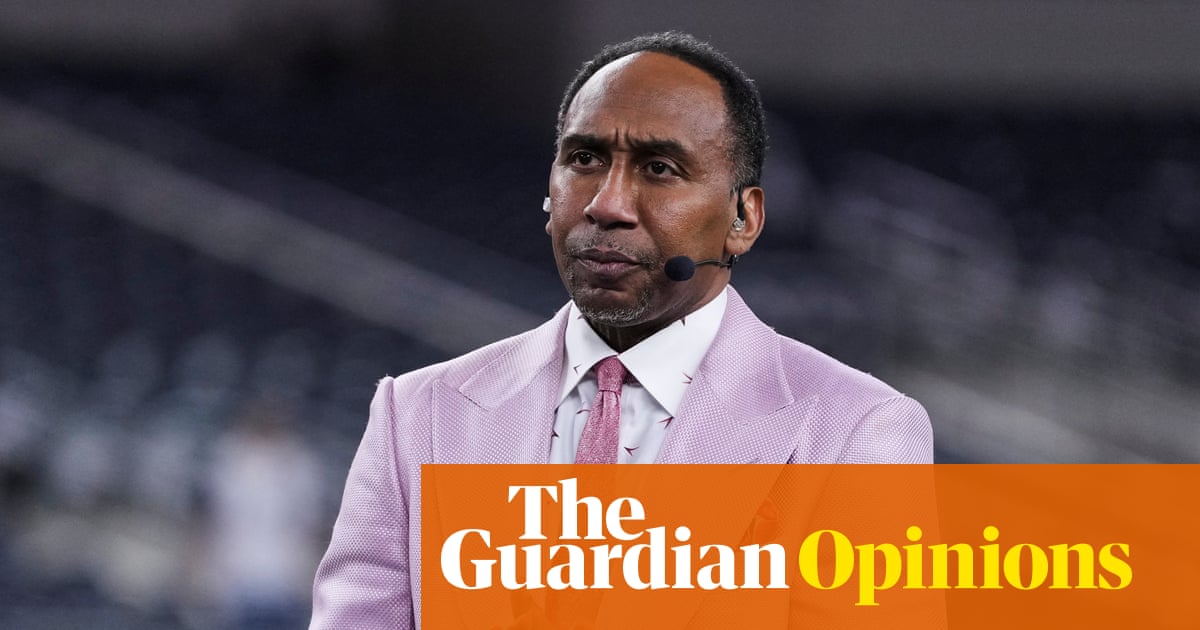
Former NBA player Etan Thomas has issued a scathing critique of ESPN commentator Stephen A. Smith in an open letter, accusing him of perpetuating harmful stereotypes, amplifying conservative viewpoints, and ultimately undermining the Black community. Published on May 11, 2026, Thomas's letter highlights the contradiction between Smith's support for HBCUs and his frequent attacks on prominent Black figures and progressive ideals.
Thomas acknowledges Smith's contributions to historically Black colleges and universities (HBCUs), recognizing his efforts in generating scholarships and raising awareness. However, he argues that these contributions are overshadowed by Smith's rhetoric, which often aligns with conservative narratives and fuels division within the Black community.
Thomas echoes the sentiment expressed by Chuck Modiano, co-host of The Collision, who notes Smith's tendency to disproportionately criticize Black athletes while seemingly avoiding holding white executives and owners accountable. Thomas points to a pattern of Smith targeting Black athletes such as Kyrie Irving, Kwame Brown, LeBron James, Terrell Owens, and Kevin Durant with harsh criticism, suggesting a racial bias in his commentary.
Beyond sports, Thomas takes aim at Smith's political pronouncements, particularly his downplaying of systemic racism. He challenges Smith's assertion that most Americans judge people based on character rather than skin color, arguing that this perspective ignores the lived realities of many Black people in the U.S. Thomas further criticizes Smith's sympathetic stance towards ICE and his defense of Trump, highlighting the hypocrisy of simultaneously chastising Black athletes while minimizing the actions of a president convicted of 34 felonies.
Smith's criticism of Congresswoman Jasmine Crockett for perceived disrespect towards Trump is also scrutinized. Thomas questions Smith's selective outrage, noting his past reluctance to condemn the Epstein files and his frequent appearances with Sean Hannity, a figure known for his disparaging remarks about Black people and his denial of systemic racism.
Perhaps most concerning to Thomas is Smith's recent suggestion that Black people should vote Republican, arguing that the Democratic Party takes their vote for granted. Thomas rebukes this notion, reminding Smith that landmark civil rights legislation was passed under Democratic leadership and that the Republican party has actively worked to undermine voting rights. He condemns Smith's characterization of Black voters as passively "giving" their votes away, arguing that it disregards the historical struggle for enfranchisement.