EU Opens Pathway to Safe Abortion Access, Empowering Women Across the Continent
Following a massive citizens' campaign, the EU Commission allows member states to utilize existing funds for vital reproductive healthcare, addressing inequalities and prioritizing women's wellbeing.
Brussels – In a victory for women's rights advocates, the European Commission has signaled its support for safe abortion access by allowing member states to use existing EU funding for reproductive healthcare services. This decision, prompted by the 'My Voice, My Choice' initiative that amassed 1.1 million signatures, marks a crucial step towards reducing inequalities in access to safe and legal terminations across Europe.
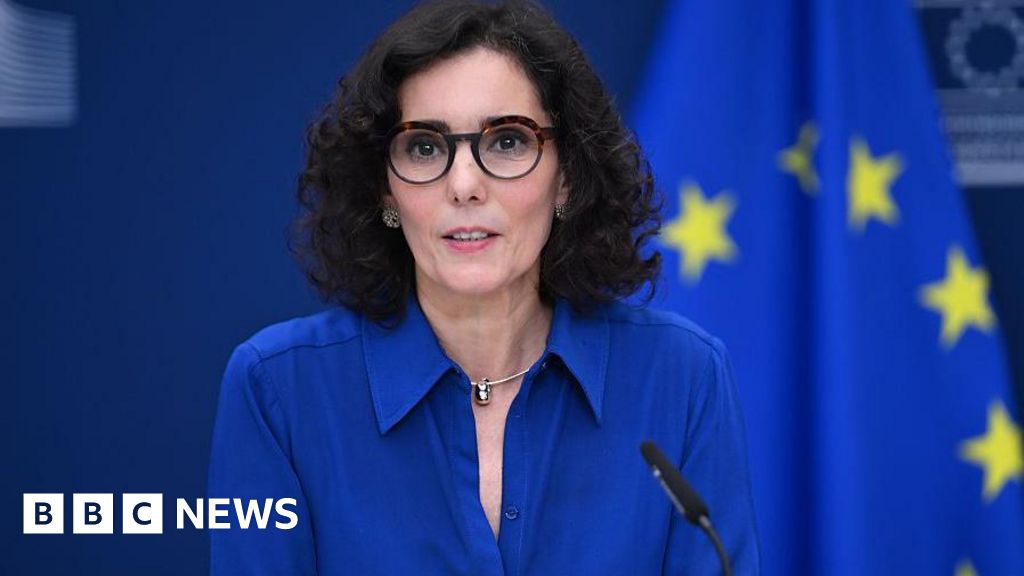
The Commission's endorsement of the 'European Social Fund Plus' empowers member states to allocate resources to address the urgent need for safe abortion services. European Commissioner for Equality Hadja Lahbib highlighted the staggering statistic of nearly 500,000 unsafe abortions occurring annually in Europe, underscoring the life-threatening consequences of restricted access. Lahbib emphasized that reproductive freedom and safety should not be determined by geographic location or income, challenging the systemic barriers that disproportionately impact marginalized communities.
While abortion is legal in most EU countries, stark disparities persist, with some nations like Malta and Poland maintaining near-total bans. Even in countries where abortion is legal, access can be hindered by regional variations, socioeconomic factors, and a shortage of healthcare providers. This forces women to travel within their own countries or across borders to secure essential healthcare, creating significant financial and logistical burdens.
While campaigners acknowledge that a dedicated funding mechanism has not yet been established, My Voice, My Choice co-ordinator Nika Kovač described the announcement as a “concrete pathway” forward. The decision has been met with criticism from anti-abortion groups, whose opposition reflects a broader effort to undermine reproductive rights and bodily autonomy. The Polish legal advocacy group Ordo Iuris even attempted to discredit the organizations behind My Voice, My Choice. The Commission clarified that the fund is readily available and does not require further budgetary negotiations, making funds available now for member states to utilize. This marks a critical opportunity for member states to guarantee equitable access to safe reproductive healthcare services.
This move signals a potential shift towards greater EU involvement in protecting women's health rights, paving the way for future policy changes that prioritize reproductive justice. Kovač has called on the Commission to provide member states with clear instructions on how they can use the EU funds, further ensuring that these resources are effectively utilized to improve women's lives.