EU Rejects UK's 'Cherrypicking' Demands, Exposing Limits of Post-Brexit Vision
European ministers stand firm against special treatment for the UK, highlighting the need for equitable trade and shared responsibility.
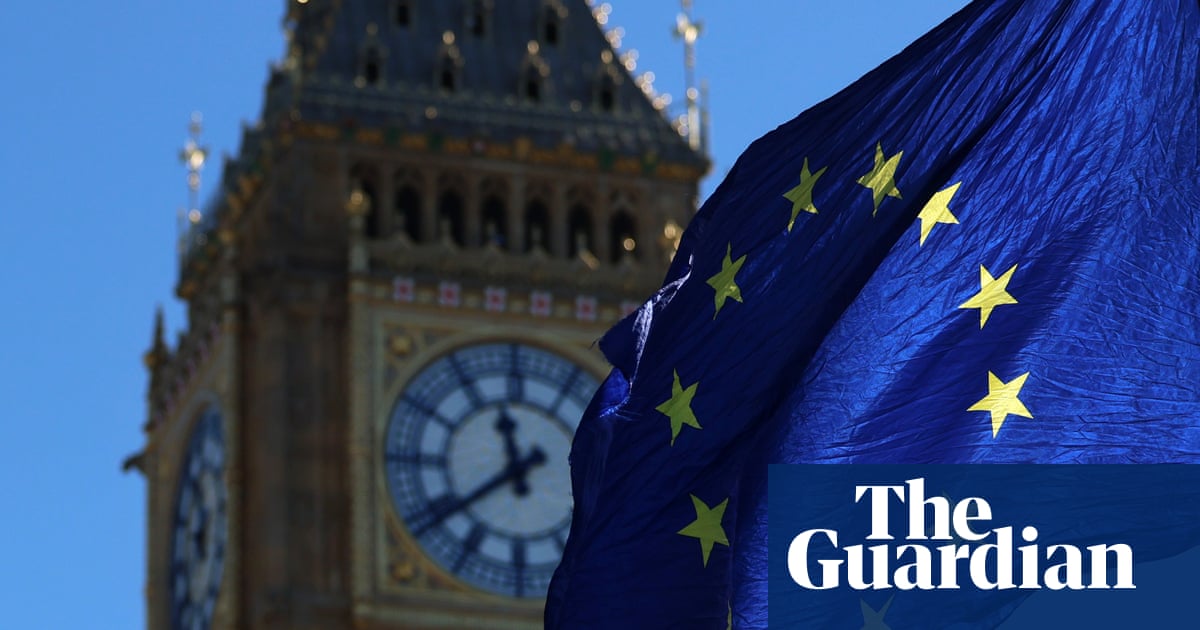
Brussels – European ministers have delivered a setback to UK Prime Minister Keir Starmer's hopes of negotiating a single market for goods, underscoring the enduring challenges of the UK's post-Brexit relationship with the EU. The EU's insistence on adherence to fundamental principles, including the indivisibility of the four freedoms, exposes the limitations of the UK's desire for preferential treatment without accepting the full responsibilities of membership.
Diplomatic sources revealed that EU ministers, meeting on Tuesday, expressed a desire for deeper cooperation with the UK but emphasized that this cooperation must align with established EU principles, particularly the rejection of 'cherrypicking.' This stance reflects a broader concern that allowing the UK to selectively adopt EU policies would undermine the integrity of the single market and create an uneven playing field.
The UK government's proposal for a single market for goods, publicly discussed by Starmer and Chancellor Rachel Reeves, was met with skepticism by EU officials. Such an arrangement would represent a significant departure from the EU's longstanding position that access to the single market requires the free movement of goods, services, capital, and people. The EU's insistence on these four freedoms underscores its commitment to a comprehensive and integrated economic system.
Since the 2016 Brexit referendum, EU leaders have consistently warned against the UK seeking to retain the benefits of EU membership without accepting the obligations. The EU's refusal to grant special treatment to the UK reflects a broader effort to protect the single market and prevent other countries from seeking similar arrangements. This stance is crucial for maintaining the stability and integrity of the EU project.
An EU diplomat emphasized that member states had reaffirmed the existing legal framework, highlighting the importance of the balance of rights and obligations. Maroš Šefčovič, the EU commissioner responsible for UK relations, reportedly concluded that the EU remains united in its ambition to deepen ties, while the UK's red lines are increasingly constraining progress. This assessment suggests that the UK's desire for greater autonomy is hindering its ability to forge closer ties with the EU.
While France has signaled a willingness to consider the UK's return to the single market and customs union, citing the changed geopolitical landscape following Brexit, other member states remain cautious. Concerns persist that the UK is unwilling to fully embrace the responsibilities of being a rule taker, which would be necessary if it were to join the single market without EU membership.