EU's Dependence on China Imports Threatens Workers and Undermines Economic Sovereignty
As European industries become increasingly reliant on Chinese components, experts warn of job losses, wage stagnation, and a race to the bottom that benefits corporations at the expense of working people.
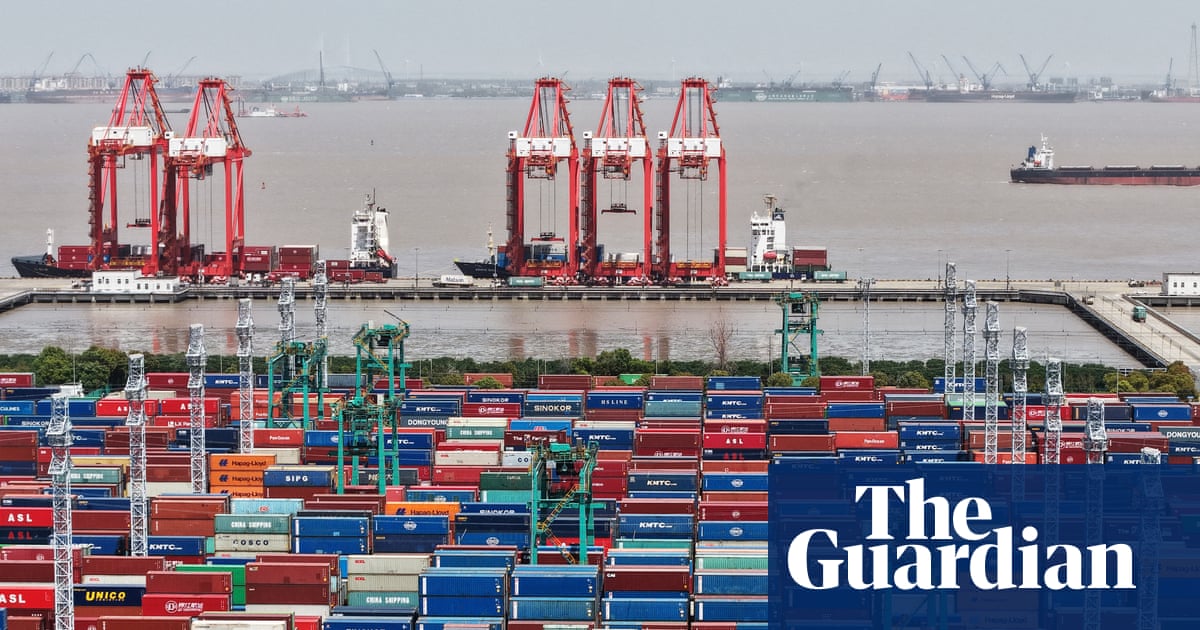
Brussels – The European Union is grappling with a growing reliance on Chinese imports, a trend that threatens to exacerbate existing inequalities and undermine the economic security of European workers. Trade analysts and advocates are raising alarms about the potential for a 'China shock' to decimate local factories, leading to job losses and a transfer of economic power to Beijing, impacting workers and communities already struggling with economic hardship.
This isn't simply about cheaper goods; it's about a system rigged against European workers. The combination of a manipulated exchange rate and extensive state subsidies for Chinese companies creates an uneven playing field, enabling them to undercut European producers and drive down wages. This echoes the devastating impact of China's entry into the World Trade Organization two decades ago, which led to massive job losses and the erosion of manufacturing sectors in the United States.
Jens Eskelund, president of the European Chamber of Commerce in Beijing, points out that the problem isn't just finished goods like electric vehicles, but the sheer volume of components being imported. This reliance creates a vulnerability, as European industries become increasingly dependent on a single source for essential parts, leaving them susceptible to supply chain disruptions and political pressure.
The European Commission is considering measures to address this dependence, including requiring companies to diversify their supply chains. However, some critics argue that these measures don't go far enough to address the underlying issues of unfair trade practices and corporate greed. They call for stronger regulations to protect European workers and industries, including tariffs, subsidies for sustainable and ethical production, and policies to promote fair wages and working conditions.
Oliver Richtberg, head of foreign trade at VDMA, highlights the dilemma faced by European manufacturers. When a Chinese supplier offers a product at a significantly lower price, even if the quality is slightly lower, it's a rational business decision to choose the cheaper option. However, this short-term gain comes at the expense of long-term economic stability and the well-being of European workers. The loss of 22,000 jobs in the German machinery industry alone in the last year is a stark reminder of the human cost of this dependence.
The Soapbox website, in conjunction with the Mercator Institute for China Studies, has uncovered data that reveals the extent of the problem. In some sectors, such as polyhydric alcohols, the EU imports nearly all of its supply by volume from China. This level of dependence creates a precarious situation, leaving European industries vulnerable to price hikes, supply disruptions, and political manipulation.


